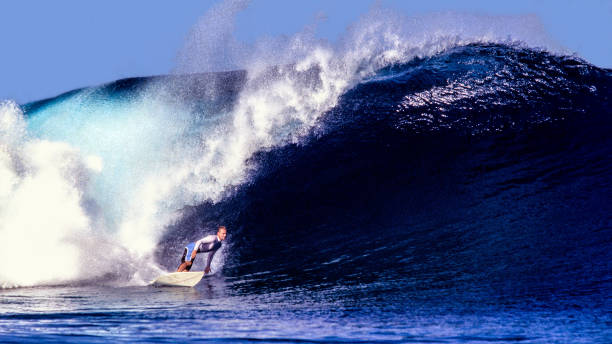
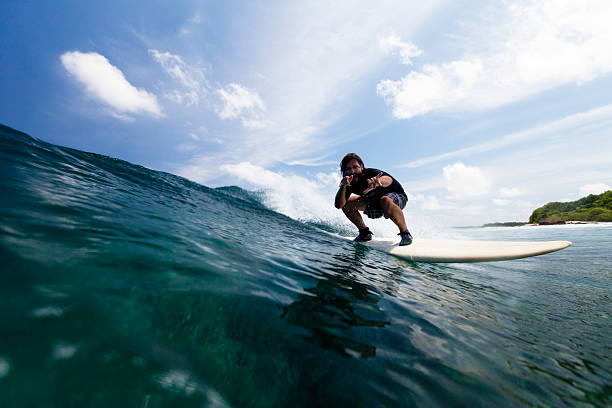
There’s a stoke that hits different when you paddle out on a Tuesday in late May, or maybe a random Wednesday in early October. The parking lot isn’t a circus, the water’s holding that perfect warmth, and the sets roll in with a sort of lazy confidence. That’s the magic of the shoulder season. It’s the sweet spot between the frantic circus of peak season and the flat, sleepy lull of the off-season. For any surfer serious about chasing the endless summer, knowing when to hit that slipstream is the ultimate hack. It’s not just about getting waves; it’s about getting the right waves with the right crew, or lack thereof.
The classic mistake is thinking you need to be in Indo in July or Hawaii in November to score. Sure, you’ll see the photos, but you’ll also be sharing the ocean with every traveling surfer and their cousin. The lineup turns into a parking lot, the swell is often blown out by trades, and the whole vibe gets a little heavy. The real nectar is in the transitional months. These are the weeks when the planet is shifting gears, the swell windows are inconsistent, and most tourists are still tied to their day jobs. This is when a fickle spot like Jeffrey’s Bay in South Africa, which is a zoo from June to August, can offer a truly magical, empty session in late April or early September. The water is still screaming, the offshore wind is more reliable, and the Indian Ocean swell lines are just starting to organize or winding down. It’s pure, focused energy.
Let’s talk about the Pacific. The Goldilocks window for mainland Mexico and Central America is the spring, think April into early June. The winter north swells are fading, but the first whispers of southern hemisphere groundswells are starting to march up the coast. You miss the heavy, slabby, take-your-breath-away power of winter, but you get sweeping, lined-up point breaks that connect for a hundred yards. The wind is generally lighter, the sun is higher, and the crowds that flocked to Puerto Escondido and Pavones have scattered. You get a wave you can actually sit on the face of and carve, without someone dropping in on your shoulder. It’s a trade-up, a trade for quality of ride over raw power.
For the southern hemi, think the reverse. A spot like Raglan in New Zealand or the classic rights of Australia’s Gold Coast can be dreamy in late February or March. The water’s at its peak warmth, the westerly winds are more settled, and the cyclone swell activity from the Coral Sea can send in some seriously fun, organized lines. You’re dodging the summer holiday crowds and the winter storms. It’s the perfect balance of a light wetsuit or just boardies, with a reliable, playful swell.
Even the North Shore of Oahu has a fringe. Everyone thinks December is the month, and it is for spectacle. But if you want a taste of that power without the media circus, early October when the first real north swell of the season pulses through, or late March when the trades die and the last of the big groundswells passes through, can offer some surprisingly uncrowded, world-class waves. The water’s still warm, the vibes are mellow, and the locals are more relaxed because the pressure is off. It’s like getting a backstage pass to a legendary show.
The bottom line, brah, is that chasing the sun isn’t always about chasing the peak. It’s about catching the wave of the season at its most accessible moment. The planet is a fickle mistress; she’s not going to hand you perfect, empty barrels on a silver platter during the peak months. You have to read the forecast with a different eye. Look for the lulls, the transitions, the moments when the ocean is just waking up or falling asleep. That’s where the magic lives. That’s where you find the endless summer of your own, a personal, quiet summer where the only thing you’re competing with is the swell itself. So ditch the peak season agenda, pack a board for the shoulder, and go find your own Goldilocks window. The stoke is waiting.