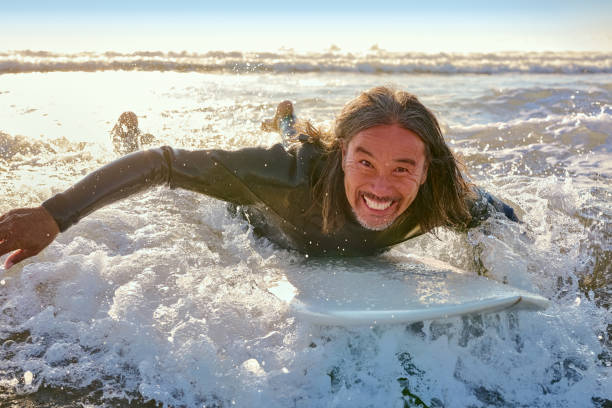
There’s a moment, right after you’ve tucked into a clean little barrel or finally stuck that carve you’ve been chasing all session, when your body talks to you. Not in words, but in that deep, satisfied hum that says, “Yeah, that was worth it.” And then, not long after, your stomach chimes in with its own request. The thing about surfing is it burns through everything you’ve got—glycogen, electrolytes, patience, and sometimes your dignity when you take a closeout to the face. That’s where the magic of a good poke bowl slides in, no pop-up required.
Poke is the perfect post-session meal, straight from the islands where the waves have that long, rolling power. It’s raw fish, cubed up fresh, usually ahi tuna, but sometimes salmon or even octopus if you’re feeling adventurous. Toss it over a bed of sushi rice or brown rice, then stack on the goodies: creamy avocado, crunchy cucumber, sweet mango, maybe some edamame, and a sprinkle of sesame seeds and seaweed. Then you douse it with a little shoyu or a spicy mayo kick. Every bite is a balance of umami, fat, and carbs that rebuilds your muscles and recharges your batteries better than any protein shake ever could.
Why does this matter for a surfer? Because you’re not just a person who paddles out for fun. You’re an athlete pushing your body through cold water, long holds, and explosive bursts of speed. When you’re out in the lineup, your muscles are screaming for glucose. Your brain needs sodium and potassium to keep your reflexes sharp enough to read that next set wave. A poke bowl delivers those essentials in a way that feels like a treat, not a chore. The rice gives you slow-release energy. The fish packs high-quality protein and omega-3 fatty acids that fight inflammation from all that shoulder work. Avocado brings healthy fats that help your joints stay loose when you’re duck-diving through the foam. And the seaweed? That’s a direct line to iodine and minerals that support your thyroid and keep your metabolism humming.
I remember one trip down the coast, chasing a south swell that had everyone buzzing. We pulled into a little beach town with nothing but a taco stand and a surf shop. After three hours in the water, I was wrecked. Someone pointed me to a shack near the harbor that made poke bowls the old way, with fresh-caught ono and a house-made sesame sauce. That bowl was like a reset button. My energy came back, my mind cleared, and by the time the tide changed, I was ready for another session. That’s the kind of fuel that keeps the stoke alive.
Now, not every surf spot has a poke joint around the corner. Sometimes you’re camping out at a remote beach with a cooler and a prayer. But you can build your own version. Cook up some rice ahead of time, pack a can of sustainable tuna or pre-cooked salmon, bring a ripe avocado and a lemon. Toss in some nori strips for that ocean flavor. It’s not fancy, but it works. The key is the combination of protein, healthy fat, and carbs that doesn’t sit heavy in your gut when you paddle back out. You don’t want a brick in your stomach when you’re trying to get through the shore break.
Some surfers swear by smoothies or energy bars, and sure, those have their place. But there’s something about eating real food that connects you to the ocean in a deeper way. Poke is a gift from the sea, prepared with respect and eaten with gratitude. It’s humble fuel that punches above its weight. Next time you’re stripping off your wetsuit and your hands are shaking from fatigue, skip the greasy burger and find yourself a bowl of poke. Your muscles will thank you, your soul will find its rhythm, and you’ll be back in the water before the sun drops. That’s the endless summer way.