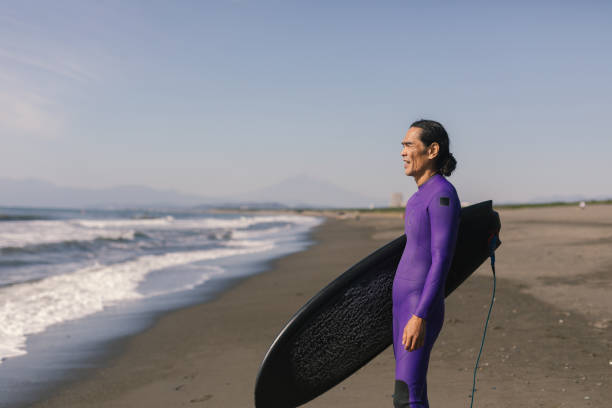
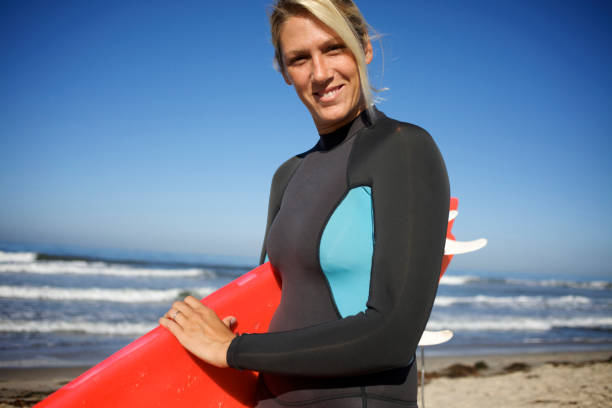
Let’s be real. For most of us, surfing starts as a purely selfish pursuit. It’s about that personal connection, the rush of dropping in, the quiet peace of a morning glass-off. It’s you, your board, and the ocean. But somewhere along the line, between dawn patrols and sunset sessions, a deeper truth often washes in. We realize the lineup is a community, and that the ocean giving us so much joy needs us to give back. That’s where surfing for a cause comes in—it’s the natural evolution from simply riding waves to using the sport’s powerful spirit to make a real difference.
This isn’t about grandstanding or losing the core vibe. It’s the opposite. It’s about the surf culture’s inherent sense of brotherhood and sisterhood extending beyond the break. You see it in the local legends who organize beach clean-ups after a big swell brings in a tide of plastic. They’re not doing it for clout; they’re doing it because that’s their backyard, their playground. They’ll rally the groms and the old salts alike, trash bags in hand, because protecting the break is as fundamental as knowing how to duck dive. That’s grassroots. That’s cause.
The movement scales up, too. Think about the pros who’ve leveraged their platform. They’re not just posting barrel clips; they’re running foundations for ocean conservation, getting into the nitty-gritty of policy to protect marine sanctuaries. Or the shapers and brands dedicating a line of boards or gear where a percentage goes directly to cleaning up coastlines or funding access programs. You’re not just buying a new wetsuit; you’re kicking into the kitty for the ocean itself. That’s putting your money where your mouth is, in a very real way.
Then there’s the power of pure stoke as a tool for healing. This is some of the most powerful work out there. Non-profits worldwide are taking kids battling illness, veterans dealing with trauma, or youth from tough neighborhoods into the water. They’re not promising to make them Kelly Slater. They’re using the therapeutic nature of the ocean—the focus required, the triumph of standing up, the sheer joy of it—to provide a reset. Watching someone catch their first wave, the weight of the world momentarily washed off their shoulders, is as heavy and meaningful as any perfect ten-point ride. That’s surfing’s magic, harnessed.
The travel side of chasing endless summer gets a purpose-driven twist, too. It’s about being a conscious surfer. It means choosing the eco-friendly surf camp that supports the local village, respecting the customs of the place you’re visiting, and understanding you’re a guest in that lineup. It’s packing out more than you packed in and supporting businesses that protect the very waves they’re selling access to. Sustainable stoke is the only kind that lasts.
So, what’s the bottom line? Surfing for a cause isn’t a separate scene. It’s woven into the fabric of the modern surfing lifestyle. It’s the understanding that our passion is tied to a fragile, giving environment and a global community. It’s the local boardriders club hosting a contest to fund a new community lifeguard tower. It’s the surf shop collecting old boards to send to a fledgling surf community abroad. It’s simply looking out for each other and for the ocean.
Because in the end, the vibe in the water reflects the effort out of the water. Keeping it clean, keeping it positive, and keeping it accessible—that’s how the culture stays strong. That’s how we ensure there are always waves, and always good people to share them with. So next time you paddle out, think about how you can leave it better than you found it. That’s the ultimate surfer’s code.