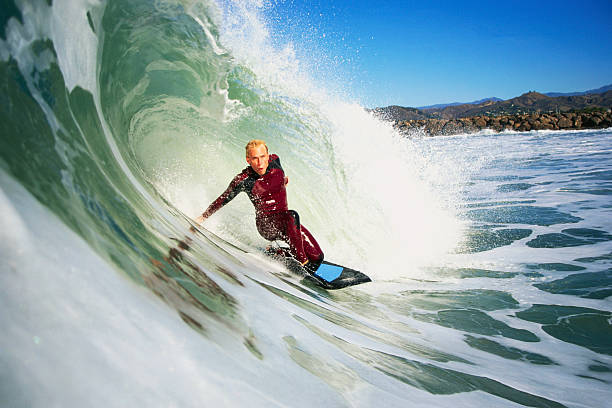
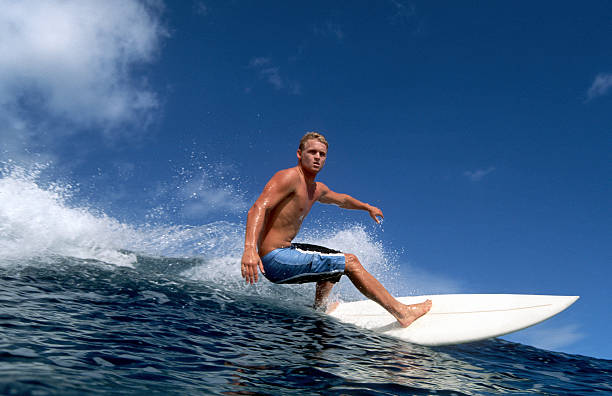
There is a certain kind of silence that only exists in the hours before the sun cracks the horizon. It is a sacred quiet, broken only by the distant hiss of a set wave folding over itself in the dark. For a certain breed of surfer, this is not a wake-up call born of obligation. It is a pulling, a gravitational force that tugs you out of a warm bed and into a cold car before the coffee has even had time to work its magic. This is the dawn patrol, and it is the single greatest testament to surfing as a lifestyle choice rather than a weekend hobby.
When you commit to the dawn patrol, you are making a trade. You are swapping a few extra hours of deep sleep for a front row seat to the best show on earth. The commitment is not logistical; it is spiritual. It is the quiet understanding that the ocean does not care about your work schedule or your social commitments. The tide is not going to wait for you to hit snooze. So you don’t hit snooze. You check the buoy readings the night before. You have your wetsuit hanging in the bathroom, always dry, always ready. You pack your gear with the muscle memory of a ritual that has been performed for decades, because in many ways, it has.
The drive to the break is a meditative trance. You are running on instinct. The streetlights flicker past, and the world feels like it belongs to you and the few other headlights cutting through the pre-dawn mist. You pull into the lot, and you already know the wind direction without checking a phone. You can feel it in the way the air moves against your skin. The offshore breeze is glassing the surface, and your heart rate picks up because you know what that means: clean lines, open faces, and the promise of a session that can set the tone for your entire day.
There is a brotherhood to the dawn patrol lineup. You nod to the same faces, the same silhouettes bobbing in the grey water. They are the core. The people who understand that a sunrise session is not a luxury; it is a necessary reset for the soul. Nobody is talking much. The focus is on the horizon, watching for that lump of dark water that will eventually rise into a wall of blue. When you catch that first wave of the morning, the one where the water is still dark and the spray is cold on your face, you remember why you do this. It is a release valve. Every paddle out is a letting go of the noise from yesterday and a preparation for the noise of today.
Choosing the dawn patrol as a lifestyle is choosing to live in tune with the elements. You learn to read the sky, the wind, the swell direction. You become hyper-aware of the phases of the moon and their effect on the tides. Your social life shifts. Late nights out become rare because you know the price you will pay when your alarm screams at 4:45 AM. But the trade-off is profound. You get a daily dose of humility and awe before most people have even opened their eyes. You get to watch the sun paint the water in shades of gold and pink, and you get to ride its energy before heading off to do whatever it is that pays the bills.
The real secret of the dawn patrol is that it makes everything else easier. The stressful meeting at work? It feels smaller after you have been held down by a rogue set and come up gasping for air, laughing at the sheer power of the ocean. The traffic on the drive home? It is just noise in the rearview mirror of a day that already had its peak. Living the surfing life means that your peak moment is not the weekend. It is not the Friday happy hour. It is the moment right now, in the cold water, when you are perfectly present and perfectly alive. That is the stoke. That is the endless summer lived one early morning at a time.