Surf Gear Essentials

•

Live Surf Cams

Surfline Live is a 24/7 glimpse into the world’s surf.

This stream moves through Surfline’s global camera network, showing spots where it’s daylight and rated Fair or better.

What’s The Deal With…?

Surf Gear Essentials

Because your board is precious cargo! A solid rack system (like soft racks or permanent bars) keeps your sled secure on the highway, even in crosswinds. You want strong straps without metal buckles that can ding your board. Always use a safety leash from board to car as a backup. There’s no worse feeling in the pit of your stomach than seeing your board fly off the roof in the rearview. Tie it down proper!

Ditch the rental foamie, brah! Your first real investment should be a proper surfboard that matches your skill level and local waves. But right before that, grab a good leash. It’s your lifeline, keeping your stick from becoming a runaway torpedo for others in the lineup. Think of it as respect and safety, all wrapped up in a urethane cord. After that, focus on a suitable board—something with volume and stability to help you learn. A comfy wetsuit for your local water temp is key too; you can’t surf if you’re freezing your tail off!

Don’t cheap out here! Length should roughly match your board length. Key features include a strong swivel (to prevent tangling), a comfortable calf strap with neoprene backing, and a durable cord. Thicker cords (9mm+) are for bigger waves. The leash is your lifeline to your stick; a snapped leash means a long swim and a potential hazard for others in the lineup. Check it for wear and tear regularly.

Surf Gear Essentials

Start with one good daily driver that works in most local conditions—often a funboard or a beefier shortboard. As you get more dialed in, you’ll want to add specialized sticks. A classic three-board quiver might be: a performance shortboard for good days, a step-up for bigger waves, and a fish or small-wave board for the weak days. It’s about having the right tool for the job, so you’re never skunked.

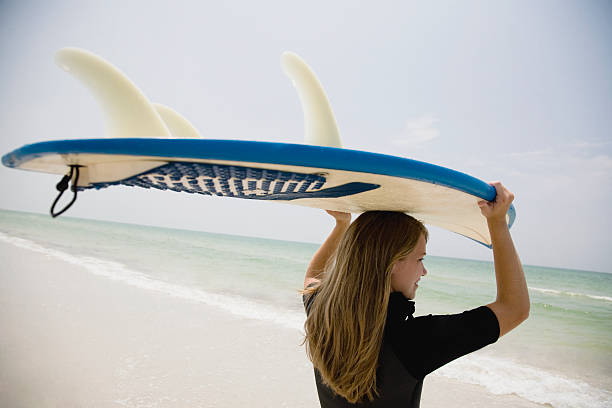
Fins are your steering and control system. Single fins offer smooth, drawn-out turns on longboards. Thruster setups (three fins) are the standard for drive and control. Quads (four fins) give you insane speed and loose feel. Consider your style: are you a powerful carver or a speed demon? Also, match the fin material and flex to your weight. Swapping fins can totally change the feel of your board, so experiment!

Wax creates traction so you don’t slip off. It’s all about water temperature! Cold water wax is super hard and sticky for icy waves. Warm water wax is softer for the tropics. Using cold wax in Bali makes a slimy mess, and tropical wax in Iceland won’t stick. Basecoat is the first, harder layer. Topcoat is the final, grippy layer. Re-apply the topcoat often for maximum grip.