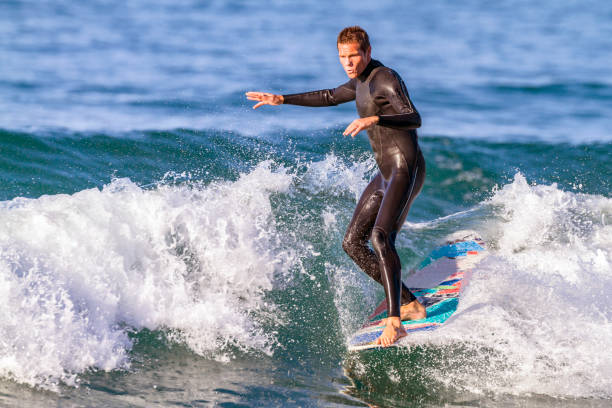
There’s nothing quite like watching your kid catch their first wave, eyes wide, arms flailing, and that huge grin spreading across their face as they ride all the way to the sand. It’s the kind of magic that turns a regular beach trip into a core memory. But let’s be real—hauling the whole crew to a surf destination can get heavy if you don’t stack the deck in your favor. The key is to set up a trip where everyone from the grom to the grandparent paddles away happy, and nobody ends up burned out or bored.
First off, pick a wave that’s got aloha for all levels. You want a spot with a soft, rolling break—think mellow crumbly waves that peel slowly over a sandy bottom. Places like Nosara in Costa Rica, the south shore of Oahu, or San Pancho in Mexico are classic family-friendly zones. No gnarly reef, no riptide drama, just plenty of room in the lineup for beginners and a separate peak for the more rippin’ crew. Look for a beach that has a consistent but gentle swell, ideally in the waist-high range, so the little ones can practice pop-ups without getting pounded. And please, check the tides. An incoming tide over a flat sandbar is your best friend for teaching.
Gear matters too. Don’t try to squeeze your six-year-old into a wetsuit two sizes too big or hand them a nine-foot log that weighs more than they do. Soft-top boards are the move for the groms—they float like a dream, they’re forgiving on the noggin, and they let kids feel the glide without fighting a heavy piece of foam. For the adults, bring something mid-length, like a funboard, that paddles easy but can still carve when a clean set comes through. And rash guards with UV protection are non-negotiable. You want the whole fam covered so nobody’s nursing a lobster-red back while you’re trying to get a sunset session.
Now, the vibe of the trip has to be loose. Nobody needs a rigid schedule of dawn patrols and interminable surf sessions that leave the non-surfing partner or toddler stranded on the sand. Mix it up. Spend the early morning surfing while the ocean is glassy and the kids are still groggy, then switch to pool time, a jungle hike, or a local market wander for the afternoon. Let the youngsters have their own surf lesson from a patient local coach while you snag some waves solo. That also gives the whole crew a break from each other—presence is the real gift, not forced togetherness. Evenings are for fish tacos, ice cream, and watching the sunset while someone strums a guitar. That’s the endless summer, right there.
Don’t sleep on the downtime activities that keep everyone stoked between sets. Build sandcastles, try stand-up paddleboarding on a calm river, or go tide pooling to spot starfish and hermit crabs. A family surf vacation isn’t just about riding waves—it’s about the whole salty vibe. If the youngest is too small to paddle, let them body surf or boogie board in the shorebreak. That way they feel like part of the action without the frustration of trying to pop up on a board that’s too big.
Safety, naturally, comes before stoke. Teach kids the basics of surf etiquette—don’t drop in, hold onto your board, and always look before you paddle out. Keep a close eye on currents and always have someone on the beach who’s not surfing, especially with little ones in the water. A whistle, some sunblock that actually stays on, and a first-aid kit with coral rash cream are essentials. And for the love of all that is holy, bring snacks. Nothing kills the vibe faster than a hangry kid melting down on the sand.
Finally, remember that the goal isn’t to make your family into pro surfers. It’s to share the stoke. Some days the waves will be flat, and that’s okay. Play frisbee, read a book, or just float on a surfboard and stare at the sky. The ocean gives us what we need, not always what we want. When your kid asks, “Can we do this again?” before you’ve even unpacked the car, you’ll know you did it right.
So load up the boards, slather on the zinc, and chase that perfect wave together. Because the best ride in the world is the one you share with the people you love.