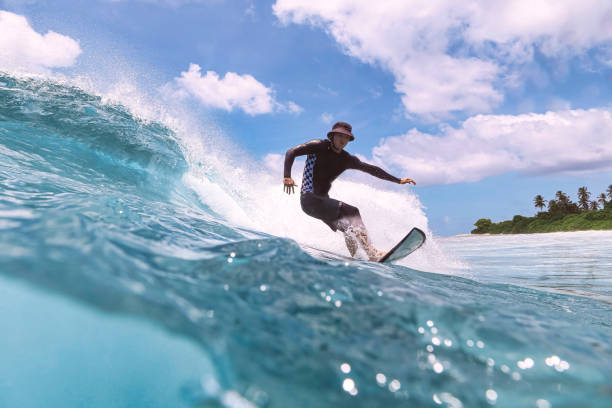
Alright, so you’re getting the hang of popping up, trimming down the line, and maybe even throwing a bit of spray. But to really get in sync with the ocean and chase the kind of waves you dream about, you gotta understand the canvas. The world’s waves are shaped by three main types of surf breaks: beach, point, and reef. Knowing the difference isn’t just surf geekery—it’s about knowing what you’re paddling into, how to handle it, and where to find your own kind of perfection.
Let’s start with the most common and often the most welcoming: the beach break. This is your classic sandy-bottom wave, formed by sandbars that shift with the tides, storms, and seasons. Think Huntington Beach, Hossegor, or the countless unnamed peaks along any coastline. The vibe here is democratic and ever-changing. One day a perfect A-frame is reeling off the main car park, the next week it’s a closeout a hundred yards down. Because it’s sand, the penalty for a wipeout is usually lighter, making it the ultimate training ground. You learn to read shifting peaks, deal with chunky shorebreak, and develop that quick, explosive pop-up. But don’t get it twisted—a heavy beachie on a big day is no joke. The power is raw and unforgiving, with no contour to organize the energy. It’s pure, unadulterated ocean power hitting the shallows. You’ll hear crews talking about the “banks being good” or a particular peak “firing,“ always chasing where the sand has settled into something magical.
Then you have the point break, the marathon runner of the surfing world. A point wave is created when swell wraps around a headland or a rocky point, peeling along a coastline for what can feel like forever. The bottom is typically a mix of rock, cobblestone, or sand, but the key is that long, predictable wall. Rincon, Jeffreys Bay, Malibu—these are the temples of the point. The rhythm here is different. It’s less about explosive drops and more about flow, setting a high line, and connecting sections with soul-arches and nose rides. The take-off zone is usually well-defined, which can mean a crowded pack jockeying for the throne. Paddling out at a point often means a long trek around the shoulder, and the vibe can be more localized and competitive. But when you get that one, where you race down the line with the section just feathering over your shoulder for minutes on end, it’s a different kind of soul food. It’s the glide.
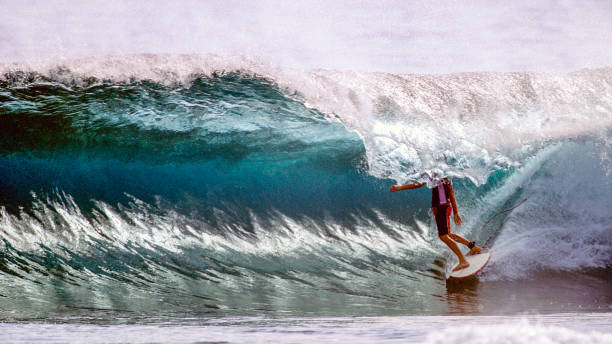
Finally, we get to the reef break. This is where things get serious, where performance and consequence are dialed up. Reef waves break over a coral or rock seabed. This fixed, hard bottom creates incredibly shaped, powerful, and often hollow waves. Think Pipeline, Teahupo’o, or Cloudbreak. The consistency is legendary—the swell hits that same underwater contour, creating the same take-off spot, the same barrel section, day after day, year after year. This precision breeds high-performance surfing and heavy tube riding. But the bottom is the boss here. A fall can mean a close encounter with the reef, a.k.a. getting “coral kissed” or worse. Respect is non-negotiable. Reefs can be shallow and terrifying or deeper and more forgiving, but they all demand a higher level of commitment, wave knowledge, and often, physical fitness to handle the currents. This is the arena.
So that’s the map. The sandy, shifting playground of the beach break. The long, dreamy lines of the point. The raw, sculpted power of the reef. Your home break might be one, but the true surfer’s journey is about experiencing them all—understanding the unique rhythm, challenge, and reward each one offers. It’s about knowing that sometimes you want the easygoing session at the local beachie, and other times you’re willing to get on a plane, pay your respects, and test yourself against the raw architecture of a perfect reef. That’s the endless search. Now go check the charts and see what’s cooking.