Legendary Surf Spots

•

Live Surf Cams

Surfline Live is a 24/7 glimpse into the world’s surf.

This stream moves through Surfline’s global camera network, showing spots where it’s daylight and rated Fair or better.

What’s The Deal With…?

Legendary Surf Spots
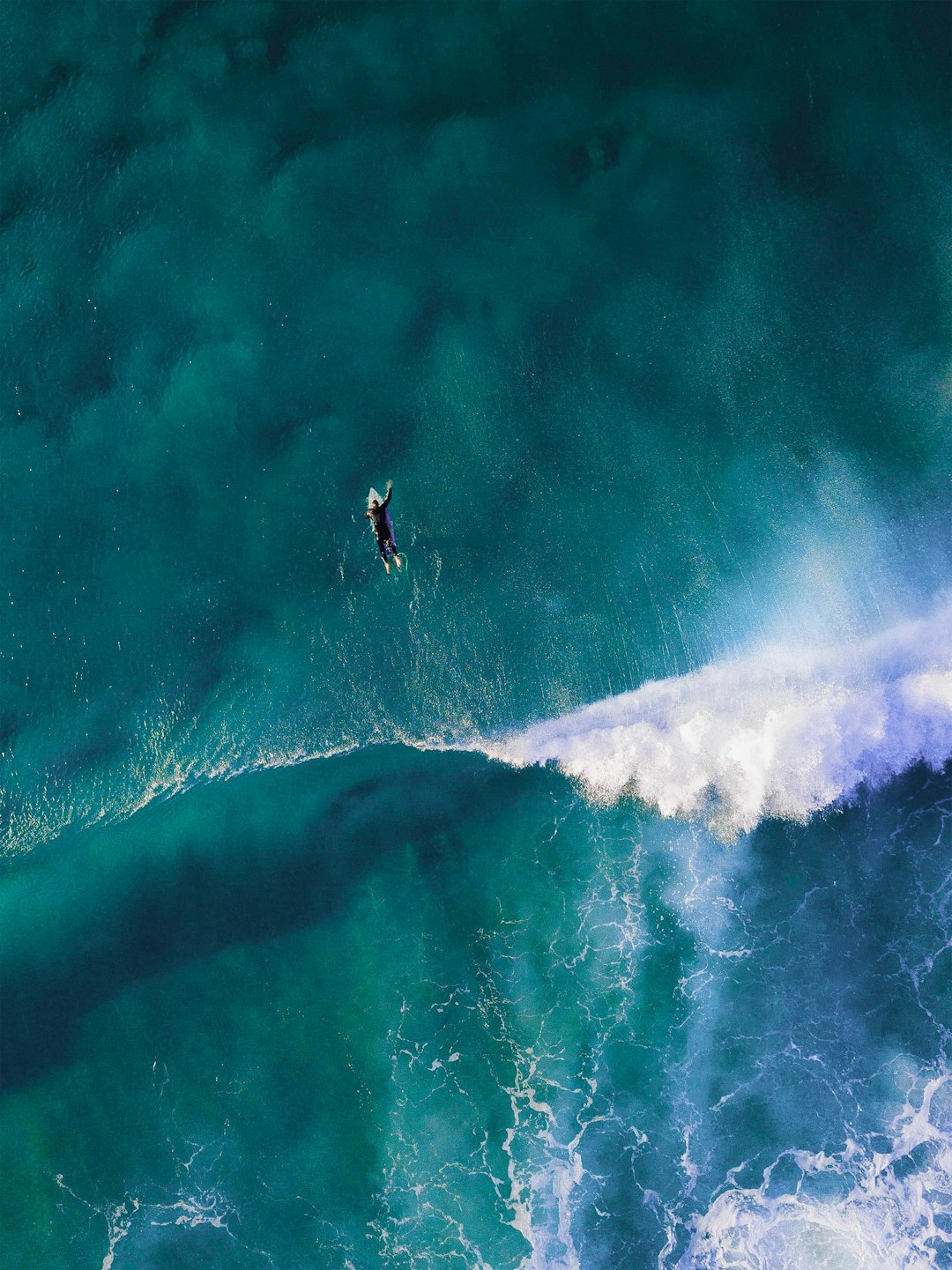
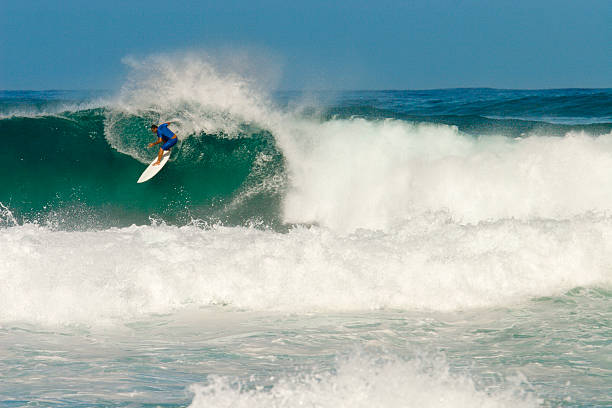
Respect and preparation are key. First, get your duck-diving and breath-holding dialed—you’ll need it. Study the break for hours, watch the locals, and understand the currents and rips. Your equipment must be on point: a right-sized board and a solid leash. Most importantly, be honest about your ability. Paddling out at a place like Teahupo’o or Shipstern Bluff isn’t just about skill; it’s a mental game. Start smaller, build confidence, and never go alone.

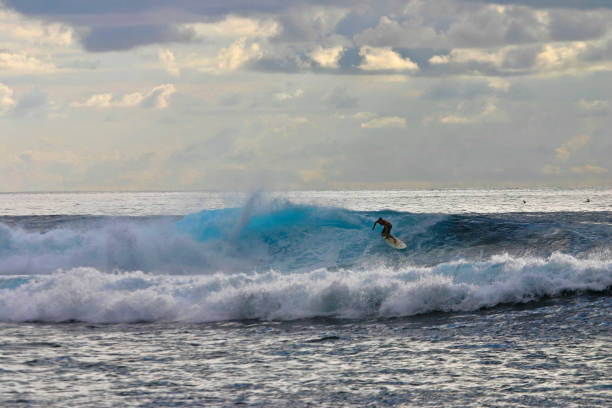
Tides and swells can totally transform a wave. Some spots, like The Box in WA, only come alive on a low tide with a huge swell, turning into a shallow, barreling beast. Others, like many tidal points, need a specific push of water to start working. Reading surf forecasts and understanding how your local spot reacts to different conditions is a superpower. It’s the difference between a flat day and scoring the session of your life.

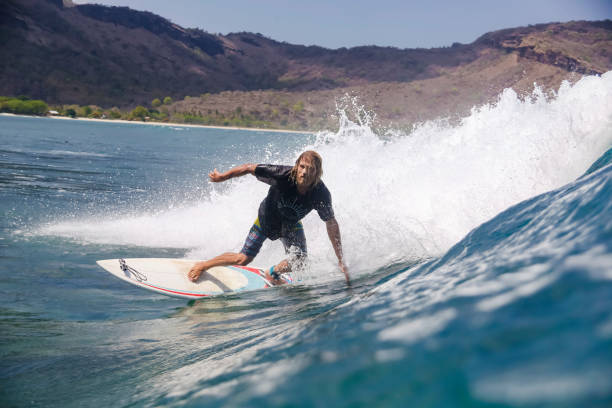
It’s all about the bottom contour. A point break, like Rincon or Jeffreys Bay, breaks along a rocky point or headland, creating long, predictable, and often rippable walls. A beach break, like Hossegor or Trestles, forms over a sandy bottom, making peaks that can shift but often offer punchy waves and barrels. Points give you those marathon rides, while beachies are great for explosive maneuvers. Both can be epic, but they demand different styles and approaches.

Legendary Surf Spots
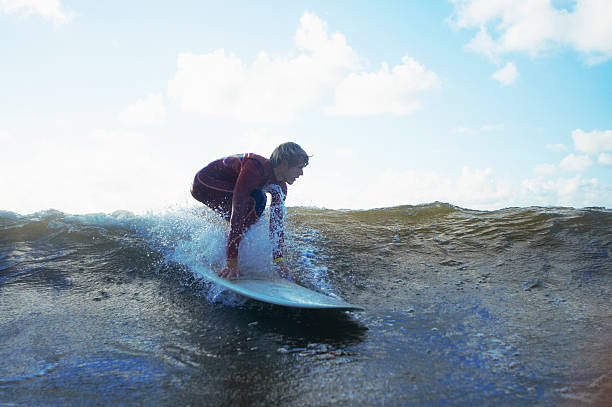
A performance wave is like a perfect canvas for high-speed surfing. Think Snapper Rocks or Lower Trestles. They offer a clean, walling face that allows for critical maneuvers—carves, airs, and snaps—in quick succession. These waves are predictable and lack the life-or-death consequence of a heavy slab, letting surfers push progression with less risk. They’re the testing grounds for modern competitive surfing, where flow, speed, and innovation are everything.

Localism is a tricky part of surf history. At packed, legendary spots, it can manifest as respect for those who surf there daily and know the wave intimately. While aggressive localism is frowned upon, understanding the lineup hierarchy is crucial. Give respect, don’t drop in, and don’t paddle straight to the peak. Earning your place by showing respect for the ocean and the crew goes a long way. It’s about community, not just claiming a wave.

Surf travel has brought global crowds to once-remote paradises. This has been a double-edged sword. It’s boosted local economies but also created crowded lineups and environmental pressure. The discovery of spots like G-Land or the Mentawais opened a new era of boat trips and surf camps, making perfection more accessible. The key is to travel responsibly—support local businesses, follow eco-friendly practices, and always respect the culture and the lineup.