Forget the crowds. Forget the paved roads leading right to the line-up. If your idea of scoring perfect waves involves a serious sense of adventure, a willingness to trade comfort for empty perfection, and a journey that feels like stepping back in time, then Sumba Island is your grail. This isn’t Bali. This isn’t the Mentawais with their charter boats. This is the real, raw, untamed frontier of Indonesian surfing, and it’s everything a dedicated surfer dreams of.
Located east of Bali and Lombok, Sumba feels like a different planet. The landscape is wild and dramatic—savannah grasslands, rugged hills, and that famous, relentless dry-season wind that howls offshore, grooming the points and reefs into mechanical perfection. The vibe on land is ancient, with traditional villages of towering peaked roofs and a culture that’s fiercely held onto its animist beliefs. You’re not here for the nightlife or the smoothie bowls. You’re here for one thing: legendary, uncrowded waves that demand respect.
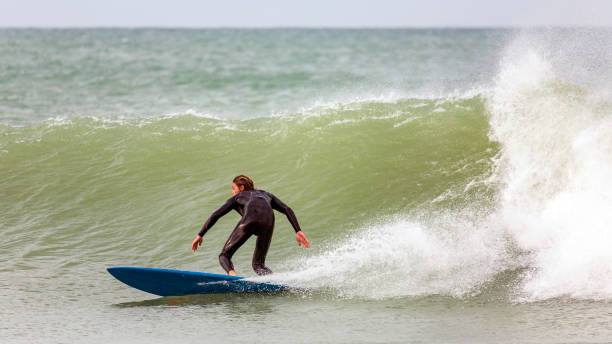
The crown jewel, the wave that put Sumba on the global surf map, is Occy’s Left. Named after the Aussie legend Mark Occhilupo who famously surfed it in the 90s, this is a freight-train left that rivals the best in the world. When the swell pumps, it’s a thick, grinding, down-the-line barrel that can run for hundreds of meters. It’s heavy, it’s shallow in sections, and it will expose any hesitation. This is not a wave for the faint-hearted or the intermediate. It’s for those with the skills and the guts to commit. Paddling out here, with the wind howling and the current pulling, you feel the raw power of the Indian Ocean in its purest form.
But Sumba isn’t a one-wave wonder. The island’s south-facing coastline is a treasure trove of setups. Nihiwatu, now home to a luxury resort, offers a powerful and rippable right-hander that can handle size. Further east, spots like Maronies and Pantai Tarimbang provide more playful, though still powerful, waves for when the swell isn’t maxing out. The beauty of a Sumba surf trip is the exploration. You’ll spend hours bouncing down dirt tracks in a 4x4, your eyes glued to the coastline, looking for that tell-tale bump on the horizon that might just be a secret slab or a perfect, peeling point no one has ever ridden. The stoke of discovery is part of the fuel here.
Getting your share of this perfection requires work. You need to be self-sufficient. Most surfers base themselves in a simple losmen or one of the few dedicated surf camps, which operate more like expedition bases. Days start early, chasing the morning glass before the legendary Sumba wind kicks in. You’ll pack lunch, gallons of water, and a sense of adventure. The sessions are earned, not given. And that’s what makes it special. The crew you meet here are the real deal—salt-crusted, sun-bleached, and there for the waves, not the ‘gram.
So, if your quiver is dialed, your fitness is up, and your soul craves a surf trip that’s more about raw experience than luxury, point your compass to Sumba. It’s a throwback to how surf exploration used to be. It’s challenging, it’s remote, and it’s utterly rewarding. You’ll come back with not just memories of perfect barrels, but with the feeling that you’ve touched the edge of surfing’s map. In a world of crowded line-ups, Sumba remains a rare bastion of remote perfection. Just don’t tell everyone.