Forget the postcards. The real surf spots that shape our history aren’t just pretty beaches. They’re raw, powerful, and often downright fickle stretches of coastline where the ocean’s energy gets funneled into something perfect, terrifying, or both. These are the places that birthed legends, defined eras, and remain the pilgrimage sites for anyone who truly lives to surf. This is about the hallowed ground.
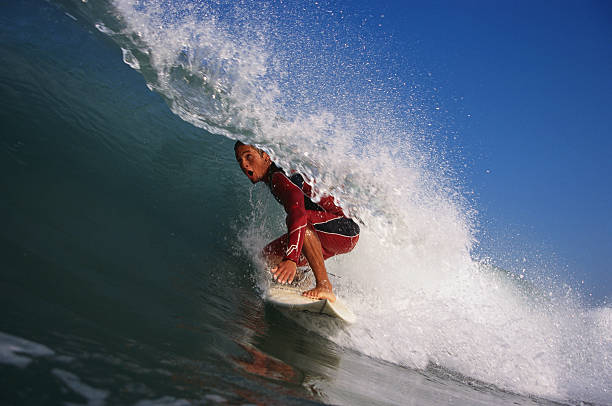
Let’s start with the North Shore of Oahu. It’s not a single spot; it’s a seven-mile stretch of pure consequence. In winter, it transforms into the ultimate proving ground. Pipeline is the king here. It’s not a wave you “ride”; you survive it. The reef is shallow, the tube is a thick, heaving barrel that spits with authority, and getting caught inside is a brutal pounding. Just down the Kam Highway, Sunset Beach offers a different beast—a heaving, stair-stepped wave that demands power and endurance. Then there’s Waimea Bay, home of the big wave bomb. When it’s “on,“ it’s a mountain of water that redefined what was considered rideable. The North Shore commands respect, and every surfer who paddles out there earns a lesson in humility.
Cross the Pacific to Jeffreys Bay in South Africa. J-Bay is a different kind of perfection. It’s a long, winding right-hand point break that can run for nearly a kilometer when it’s really firing. It’s about flow. You take off at Supertubes, set your rail, and enter a state of pure trim. The wave walls up, barrels in sections, and allows for high-speed carves down the line. It’s a surfer’s canvas, which is why it became synonymous with style masters. When it’s on, it’s arguably the most rippable wave on the planet.
You can’t talk legends without Teahupo’o in Tahiti. Pronounced “Cho-poo,“ this wave isn’t water; it’s a liquid avalanche. It breaks over a shallow, razor-sharp coral reef, creating a thickness that is more like a ledge than a curtain. The tube is square, heavy, and often throws so far out it blocks the sun. It’s not about tricks; it’s about commitment and sheer guts. One mistake here has serious consequences, making every successful ride a victory.
Over in Indonesia, Uluwatu on Bali is the temple. It’s a left-hand reef break that works on multiple swells, offering everything from long, carving walls to grinding barrels in The Racetrack and Temples sections. Paddling out through the cave at low tide feels like a rite of passage. The vibe is a mix of reverence and local priority, a reminder that these waves belong to the islands first. When the trade winds blow and the swell hits, Uluwatu is a masterclass in high-performance surfing on a powerful, dreamy wave.
Finally, there’s Banzai Pipeline’s spiritual cousin on the other side of the world: Shipstern Bluff in Tasmania. This is raw, Antarctic power. The wave hits a shallow, kelp-covered dolerite shelf, creating a freakish, stepped face with mutant lips that can throw you into a second, even more critical, drop. It’s cold, sharky, and isolated. Surfing “Shippies” is for a special breed of charger who finds beauty in the chaotic and terrifying.
These spots are more than just geography. They’re the characters in surfing’s ongoing story. They test your skill, your nerve, and your understanding of the ocean. Chasing these waves isn’t about a vacation; it’s a pilgrimage. You go to learn, to respect, and maybe, if you’re lucky and the ocean allows, to get a few seconds of pure, unadulterated stoke in a place where history is written in every set wave. So study the forecasts, respect the locals, and understand what you’re paddling into. These legends don’t suffer fools.