There’s a kind of magic that settles over you when the last familiar coast fades behind the horizon and the only thing left is the hum of the boat engine and the low, steady promise of the Indian Ocean. That’s the feeling you get when you point your bow toward Sumba. It’s not one of those places you stumble into by accident. You go there on purpose, with intention. And if you’re a surfer chasing that elusive blend of perfect waves and total solitude, Sumba is the kind of place that haunts your dreams long before you ever paddle out.
The island sits like a forgotten jewel east of Bali, tucked into the deep blue between Timor and Sumbawa. It doesn’t have the buzz of Lombok or the packed lineups of the Bukit. What it has is something rarer: a pulse. A steady, trade-wind-driven rhythm that shapes the coast into a series of world-class reef passes. The most famous of them, Occy’s Left, is a long, grinding left-hander that peels over a shallow coral shelf for what feels like an eternity. The locals call it a wave that breathes. And they’re not wrong.
You feel that pulse the moment you step onto the dry, sunbaked sand near the village of Tarung. The air is thick with the scent of salt and dried fish, and the only sounds are the rustle of palm fronds and the distant crash of a set hitting the outer reef. It’s a sound that gets inside you. It sets a tempo. The swell here doesn’t come in chaotic lumps. It arrives in organized groups, like a slow exhale from the ocean’s lungs. Each set has a pattern, a cadence that you learn to read after a few days in the water. The early mornings are glassy, the offshore breeze still sleeping, and the waves peel with a clean, hollow precision that makes your heart skip.
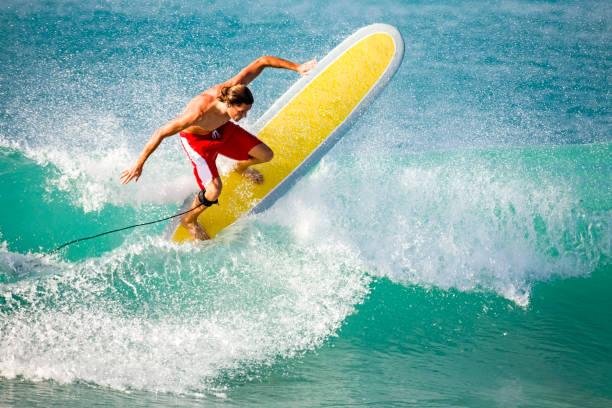
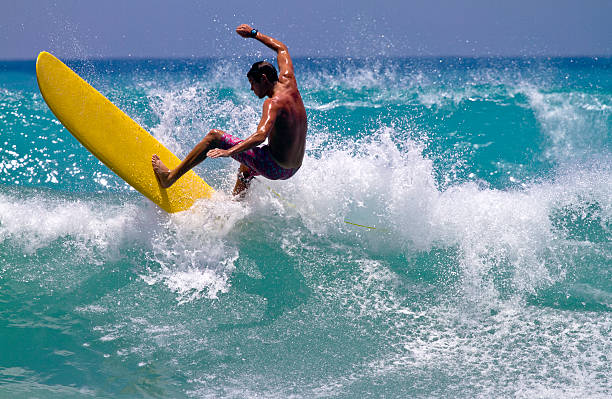
Riding Occy’s Left is like being led through a secret passage. You drop in, the face stands up, and then you’re flying down the line, watching the barrel form in front of you like a tunnel made of water and light. It’s not a wave for the faint of heart. The reef is sharp, the current can be tricky, and the wave itself has a way of testing your commitment. But for those who earn it, the reward is that rare thing: a wave that feels personal, as if it was shaped just for you by the ancient push of the trades.
But Sumba isn’t a one-wave island. Scattered along the southwest coast are a handful of other breaks, each with its own flavor. There’s the long, wrapping right that peels into a sheltered bay near Waitabar, best on a mid-tide push when the swell aligns with the lunar pull. And there’s a shallow reef that only lights up on a big west swell, spitting barrels that look like they belong in a dream sequence. The beauty of it all is the emptiness. You’ll share the lineup with maybe four or five other surfers on a crowded day. Most days, it’s just you, the reef, and the trade-wind hum.
The local community adds a layer of spirit that can’t be bought. The Sumbanese people have a deep connection to the ocean. They fish, they trade, and they watch the horizon with a knowing gaze. When you paddle in after a long session, with salt crusted on your skin and a grin that won’t quit, you’ll often find a kid offering a coconut or an elder nodding with a quiet smile. They understand the rhythm you’ve been riding. They live it themselves, just in a different way.
Traveling to Sumba isn’t easy. You fly into Tambolaka or Waingapu, then bump along dirt roads past villages where chickens scatter and water buffalo stare. The resorts are few and far between, which is part of the charm. You’re not here for luxury. You’re here for the uncut version of the surfing life. The sunsets paint the sky in shades of orange and purple, and the night sky is so thick with stars you forget the rest of the world exists.
That’s the real secret of Sumba. It’s not just a surf trip. It’s a reset. It’s a reminder that the endless summer isn’t about perfect weather or constant sun. It’s about being in tune with the pulse that moves the planet—the same pulse that sends those left-handers marching down the reef, one after the other, patient and eternal. You don’t conquer Sumba. You surrender to it. And in that surrender, you find the kind of wave that stays with you long after you’ve left.