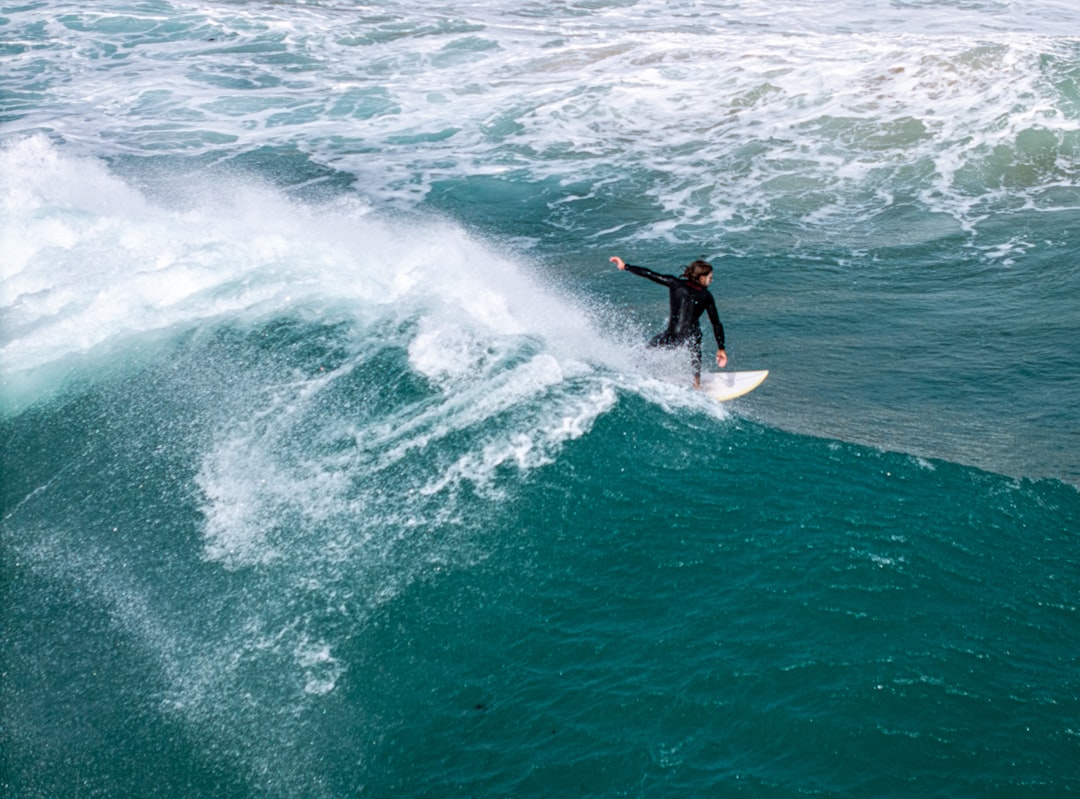
Sure, you can paddle out solo at dawn and catch all the clean shoulder-high peelers your heart desires. But let’s be real—surfing gets way better when you’ve got a crew. Not just any crew, but the kind of salt-crusted, weather-worn, core-brotherhood that rolls deep through every season. Building a surf network isn’t about collecting phone numbers or hoarding intel on secret breaks. It’s about plugging into the heartbeat of your local ocean community, earning trust one wave at a time, and finding your people who’ll tell you when the wind is offshore, when the sandbar has shifted, and when you’re about to drop in on the wrong local. That’s the stoke that turns a hobby into a lifestyle.
The first rule of building your tribe is simple: show up, and keep showing up. You can’t force a surf community to adopt you after one weekend session. The lineup has a memory longer than a winter swell. So pick a break that fits your level, whether it’s a soft crumbling beachie or a racy point, and become a regular. Same time, same tide, same parking spot. Familiarity breeds respect. Guys and gals who see you paddling out every Tuesday before work will start to nod. They’ll throw you a shaka. They’ll notice if you’re missing. That consistency is your entry ticket.
Now, once you’re in the water, leave your ego on the sand. The fastest way to sink any chance of building a crew is to snake waves, drop in on people, or blow the lineup etiquette. Learn the pecking order. Spot the veterans who’ve earned their right of way through decades of paddling battles. Wait your turn. Hoot when someone gets a good barrel. Take the scraps with gratitude. When you blow a takeoff, laugh it off. When you get pounded by a set, come up smiling. Surfers aren’t looking for heroes in the water; they’re looking for easygoing, low-drama souls who make the session better. Be that person.
Between sets, chat it up. Ask about the conditions, the new fin setup, the swell direction. Compliment someone on a smooth bottom turn. Drop some local knowledge if you have it—like which sandbar works best on an east wind. Over time, those small exchanges become surf-check texts, then shared cars to the coast, then cold beers in the parking lot as the sun bleeds orange. That’s how it happens. No grand gestures. Just a lot of small, genuine connections stacked like good waves on a glassy day.
Also, don’t sleep on the land-based scene. Surf shops are the community living rooms. Hang out, ask about board repairs, browse the wetsuit rack, ogle the new twin fins. Get to know the shapers and the shop rats. They know everyone, and they’ll vouch for you. Beach cleanups, local surf club meetings, and paddle-out memorials are prime spots to meet people who care about the ocean beyond their next scoring heat. Volunteer for a junior comp or a foamie shed day. That’s where the real network strands start to weave.
And here’s a modern twist: The internet isn’t all trash. Local surf groups on social media, swells forecasting apps with chat threads, and regional forums can tip you off to conditions and introduce you to like-minded rippers. But use the digital world as a launchpad, not a crutch. Nothing beats looking someone in the eye as you both duck-dive a rogue set. The virtual handshake only works if you follow through in the flesh.
A solid surf network also means keeping it inclusive. Don’t just build a boys’ club or a clique of same-style surfers. Open your circle to boogie boarders, longboarders, prone paddlers, and the groms who are hungry for advice. Cross-tribes broaden your stoke. That old hodad on the log might teach you about reading the tide. That 12-year-old on a shortboard might show you a new generation’s air-game. The ocean doesn’t draw lines; neither should you.
Finally, be the friend you want to find. Offer a spare set of fins. Share a wave. Give a push into a steep one. Check on someone who took a heavy wipeout. The surf community runs on kindness wrapped in salt spray. When you show up with an open heart and a willingness to put in the time, the network builds itself. Then one day you’ll look around and realize you’ve got a crew—people who’ll chase swells across state lines, pull you out of a rip, and celebrate your first tube ride like it’s their own. That’s not just networking. That’s family. And it all starts with a single paddle out and the simple choice to keep coming back.