Dingle Peninsula, Ireland: Emerald Isle Swells
Live Surf Cams

Surfline Live is a 24/7 glimpse into the world’s surf.

This stream moves through Surfline’s global camera network, showing spots where it’s daylight and rated Fair or better.

What’s The Deal With…?

Legendary Surf Spots

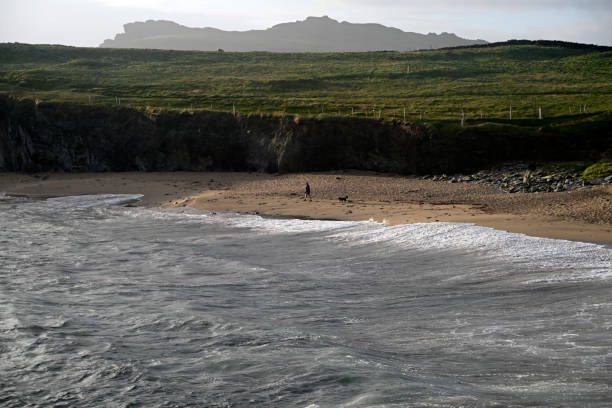
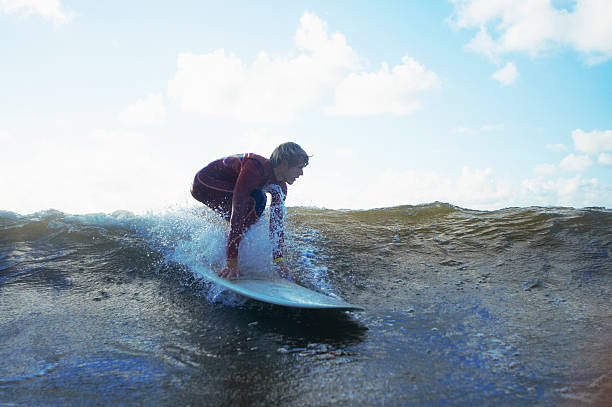
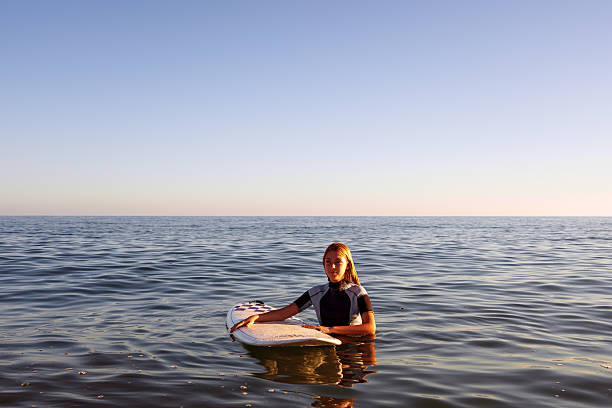
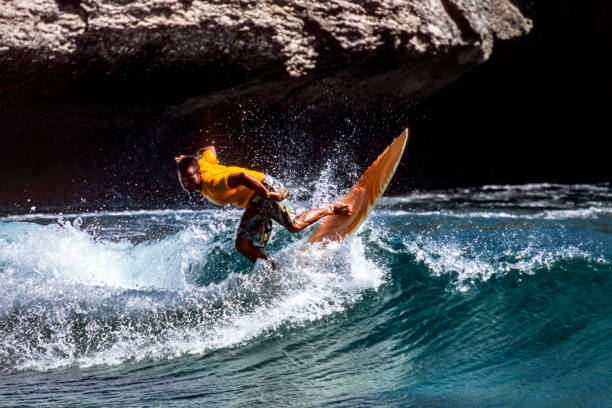
Dude, it’s raw, rugged, and totally magical. Unlike crowded breaks elsewhere, here you’re surfing in the shadow of ancient mountains and Gaelic ruins. The water is seriously crisp, but the vibe is pure warmth. You’ll share peaks with friendly locals and maybe a curious dolphin or two in the famously clean Atlantic swell. It’s less about perfect barrels and more about the soulful experience—connecting with powerful nature and rich culture between sets. Just remember your hood and booties; the Atlantic doesn’t play nice with summer wetsuits.

No stress! The Dingle Peninsula is an adventure playground. Hike Mount Brandon for insane views, explore the Slea Head Drive, or visit the ancient Gallarus Oratory. Hit the Fungie statue (RIP legend) and maybe spot his dolphin pals on a boat tour. The local music scene is world-class—find a trad session in a pub any night. Check out the countless archaeological sites, or just cozy up with a book by a turf fire. A flat day here is just an invitation to explore the magic on land.

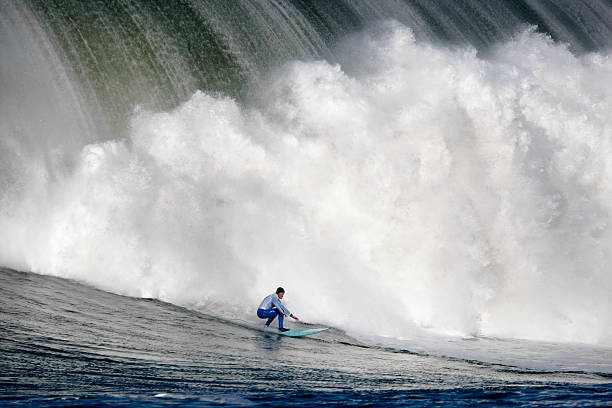
For the most consistent juice, aim for autumn through early spring. That’s when the North Atlantic low-pressure systems really fire, delivering solid groundswells and those epic, glassy days after a big blow. Summer can be fun for beginners with smaller, more manageable waves, especially on the protected beaches. But if you’re hunting overhead power and empty lineups, the winter months deliver. Just be ready for shorter days, colder temps, and the potential for truly legendary sessions when the charts light up.

Legendary Surf Spots

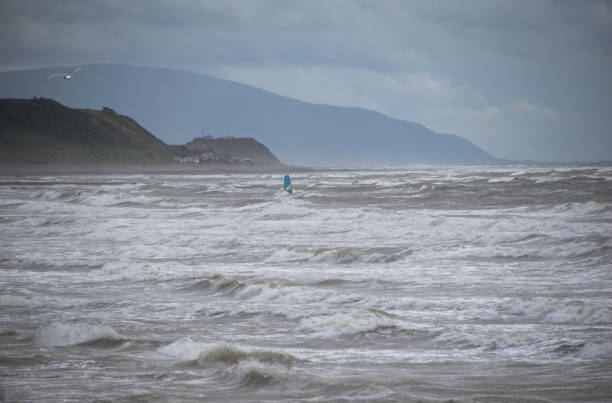
They’re everything, brah. The Peninsula faces the full fury of the Atlantic, so wind switches can make or break a spot in minutes. A west or northwest swell is your golden ticket. Tides are massive—some spots only work on a specific push, while others get drained completely. Study the tide charts like a map to treasure. One minute you’re surfing a perfect A-frame, the next you’re looking at dry reef. Apps are helpful, but nothing beats chatting up a local surfer in the car park for the real scoop.

It’s a tight-knit, core crew who’ve been charging these chilly waters for generations. Respect is everything. They’re super welcoming to visitors who show proper etiquette in the lineup—no dropping in, no snake moves. The scene is humble; you’ll find legends in the pub who’d rather talk about the fishing than their biggest wave. It’s not a surf-industry circus. Embrace the slow pace, buy a local a pint after your session, and you’ll be stoked. They protect their breaks fiercely, so leave only tracks (and maybe some euros at the local surf shop).

Forget your spring suit. You’ll need a quality 4/3mm wetsuit year-round, and a 5/4mm with hood, boots, and gloves from October to May. The Atlantic is no joke. A solid all-around shortboard or a forgiving fish/groveler for smaller days is ideal, but a step-up board for bigger winter swells is smart. Bring plenty of wax (cold water formula!) and consider a roof rack for exploring the coast. Oh, and a big towel and a thermos for a hot brew afterwards—essential for thawing the core.