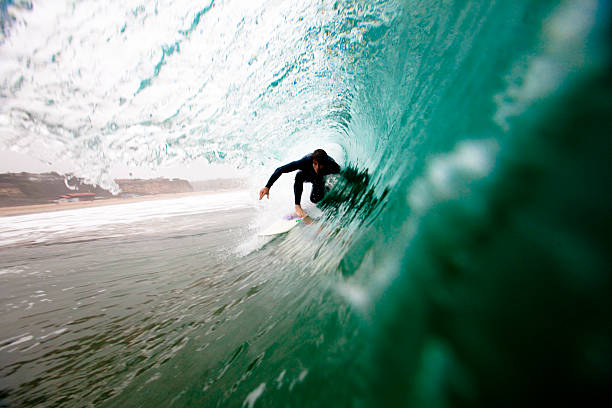
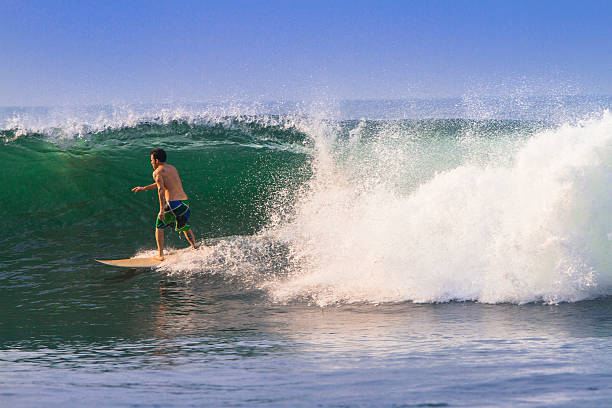
There’s a certain kind of stoke that lives in the cold corners of the North Atlantic, and nowhere does it ripple with more raw, mystical power than the Dingle Peninsula. When the charts goes electric and the low-pressure systems start stacking up like a freight train out of the deep blue, the water starts to talk. The language it speaks is an ancient one, full of reef, rock, and rip, but the wave that steals the whispers of every soul brave enough to paddle out is the fabled long left at Inch Beach. If you’re chasing a line that feels like it was forged in the depths of a Viking saga, you point your board toward this five-kilometer stretch of golden sand and prepare to feel the Celtic pulse of the sea.
Inch Beach isn’t just a wave. It’s a journey. It demands respect because it doesn’t give a second chance to the careless. The setup is pure theater. The shore curves into the Atlantic just right, channeling the energy of an oceanic swell into a peeling, sand-bottomed point that can run for two to three hundred meters on a good day. The takeoff zone is fast and critical, the kind that makes you hoot before your feet are even planted. You paddle hard, you read the pulse, and if you’re lucky, you drop in on a shoulder that’s as smooth as polished glass. The wave stands up steeply, throws a lip that’s surprisingly hollow for a beach break, and then just goes. It wraps around you, the wind blowing offshore from the mountains behind the beach, and for a few seconds that stretch into an eternity, you’re riding a ribbon of emerald that was woven by the same hands that shaped the cliffs of Moher.
The local crew in Dingle won’t hassle you, but they’ll watch you. There’s a quiet code in the water here, a sense of brotherhood born from shivering through onshore days and celebrating the rare and perfect window when the swell, tide, and wind all sync up. The best time to score the long left is during a solid northwest to west swell with the low to mid tide pushing in. The sandbars shift like creatures beneath the surface, so the peak changes tomorrow. You might paddle out one morning and find a chest-high dream that pins you all the way to the inside, and the next day find it closing out like a washing machine. That’s the allure. It keeps you guessing. It keeps you humble.
But this wave isn’t just about the ride itself. The atmosphere in the water on the Dingle Peninsula is part of the high. You’re not just surfing in Ireland. You’re surfing on the edge of the known world. The mountains of Slea Head rise up behind you, mist clinging to their peaks, and the old stone cottages look down like forgotten sentinels. You can taste the salt and the peat in the air. It’s a sensory overload that makes every wave feel like a gift. The cold is real, no doubt about it. You’ll need a good 5/4 wetsuit, boots, gloves, a hood, and maybe even a thick smile to keep your teeth from chattering. But the cold sharpens your focus. It forces you to be present. You don’t paddle out on a four-foot day at Inch Beach to mess around. You paddle out to connect with something bigger than yourself.
There’s a rhythm to the long left that’s different from a punchy reef or a hollow beach break. It’s a canvas for drawn-out carves and high-line surfing. You can work the wave from the pocket all the way to the wide open face, hitting the lip, fading back, and lining up for another section that keeps unfolding ahead of you. It asks for flow, not just power. It wants you to dance. And when you connect a couple of those turns in a row, with the mountains watching and the cold water slapping your face, you get that feeling that The Endless Summer boys must have stumbled upon somewhere in their travels. It’s the chase, the hunt, the reward of the open road.
If you find yourself on the Emerald Isle with a board under your arm and a restless spirit in your heart, save some gas money for the drive out to the peninsula. Watch the horizon. Respect the rip. And when that long left stands up and offers you a green wall wrapped in gray sky, take it. The wave will carry you all the way back to the shore, but the feeling will carry you for a lifetime.