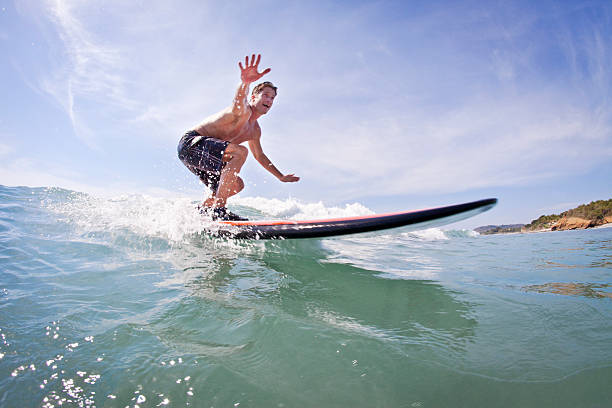
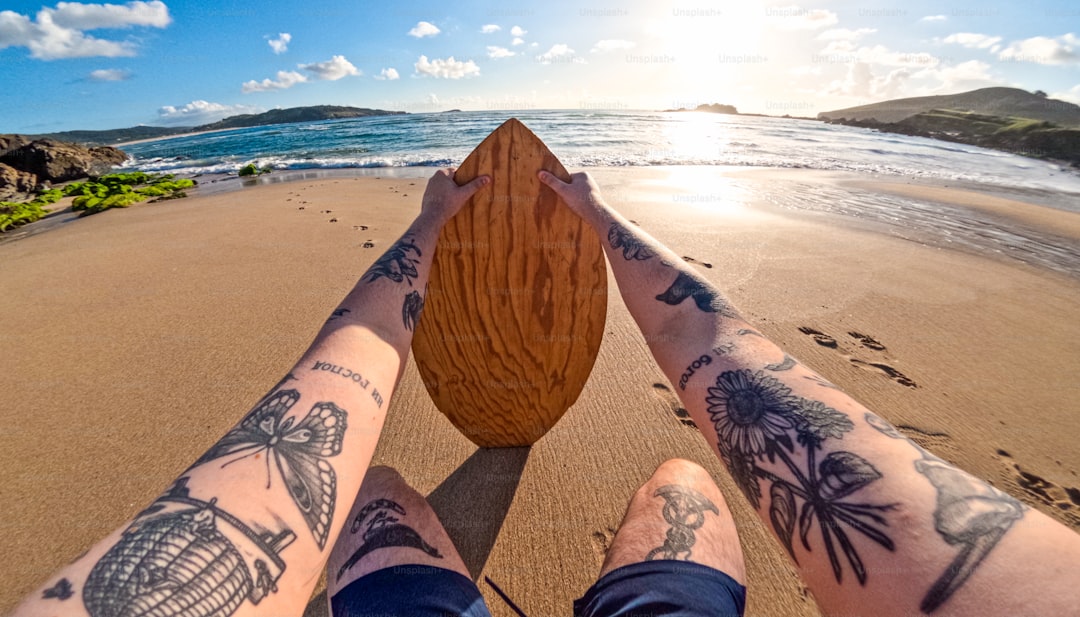
There comes a point in every surfer’s journey where the basics start to feel like a broken record. You can paddle out, pop up, and ride whitewash to the beach, but something is missing. The wave doesn’t give you that stoke it used to, and you find yourself watching the really good surfers with a mix of respect and quiet frustration. You know the moves are in there somewhere, but your body won’t listen. That’s the exact moment when a surf camp becomes less of a vacation and more of a launchpad. It ain’t about learning to stand up anymore. It’s about learning to read the ocean, to find the pocket, and to stop fighting the water like it’s your enemy.
The first thing a good surf camp does is strip away all the bad habits you didn’t even know you had. Maybe you’re dropping your shoulder on the takeoff, or you’re looking down at your board instead of down the line. Maybe your pop-up is two beats too slow, or you’re paddling with your hands too flat. A camp with a solid crew of coaches watches you from the beach and from the water. They see the little things that turn a decent ride into a frustrating closeout. They’ll have you doing dry land drills under a palm tree until your legs remember the motion. It sounds like work, and it is, but the first time you drop in and feel that bottom turn connect without thinking, it’s magic.
But the real gold in a surf camp isn’t just the coaching. It’s the community. You’re surrounded by a pack of souls who are all chasing the same thing. You trade waves, you share boards, you get salty together. That energy rubs off on you. When you see someone else commit to a late drop and pull it off, it makes you want to be braver. When you eat it on a steep face and come up laughing with three other guys who saw the whole thing, you lose the fear of looking like a kook. That freedom is what lets your surfing evolve.
Most dedicated surf camps also incorporate video analysis. It’s a humble experience to watch yourself paddle for a wave you thought you owned, only to see your arms flailing and your fins dragging. But that video is a teacher with no mercy. You see exactly where you hesitated, where you straightened out, where you forgot to breathe. The next session, you have a target. You’re not just flailing anymore. You’re working on one specific thing: opening your shoulders, keeping your head up, driving the rail.
Another huge factor is equipment. Many camps have a quiver of boards that are way better than what you have at home. You can try a fish, a step-up, a groveler, or even a log, depending on what the swell is doing. You might find out that your standard shortboard is holding you back, and that a slightly bigger, fatter shape lets you glide into waves earlier and draw longer, more powerful turns. That kind of discovery changes how you look at your own gear forever.
The biggest lesson, though, is about flow. Good surfers don’t fight the wave. They dance with it. A camp helps you feel that rhythm. You stop trying to force the turn and start letting the wave’s energy do the work. You learn to match its speed, to feel the moment when you can release the rail and redirect. That sensation, when the wave and you become one smooth line, is what the whole thing is about. It’s why we paddle out at dawn in the cold. It’s why we travel to waves that scare us. A surf camp doesn’t give you a shortcut to that feeling. It shows you the path. The rest is up to you and the ocean.