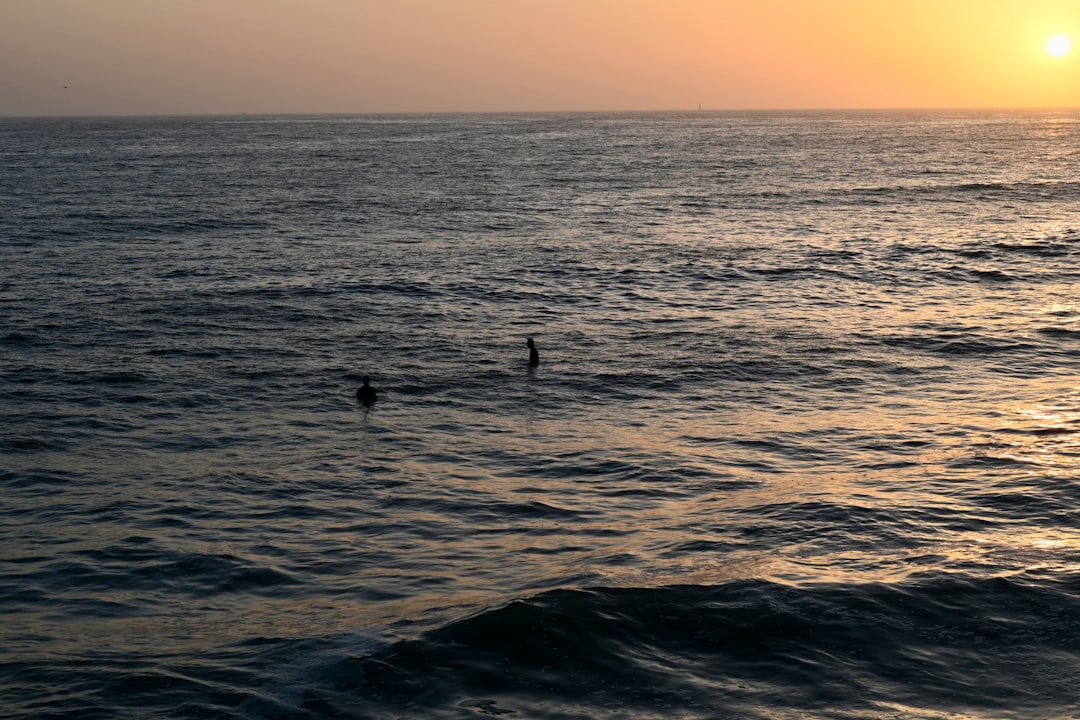
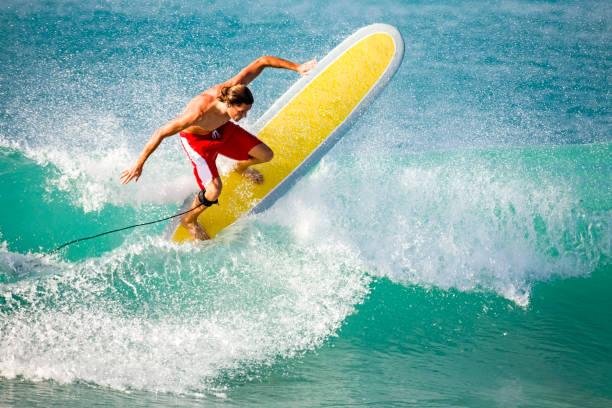
There’s a certain quiet hum that rides in on the low-pressure systems rolling off the North Atlantic. You feel it before you see it—a shift in the air, a drop in the barometer, the way the seagulls huddle a little tighter against the cliffs. For a surfer chasing that endless summer vibe, Ireland’s west coast ain’t your typical postcard. There’s no swaying palm or warm bathwater. Instead, you get a raw, honest kind of magic that sinks into your bones and rewires your whole idea of what a wave can be.
The Wild Atlantic Way stretches over fifteen hundred miles of coastline, from the Inishowen Peninsula in the north down to West Cork. But for the dedicated wave rider, the real heartbeat lives in the spots that don’t make the glossy travel brochures. Places like Mullaghmore, where the slabs heave up like angry prehistoric beasts, or the long, grinding lefts at Bundoran that wrap around the headland with a patience only a seasoned groundswell can deliver. You don’t just surf these waves; you earn them. You paddle out with a knot in your gut, your hood cinched tight, fingers stiff in five-millimeter gloves, and you sit there watching the horizon like a hawk watching a rabbit hole.
The rhythm out here is different. It’s slower, deeper, more deliberate. Back home in California or Australia, you might get a clean, predictable swell that lines up like a conveyor belt. Here, the ocean has a mind of its own. Swells come in from all angles—leftovers from hurricanes that spun out in the Caribbean, deep-water groundswells that have traveled two thousand miles without touching bottom until they hit the continental shelf. And when they unload on a reef or a sandbar, it’s a show that demands respect. A ten-foot day in Ireland hits different than a ten-foot day in Hawaii because the water’s forty-eight degrees and the next paddle back to shore is a half-mile slog against a howling onshore wind that shifts every fifteen minutes.
But the real heart of Ireland’s wave culture isn’t the size or the power. It’s the empty lineup on a Tuesday afternoon in November. It’s the feeling of being the only soul out there, arms burning, breath short, watching a corduroy line roll in from the gray-blue abyss. You take off on a wave that’s been building for three days, and for a few seconds, all the cold and the fear and the aching legs dissolve into pure flow. That’s the endless summer. Not the calendar season, but the state of mind. The chase.
And when you stumble back onto the beach, teeth chattering, wax smeared across your rashguard, you find your way to a snug little pub in Lahinch or Strandhill. The fire’s crackling, a Guinness sits like liquid bread in a warm glass, and the craic is alive. You swap stories with locals who’ve been surfing these waters since before wetsuits were reliable, before any of the hype. They’ll tell you about the time they nearly got swept into the cliffs at Rinroe, or the day it went glass off for three hours straight and nobody showed up. They don’t measure waves by the foot; they measure them by the feeling.
Traveling the Wild Atlantic Way for surf is a pilgrimage as much as a trip. You pack your van with boards, extra wetsuits, a bag of oats, and a thermos of something strong. You chase the wind charts and the buoy readings, and you learn to read the clouds like a sailor. One day you’re in Donegal, surfing a punchy beachbreak with offshore winds that make the faces look like polished obsidian. The next, you’re heading south to Dingle, where the water clears up and you can see the kelp forests swaying beneath your board. Every stop feels like a secret that the ocean let you in on.
The cold is part of the deal. Your first few sessions, you might spend more time shivering than surfing. But after a while, you stop noticing. Your body adapts. The cold becomes a companion, a reminder that you’re alive. And when you finally peel off your steamer after a long session, steam rising off your skin in the November air, you peel back a layer of yourself too. This isn’t just surfing. It’s an immersion in a wild, wet, ancient land where the waves carry the stories of the sea and the wind hums a tune older than any song you know.
So whether you’re a seasoned charger looking to test your mettle on a slab, or a longboarder wanting to trim across a mellow point break on a rare glassy morning, Ireland’s Wild Atlantic Waves have a gift for you. It’s not comfort. It’s not easy. But it’s real. And real waves, like real moments, are the ones that stick.