In the pantheon of surf gods, some are fire, all loud charisma and bravado. John John Florence is water. A quiet, flowing force that reshaped the very coastline of high-performance surfing. To talk about modern surfing, about the aerial game that now defines every heat and every free surf from Snapper to your local beachie, is to talk about John John. He didn’t invent the air, but he mastered it with a blend of power, flow, and consistency that felt like a new language.
Born and raised on the North Shore of Oahu, John John wasn’t just a kid who surfed; he was a kid of the surf. The Seven Mile Miracle was his backyard, his schoolyard, his everything. He was a grommet in the lineup at Pipeline, getting pitted alongside the legends, learning respect for the ocean’s raw power. That foundation is key. While other prodigies were honing their act in the soft, rampy waves of a contest site, John John was getting drilled at Backdoor. It gave him a complete, no-bullshit approach. He could throw tail in critical sections where a mistake meant a one-way ticket to the reef, and that fearlessness translated everywhere.
What set John John apart as he exploded onto the world stage wasn’t just that he went for airs. It was how he did them. Before him, an aerial was often a Hail Mary, a big, sketchy launch where coming down clean was a victory. John John made it look like just another turn, a seamless part of the line. His trademark, the “John John Rotator,“ is a thing of beauty—a full-rotation air reverse where he seems to hang in the lip’s spray forever, board perfectly controlled, before stomping the landing like he’s stepping off a curb. It’s powerful, but it’s also impossibly smooth. He brought a surfer’s flow to what was often a gymnastic move.
This wasn’t just for the clips, either. He brought it to the arena, winning back-to-back World Titles in 2016 and 2017. His title runs were a masterclass in competitive evolution. He’d dissect a wave like Teahupo’o or Pipe with the savvy of a veteran, threading impossible barrels. Then, on a three-foot runner at Trestles, he’d unleash a combo of carves and airs that left the judges scrambling for bigger scores. He proved, without a doubt, that the aerial game was not just for the small-wave specialists; it was the future, period.
But to box John John in as just an aerialist is to miss the point. The man is a complete waterman. His Twelve films showcase it—charging massive, terrifying Jaws with a quiet focus, chasing swells around the globe, shaping his own boards. He surfs with a kind of intuitive connection, like he’s having a conversation with the wave. The airs are just a part of that dialogue. He’s the guy who can win a CT event one week and then be spotted free-diving for his lost board in some remote slab the next.
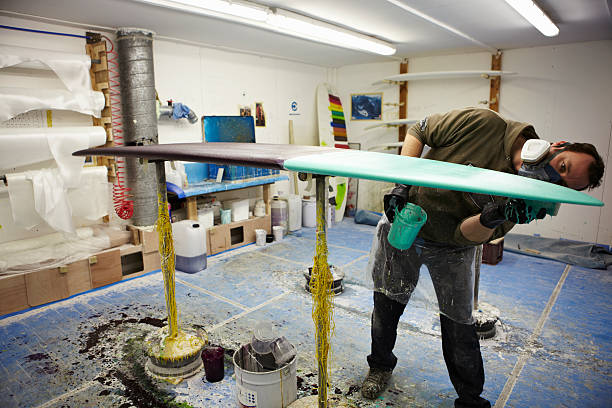
Off the board, he’s the same. Mellow, understated, more likely to be tinkering in his shaping bay or filming with his tight crew than seeking the spotlight. He lets his surfing do the talking, and brother, it screams. John John Florence represents a specific ethos: deep-rooted ocean knowledge fused with progressive, boundary-pushing performance. He took the aerial from a radical move to a fundamental vocabulary word, and in doing so, inspired a whole generation of groms to look at the lip not as the end of the wave, but as the launchpad for what comes next. He’s the quiet storm from the North Shore who forever changed how we ride waves.