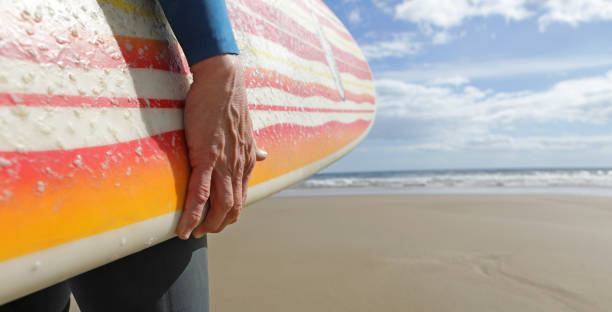
There’s nothing quite like that first early morning paddle out. The sun’s just cracking the horizon, the water’s glassy, and you’re zipping up your wetsuit, feeling that familiar second skin hugging you tight. But lately, that ritual has me thinking about what’s actually in that suit. We’re out there riding waves, drinking in the salt and the spray, worshipping the ocean with every drop of our being. And yet, the very gear that keeps us warm through winter dawn patrols comes with a hidden cost that’s hard to ignore. The wetsuit dilemma is real, and it’s time we talked about it with the same stoke we bring to a clean set.
Most wetsuits are made from neoprene, a synthetic rubber derived from petroleum. That means every time you pull on that snug suit, you’re wearing a product that not only relies on fossil fuels but also leaves a hefty carbon footprint during manufacturing. The production process involves chemical solvents, energy-intensive vulcanization, and the release of greenhouse gases. And once your suit starts to delaminate or get those inevitable knee holes? It heads to a landfill, where it will sit for centuries, because traditional neoprene doesn’t biodegrade. For a tribe of people who live to protect the ocean, that’s a serious bummer.
But the wave is changing. Over the last few years, a handful of surf brands have been paddling hard toward sustainability, and the options are way better than you might think. One of the biggest breakthroughs is limestone-based neoprene. Instead of using petroleum crude, manufacturers grind up limestone rocks to create a synthetic rubber that has a much lower carbon footprint. It’s just as flexible, just as warm, and it doesn’t stink of that chemical factory smell. Patagonia and O’Neill have both rolled out limestone neoprene wetsuits that perform like a dream while cutting emissions by nearly a third. That’s a solid wave to ride.
Then there’s the game-changer: natural rubber. Yulex, a plant-based rubber sourced from hevea trees, is now being used by a handful of eco-conscious shapers. These suits are 100 percent chlorine-free, biodegradable in the right conditions, and they actually feel softer against your skin. The trade-off? They tend to be a bit heavier and might wear out a little faster, but for the surfer who values the ocean’s health over marginal performance gains, it’s a righteous trade. Plus, you can feel good knowing your rubber came from a tree farm, not an oil well.
But sustainability isn’t just about what you buy. It’s about how you treat what you’ve already got. Most of us go through a wetsuit every year or two, but if you patch those seams, repair the zipper, and give it a proper rinse after every session, you can double its life. That’s fewer suits in the landfill and more waves in your pocket. Some shops even offer repair services or trade-in programs where old suits get recycled into wetsuit yoga mats, booties, or even new wetsuit panels. Next time you’re tempted to toss that favorite old spring suit with the blown-out knee, think twice. A little wax and a lot of glue can keep you in the water for another season.
And let’s not forget about the water. The chemicals used to produce standard neoprene often end up in local waterways, especially near factories in Southeast Asia. When we buy a wetsuit, we’re voting with our dollars. Choosing a brand that uses water-based adhesives, recycled materials, or a carbon-offset program sends a message that we care about the lineup from shore to reef. Companies like Finisterre, Quiksilver’s Green Label, and the aforementioned Patagonia are leading the charge. They’re proving that you don’t have to sacrifice performance for principle. That 4/3 hooded full suit can keep you toasty through a NorCal winter and still give you a clean conscience.
The bottom line is this: the ocean gives us everything. It gives us stoke, peace, freedom, and a reason to paddle out when the forecast looks grim. In return, we owe it a little love. By choosing a wetsuit made from limestone or natural rubber, by repairing instead of replacing, and by supporting brands that walk the walk, we keep our own carbon footprint small while still chasing the endless summer. Next time you’re suiting up for a dawn patrol session, take a second to feel that neoprene—or better yet, feel the Yulex. And remember, every wave you catch is a wave that’s worth protecting.