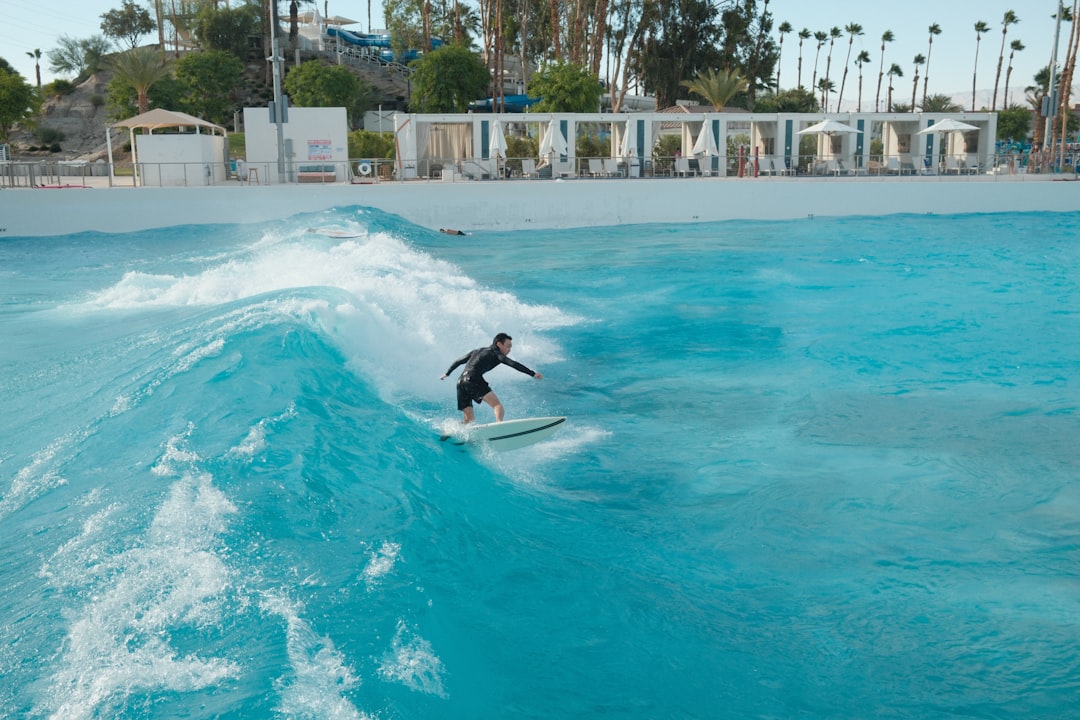
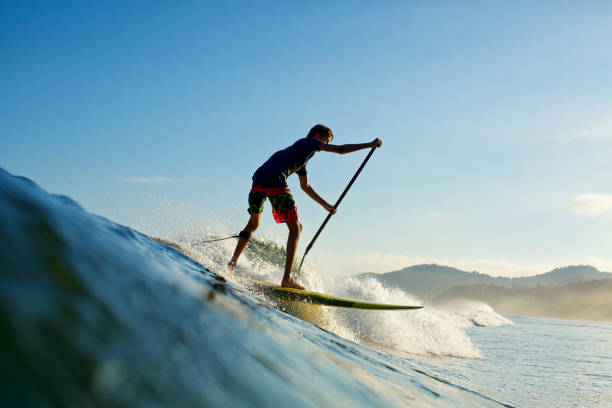
You’ve got the board waxed, the leash is strapped, and you’re buzzing to paddle out. But before you charge the lineup like a bull in a china shop, you gotta learn one thing that separates the kooks from the shredders: reading the ocean. The water ain’t just a flat blue sheet. It’s a living, breathing creature with moods, rhythms, and secret signals. If you learn to understand what the ocean is telling you, you’ll catch more waves, get pitched less often, and avoid embarrassing yourself in front of the salty locals. This is the grommet guide to reading the ocean like a true waterman.
First off, stop staring at the surface. The real story is underneath. Look for the sets. A set is a group of bigger waves rolling in together, separated by a lull. That lull is your golden ticket. When you’re sitting out the back and the water goes flat for a minute, don’t think the party’s over. That’s the ocean taking a deep breath before it exhales a proper set. Count the time between bumps on the horizon. If the interval is long, say ten or twelve seconds, those waves have traveled a long way and are packing serious energy. Short intervals, like five or six seconds, mean local wind chop and choppy, gutless surf. You want the long interval sets if you’re looking for a clean, lined-up wave you can carve on.
Now, check the swell direction. The ocean isn’t just a random soup of water. The swell comes from a specific angle, like northwest or southwest. That direction sets up the break. A northwest swell will fire on a south-facing beach, but maybe not. You gotta see where the waves are standing up and crumbling. Look for a peak, that spot where the wave starts to pitch and form a shoulder. The peak is where you want to position yourself. Paddle too far inside and you’ll get caught in the soup, that whitewater that’s just foamy chaos. Paddle too far outside and you’ll watch perfect waves roll past you while you’re stuck in the channel. The peak is the sweet spot.
Next up, read the tide. High tide can make a mushy, fat wave that’s slow and forgiving, perfect for a grom putting together their first bottom turn. But low tide can expose rocks, reef, and sandbars, creating hollow, fast barrels that pitch hard. If you’re still figuring out your pop-up, don’t paddle out on a low tide at a reef break. You’ll get hung up in the dry sections or worse, get a fin caught in the coral. Check a tide chart before you go. A rising tide is usually your friend because it fills in the wave face and smooths out the bumps. A dropping tide can get sucky and shallow, especially at beach breaks.
Watch the water color. Dark blue water that’s deep and clear usually means a swell is passing over a deep channel, and the wave will form farther out. Lighter, murkier water near the shore means sand is stirring up, which is common at beach breaks. If you see a patch of darker water that’s out of place, like a lazy river cutting through the whitewater, that’s a rip current. That’s not a death trap for a grom who knows what’s up. Rips are your friend. They pull you out to the lineup faster than paddling. Get in a rip, float with it, and you’ll be outside the break in no time, ready for the next set. Just remember, a rip is a river flowing out to sea, so don’t panic if you feel it sucking you out. Relax, let it carry you, and paddle parallel to the beach if you want to escape it.
Finally, look at the wind. Glassy, flat water is prime. Offshore wind, which blows from the land out to sea, holds the wave face up and makes it steep and clean. Onshore wind, which blows from the sea into the beach, crumbles the wave and makes it choppy and messy. If you see whitecaps and the surface looks like a washing machine, that’s onshore chop. Might be worth grabbing a sand session or a longboard until the wind switches.
The best groms don’t just stand up and ride. They study the ocean like a textbook. They watch where the last set broke, which side had a better shoulder, and how the current is pushing the lineup. Every wave tells a story. The drop, the wall, the section, the reform. If you listen to the ocean, it will show you exactly where to be and when. Wax up, paddle smart, and let the ocean be your teacher. The more you read her, the more she gives you speed, flow, and glory.