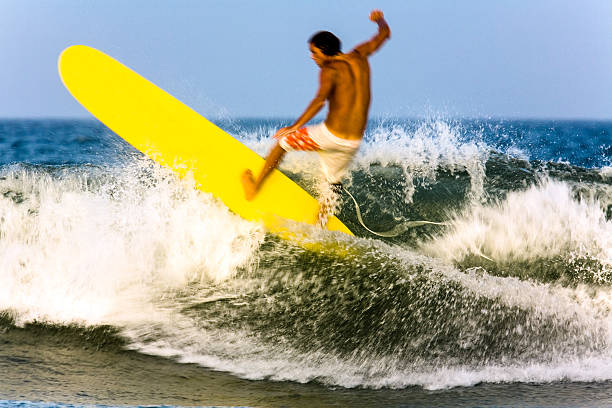
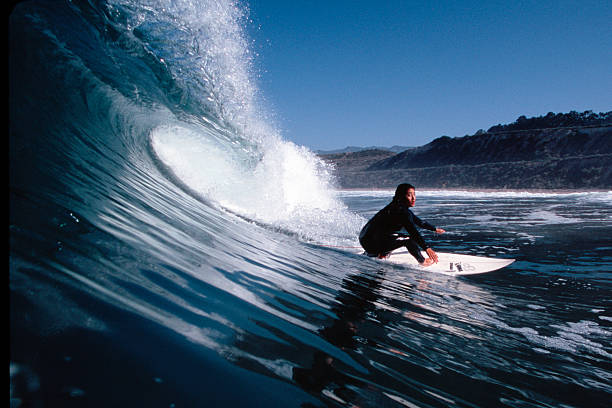
Every surfer knows the burn – that searing sensation in your shoulders and lats as you stroke for a set wave, only to watch it jack up and close out right in front of you. You paddle harder, arms spinning like windmills, but the wave slips past, leaving you bobbing in the whitewater with a wicked case of foam in the face area. The truth is, paddling power ain’t just about raw strength or how many push-ups you can crank. It’s about reading the ocean’s rhythm and adjusting your stroke to match the exact personality of each wave. You wouldn’t use the same approach to catch a feathery six-foot point wave as you would a dumpy beach break slab. That’s where the subtle art of wave-specific paddling comes in, and once you dial it in, you’ll find yourself sliding into waves you used to miss without ever breaking a sweatier pace than necessary.
First off, let’s talk about the difference between a longboard glide and a shortboard scratch. On a heavy log, you can get away with a lazy, methodical stroke because the board’s foam does half the work for you. But on a performance shortboard with a ton of rocker, you’re essentially swimming uphill. For steep, hollow waves like a sucky reef pass or a wonky sandbar that jacks up fast, you need what I call the explosive burst. This is where you drop your chest toward the deck, keep your elbows high, and fire off a rapid sequence of shorter, angular strokes. The key is to dig your fingers slightly and cup the water with your entire palm, pulling all the way to your hips, then recover your arms in a quick, snappy arc rather than letting them drag. You’re not trying to build sustained speed – you’re trying to match the wave’s sudden pitch. Get your board’s nose pointed slightly down the face, not straight at the beach, and use those staccato bursts to punch through the foamy lip as it pitches in front of you. The moment you feel the wave grab your fins, switch to a low, tucked position and glide.
On the flip side, for soft, rolling point breaks or mushy summertime junks, that same explosive style will just wear you out and actually stall you out. These waves require a patient, gliding cadence. Think long, luxurious strokes with a deliberate pause between each pull. Let the board’s momentum carry you forward, and keep your body absolutely still from the waist down. Lightly feather your feet and keep your hips centered so you don’t create drag. You’re hunting for that delicate moment when the wave’s energy starts to push against your tail – that’s your signal to easing off the throttle. If you keep stroking hard into a soft wave, you’ll often shoot past the shoulder or bury the nose. Instead, use three or four powerful pulls, then lift your hands and just trim. The board will naturally align with the wave’s face like it knows where to go, and you’ll feel that sudden lurch of acceleration that means you’ve caught the green room door ajar.
Another huge factor is your body positioning during the paddle – and I don’t just mean your chest up, arch your back like your high school coach told you. I mean shifting your weight laterally to account for the wave’s angle. When you’re paddling toward a wave that’s breaking to your left, most groms make the mistake of keeping their body square with the board. Instead, shift your hips slightly to the right, press your inside rail down a touch, and angle your paddle strokes across your body to match the wave’s line. This lets you intercept the wave at a shallower angle, which means you don’t need to generate as much raw forward speed. You’re letting the wave’s lateral push do the heavy lifting. This tiny adjustment, which I call the rail-trim paddle, has saved my sorry butt more times than I can count, especially when the waves are steep and the tide is pushing hard against the bank.
Finally, don’t sleep on the mental game of paddling power. Fatigue makes you sloppy, and sloppy paddling misses waves. Before you even start stroking, take a quick breath and exhale fully, then drop your head slightly and swim with your eyes on the horizon. I know it sounds granola, but wave-specific paddling is as much about tempo as it is about technique. Learn to feel the pulse of the set, the lull between swells. Stroke during the lull to get into position, then hold your breath and still your body as the wave approaches. The less unnecessary movement you make in those final seconds, the more power you save for the crucial moment when the wave tilts up. So next time you’re sitting in the lineup, take a pause and read the wave’s character before you flick on the motor. Match your stroke to its mood, and you’ll be scratching in beautifully where everyone else is eating foam.