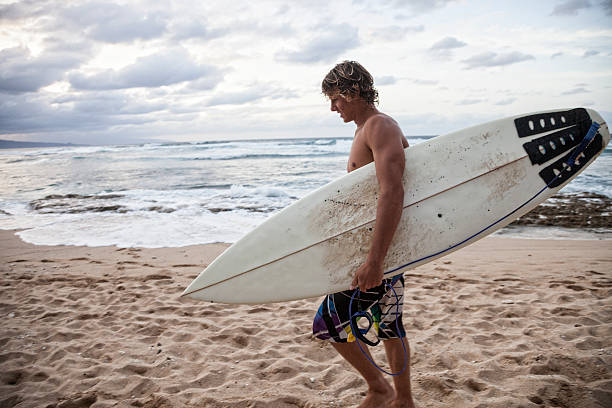
You can’t talk about surf culture without feeling its rhythm and seeing its colors. It’s more than just riding waves; it’s a whole vibe, a sensory experience where the reverb-drenched twang of a guitar meets the sun-bleached, curve-of-the-wave aesthetic on a canvas or a board. Surf music and art aren’t just accessories; they’re the heartbeat and the visual language of the lifestyle, capturing the stoke, the solitude, and the sheer joy of chasing the sun.
Let’s kick it off with the sound. Real surf music, the instrumental kind that burst out of Southern California garages in the early ‘60s, is the sound of the wave itself. Think Dick Dale and his Del-Tones, the King of the Surf Guitar, cranking up the reverb on his Fender to mimic the roar of a pounding shorebreak at The Wedge. That frantic, percussive picking? That’s the adrenaline rush of a late drop. The melodic, flowing lines of bands like The Ventures? That’s the soul glide of a longboard on a mellow point break. This wasn’t music to sit and listen to; it was the fuel for beach party bonfires, the soundtrack to checking the dawn patrol swell, and the essence of what it felt like to be young, free, and connected to the ocean’s power. It’s pure, wave-riding energy translated into sound.
Then you’ve got the art. Classic surf art isn’t about painting a photorealistic portrait of a surfer. Nah, it’s about capturing the feeling. It’s the bold, clean lines of Drew Brophy’s board art, the vibrant, almost spiritual swirls of ocean energy in the work of Andy Davis. It harkens back to the legendary John Severson, who started Surfer magazine and filled its early pages with his paintings and cartoons—art that was less about technical accuracy and more about the humor, the camaraderie, and the sublime moments of being in the green room. This art lives on everything: on the decks of surfboards as personalized expression, on the walls of your favorite surf shop, on t-shirts faded by salt and sun. It’s a visual shorthand for the lifestyle, all curved lines, deep blues, and warm, sunset yellows.
Together, this music and art form the cultural backbone. They’re what you consume when you’re landlocked, dreaming of the next session. Throwing on a classic surf instrumental track can transport you straight to the parking lot, waxing your stick with the smell of salt in the air. A piece of surf art on your wall isn’t just decoration; it’s a daily reminder of where your soul feels most at home—in the lineup.
This creative spirit is the glue of the global surf tribe. It’s the shared language that connects a grommet in Portugal with a soul surfer in Java. You see a certain style of painting on a van or hear the familiar twang of a surf riff, and you instantly know you’re in the presence of a fellow traveler on this endless summer journey. It celebrates the roots—the wooden longboards, the woody wagons, the clean style of the ‘60s—while constantly evolving, just like surfing itself.
So next time you’re tuning your board or planning a surfari, crank up some reverb and take a moment to appreciate the art on your board’s deck. This culture is a full-sensory gig. It’s the sound of the swell arriving and the color of the sky at glass-off. It’s the endless creative expression of a life built around, and inspired by, the perfect curve of a wave. Keep the vibe alive.