The Arena in the Ocean: Why Surf Contests Are the Heartbeat of Surf Culture

Forget the postcard. Forget the zen-like image of a solitary soul gliding across a glassy face at dawn. That’s one beautiful side of the coin, for sure. But flip it over, and you’ll find the raw, electric, and utterly compelling world of the surf contest. This is where the soulful art of riding waves collides head-on with the primal thrill of competition, and it’s a spectacle that’s as much a part of surfing’s DNA as wax on a board.

At its core, a surf contest is a simple premise: the best surfer in the best waves wins. But anyone who’s ever paddled out in a jersey knows it’s anything but simple. It’s a high-stakes chess match played on a liquid, moving board. It’s about strategy, wave selection, and performing under the pressure of the clock and the eyes of the world. You’re not just surfing; you’re competing. The ocean is no longer just your playground; it’s your arena. The vibe shifts from mellow to intense, and every maneuver, every turn, every barrel is a statement.

Let’s talk about the scene. The contest zone is a buzzing hive. On the beach, the announcer’s voice crackles over the PA, breaking down heats and scores. The smell of sunscreen and competition wax hangs in the air. In the water, it’s a different kind of lineup etiquette. The priority system rules here—it’s a civilized way to avoid the snake-fest it could become, giving the surfer with the right-of-way a clean shot at a set wave. Watching a top-tier pro work this system is a masterclass in itself. They’ll sit wide, they’ll sit deep, they’ll use every ounce of ocean knowledge to position themselves for that one magic wave that could deliver a perfect 10.

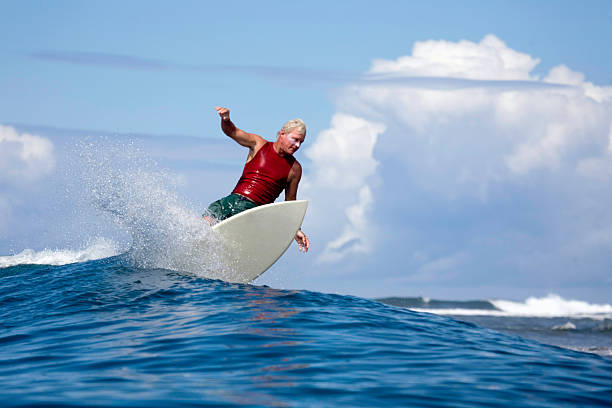
And the surfing? It’s next-level. This is where progression happens. In a 30-minute heat, you’ll see athletes push the boundaries of what’s possible. Huge, carving turns that throw buckets of spray. Aerial maneuvers that seem to defy physics, launched from the lip with pinpoint precision. And of course, the ultimate prize: getting shacked. A deep, cover-up barrel ride is the holy grail of any heat, a moment of pure, tube-time magic that often seals the deal. The judges are looking for it all: commitment, degree of difficulty, innovation, and style. It’s not just about pulling a trick; it’s about how you link it all together on a moving canvas of water.

But beyond the elite level of the Championship Tour, surf contests are the glue of local communities. From the small-town club comps at your home break to the big-money Qualifying Series events, they’re a gathering. They’re where groms get their first taste of competition, wide-eyed and stoked just to wear a jersey. They’re where local legends are crowned and where the crew comes together to cheer on their own. The car park becomes a festival—boards leaning against vans, stories being swapped, everyone analyzing the conditions and the performances. It’s a celebration of the spot and the people who ride it.

So yeah, surfing is about the individual connection with the ocean. But the surf contest is about the shared passion. It takes that deeply personal experience and puts it on display, turning it into a collective, breath-holding, cheer-worthy drama. It gives us heroes, creates legends, and writes the ongoing story of our sport. It’s the clash of passion and performance, where every cutback counts and every heat tells a story. In the end, surf contests remind us that while the ocean is our temple, sometimes, it’s also our stadium. And there’s nothing quite like the thrill of the game.
Related Posts

Live Surf Cams

Surfline Live is a 24/7 glimpse into the world’s surf.

This stream moves through Surfline's global camera network, showing spots where it’s daylight and rated Fair or better.

What's The Deal With...?

Legendary Surf Spots

What makes Kauai a unique wave destination compared to other Hawaiian islands?

Kauai’s magic is its raw, lush vibe. While the North Shore of Oahu gets the crowds, the Garden Isle offers a more rugged, soulful experience. You’ve got powerful reefs like Hanalei Bay and secret spots down the winding coastline. The trade winds are consistent, and the backdrop of emerald cliffs is unbeatable. It’s less about the scene and more about connecting with powerful, island-style waves. Just remember, respect goes a long way here—this is a heavy, local lineup, so paddle out with aloha and solid ocean knowledge.

Where’s the best place to soak up the North Shore culture after a session?

Head to Haleiwa town. Grab a plate lunch from a food truck, check the surf shops for legends swapping stories, and just cruise the laid-back, rustic vibe. The real culture is in the parking lots, watching the sunset with salty hair, and the unspoken bond between everyone who tackled the ocean that day. It’s a mix of pure stoke and exhausted satisfaction that you just don’t get anywhere else.

Which breaks should I check out depending on my skill level?

Beginners, head for Inch Strand on a mellow day—a huge sandy beach with forgiving rollers. Intermediate surfers can explore Brandon Bay’s variety, like the fun beach break at Maharabeg. When it’s pumping, experts chase the legendary reef and point setups around the Blasket Islands or Coumeenoole. Always, and I mean always, get a local forecast and check with the surf schools about conditions. Tides and winds shift radically here, turning a playful spot into a heavy closeout in no time. Local knowledge is your best piece of equipment.

Surf History & Legends

How did female surfers change the design of the surfboard?

They pushed for equipment that actually worked for them! Historically, women just rode smaller versions of men’s boards. The game-changer was Lisa Andersen in the ’90s; her powerful, carving style demanded high-performance shortboards with different flex patterns and refined outlines to suit a typically lighter frame. This led shapers to consider a wider range of dimensions and materials, making high-performance gear accessible to all surfers, regardless of size or strength.

How has women’s surfing style evolved over the decades?

From graceful nose-riding on longboards in the ’60s to today’s full-throttle power carves. Early style was often about poise and trim. Then, in the ’90s, Lisa Andersen revolutionized everything with an aggressive, rail-to-rail approach borrowed from the guys, but with her own fluid grace. Today, you see a beautiful blend: the powerful, progressive maneuvers of Carissa Moore mixed with the effortless flow of Steph Gilmore. It’s about powerful expression, not just imitation.

What Happened to Surfing When Westerners Arrived?

Missionaries and colonists nearly wiped it out, which is a heavy chapter. They saw the nearly-naked, sport-loving culture as sinful and lazy. By the late 1800s, surfing was in serious decline. Thankfully, a few Hawaiians kept the flame alive at spots like Waikiki. Legends like Duke Kahanamoku then took that flame and became the “Father of Modern Surfing,“ sharing stoke worldwide. The ancient spirit of he’e nalu survived, and we owe our whole modern lifestyle to that resilience.