Forget the rulebook, because there isn’t one. What we have out in the brine is something deeper, something passed down with a nod and learned the hard way when you blow a drop-in. Surf etiquette isn’t about a list of chores; it’s the sacred code that keeps the lineup from turning into a chaotic, dangerous free-for-all. It’s about respect—for the ocean, for your fellow surfers, and for the sheer stoke of the ride itself. Ignore it, and you’re not just committing a faux pas, you’re becoming a hazard and earning a reputation that’ll follow you from break to break.
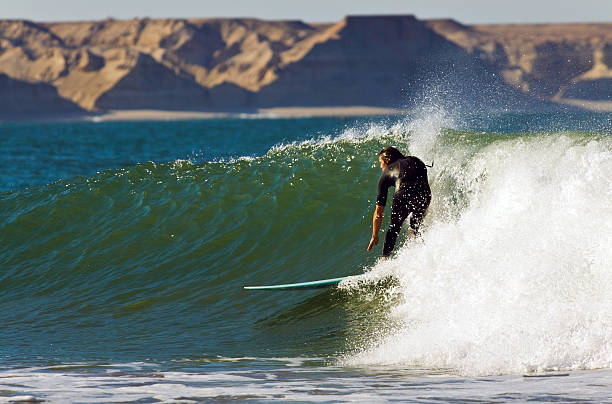
It all starts with the drop-in. This is the cardinal sin, the number one way to burn your karma in the water. The surfer closest to the peak—where the wave is first breaking—has the right of way. They’re in the pocket, they’ve committed, the wave is theirs. Paddling for that same wave and taking off in front of them, or “dropping in,“ isn’t just bad manners; it’s dangerous and a surefire way to ruin someone’s wave, or worse, cause a nasty collision. If you hear a yell, it’s probably for you. Pull back, apologize, and wait your turn. The universe, and the lineup, will pay you back.
Getting to that peak requires navigating the paddle out. Don’t be the kook who paddles straight through the heart of the lineup, cutting across everyone’s path as they’re riding. It’s like walking across the middle of a football game. Paddle wide, around the shoulder of the breaking waves. If you do find yourself in the path of a rider, it’s your job to get out of the way, not theirs to avoid you. A quick duck dive or a determined paddle to the whitewater is the move. And for the love of all that is hollow, never, ever let go of your board. A loose board is a missile, a “board salad” waiting to happen. Hold on through the whitewater, even if it means taking a few on the head. It shows control and awareness.
But etiquette goes beyond just the mechanics of catching waves. It’s about the vibe. Snaking—paddling around someone to position yourself inside them for the right of way—is a weak move. Don’t do it. Hogging every wave, even the smaller ones, makes you a wave hog. Share the stoke. If you’re a beginner, be honest with yourself. Don’t paddle out to a heaving, crowded reef break when you’re still learning to pop up. Find a mellow whitewater beach break and get your reps in without getting in the way or putting yourself in danger. Respect the locals. They’ve put in their time, they know the break’s moods and secrets. A little humility goes a long way.
Ultimately, this unwritten law is about understanding that the ocean is the boss. We’re all just visitors in her house. Respecting each other is how we respect her. It’s about keeping the lineup safe, the sessions fun, and the energy positive. It’s acknowledging that the best wave of the day isn’t the one you steal, but the one you earn, and sometimes, the one you let go for someone else who’s been waiting. Because when everyone plays by these simple, unspoken rules, that’s when the magic happens. The lineup flows, everyone gets waves, and we all walk up the beach with that same saltwater grin. That’s the real soul of surfing. Now go paddle out, do the right thing, and get shacked.