Let’s be real. In this digital age, your phone is a bottomless pit of surf clips, forecasts, and hot takes. It’s all there, a firehose of content. But for the core surfer, the one who eats, sleeps, and breathes this lifestyle, there’s still nothing that hits like a proper surf mag. It’s not just reading; it’s a ritual. You grab it from the rack, smell that fresh ink, and dive into a world curated by people who actually know which end of a board is the nose. Surf magazines are the bedrock, the constant drip keeping the culture informed, inspired, and connected. They’re your paper pipeline to the stoke.
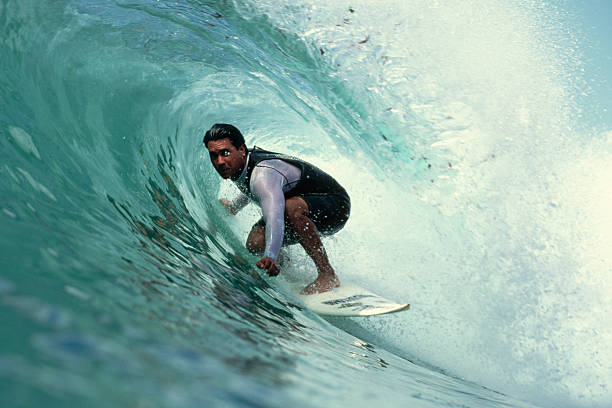
Think about it. Before you ever paddled out, what hooked you? For many of us, it was the images. Not a fleeting, scrollable Instagram square, but a full-page, glossed-out shot of a tuberider deep in the green room, or a sweeping aerial of an empty point break winding to the horizon. Magazines like Surfer, Surfing, and Tracks (down in Australia) didn’t just show you surfing; they framed it as art and adventure. They were the original dream factories. They taught us the geography of desire: Pipeline, J-Bay, G-Land, Tavarua. They introduced the characters—the icons like Gerry Lopez and Tom Curren, the underground chargers and the soulful free-surfers. They gave us the context, the history. You learned that Kelly Slater wasn’t just a guy who won a lot, but the culmination of decades of progression. That’s the stuff you don’t get in a 15-second reel.
But it goes way deeper than just pretty pictures. This is where you get the meat and potatoes, the no-nonsense info that actually makes you a better surfer. The technique breakdowns. The gear guides that actually explain why a board’s rocker or fin setup works for certain waves. When a new shaper or a weird new design like a twin fin or a mid-length starts making noise, the mags dig in. They’ll have the interviews, the testing, the real feedback from guys who surf for a living. You’re not just buying a product; you’re getting an education. It’s like having a wise old local or a legendary shaper break it down for you, page by page.
And then there’s the travel. The endless chase. Magazines have always been the ultimate source for the where. They’re the treasure maps, often deliberately vague to protect spots, but dripping with enough detail to fuel a thousand daydreams. They tell the stories of the missions—the potholed roads, the sketchy boat trips, the euphoria of scoring an empty wave you’ve only ever read about. They capture the vibe of a place, not just the wave. The local culture, the food, the characters on the beach. They remind us that surfing is an exploration, a way to see the planet from the lineup perspective. They keep the spirit of The Endless Summer alive in every issue.
Most importantly, surf mags are the glue of the community. They document the culture’s heartbeat—the controversies, the environmental fights, the rising groms, the losses of legends. They give a platform to voices that matter, from activists fighting for clean water to artists shaping our visual language. In a world of algorithm-driven feeds, a surf magazine is a tangible, curated collection of what’s important right now to the surfing world. You can take it to the beach, get sand in the pages, pass it to a mate in the car park. It’s a shared artifact.
So yeah, you can get your daily hit online. But to stay truly informed, to feel the pulse of the culture, and to keep that dream of the next perfect wave alive, you’ve got to tap into the source. Grab a mag, flip the pages, and let it take you somewhere. The forecast might be on your phone, but the soul of surfing is still in print. Keep that stoke alive.