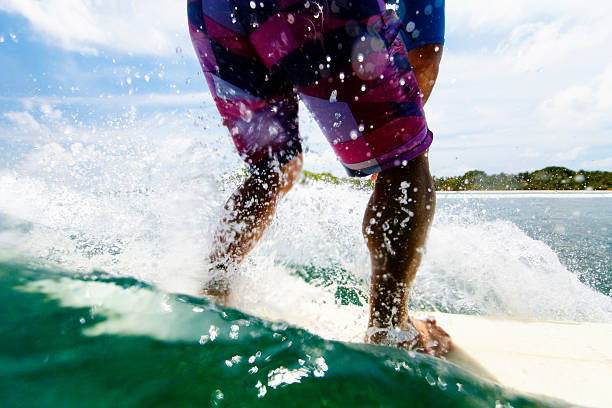
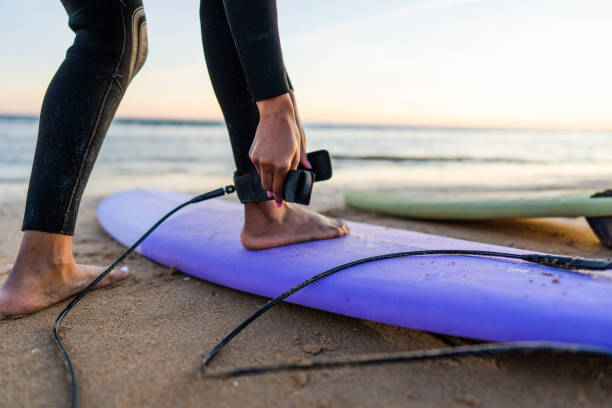
There’s a certain kind of peace that comes with a perfect sunrise paddle-out. The glass is flat, the wind is dead, and the only thing between you and that first clean face is the quiet hum of your board on the water. But if your rubber is fighting you—if that 4/3 is squeezing the life out of your shoulders in sixty-degree water, or if you’re shivering through the third hour of a long summer swell—that peace gets replaced by a different kind of hum: the chatter of your own teeth. Picking the right wetsuit for the conditions isn’t just about staying warm. It’s about staying loose, staying out longer, and staying in the rhythm of the wave. It’s the unsung art of the surf gear quiver, right up there with choosing the right fin setup or the right board for a given break.
Let’s talk about the layer you’re living in. The wetsuit is a second skin, and just like your actual skin, it needs to breathe, stretch, and adapt. The classic mistake is thinking one suit does it all. You wouldn’t paddle a gun in waist-high mush, so why would you wear a thick, stiff winter hooded suit in fifty-five-degree water on a sunny, calm morning? The answer is you wouldn’t, not if you want to feel the water and read the face of the wave. The key is to think in terms of a quiver of rubber, just like you think of a quiver of boards. You need a spring suit for the butter-warm days, a step-up for the shoulder seasons, and a full-on winter rig for the cold, powerful swells that roll in from the deep.
For those balmy summer sessions when the water hits the mid-seventies or even low-eighties, a full suit is overkill. You want a short john, maybe a spring suit with short arms and short legs, or just a simple rash guard and board shorts if the sun is high and the water is warm enough. This is where the freedom of movement is at its peak. You’re not fighting the suit; you’re flowing with the wave. The rubber is minimal, the seals are loose, and you can feel every subtle shift in the current. It’s the closest thing to surfing naked, but with a little more sun protection. Don’t underestimate a good chest-zip or back-zip spring suit, either. A thin 2mm or 1.5mm layer on a cool, breezy dawn patrol can be the difference between a glorious session and a chilly exit after thirty minutes.
When the mercury drops and the wind starts to bite, you start thinking about the sweet spot. That’s the 3/2 fullsuit. It’s the goldilocks of the wetsuit world—not too thick, not too thin, just right for most temperate climates. A good 3/2 with flexible Yamamoto neoprene and a smoothskin chest panel will keep you comfortable when the water is in the mid-fifties to low-sixties. The trick here is the fit. It has to be snug but not restrictive. You want a seal at the neck, wrists, and ankles that keeps the cold water from flushing in, but you don’t want it so tight that your paddle stroke is compromised. This is where the art of the layer comes in. A thin neoprene vest underneath can add a few degrees of warmth without the bulk. Or, if the wind is howling, a smoothskin cap or a hooded vest will change the entire session.
When the water really drops into the forties and the air is cold enough to see your breath, you’re in full winter rig territory. That means a 5/4 or even a 6/5/4 hooded suit. This is not a place for compromise. You need a suit with a good chest zip for easy entry and a gasket seal on the neck that stops the icy flush. You need taped seams, flexible panels in the shoulders for paddling, and a warm, reliable core. The hood is critical—a good hood with a low-profile design that doesn’t block your peripheral vision can make all the difference when you’re duck-diving a cold, heavy set. And don’t forget your boots and gloves. A 5mm or 7mm boot with a reliable sole keeps your feet from going numb on a long paddle, and 5mm mittens or gloves keep your fingers functional for that critical last few seconds before you pop up. Every millimeter counts.
The real unspoken rule is care. A wetsuit is an investment, and it’s an investment in your own comfort and stoke. Rinse it with fresh water after every session, hang it in the shade, and avoid folding it in a way that cracks the neoprene. A suit that’s dried out and brittle is a suit that doesn’t flex, and a suit that doesn’t flex robs you of that effortless flow. When you treat your rubber right, it treats you right, session after session, from the dawn patrol to the dying light.
At the end of the day, it’s all about staying in the water. The wave doesn’t care what you’re wearing, but your body does. A good wetsuit is like a good friend on a long road trip—it doesn’t demand attention, it just quietly handles the conditions so you can focus on the ride. So dial in your rubber, chase that endless summer, and surf longer.