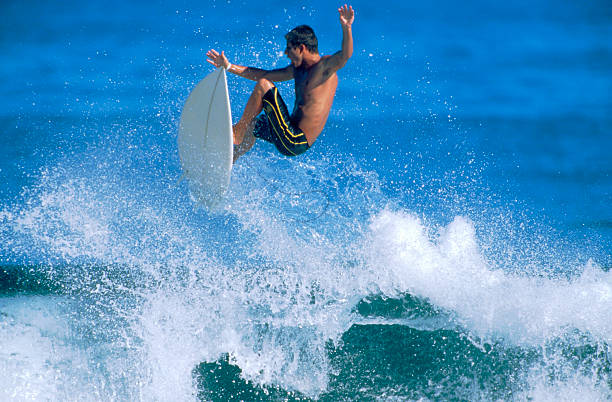
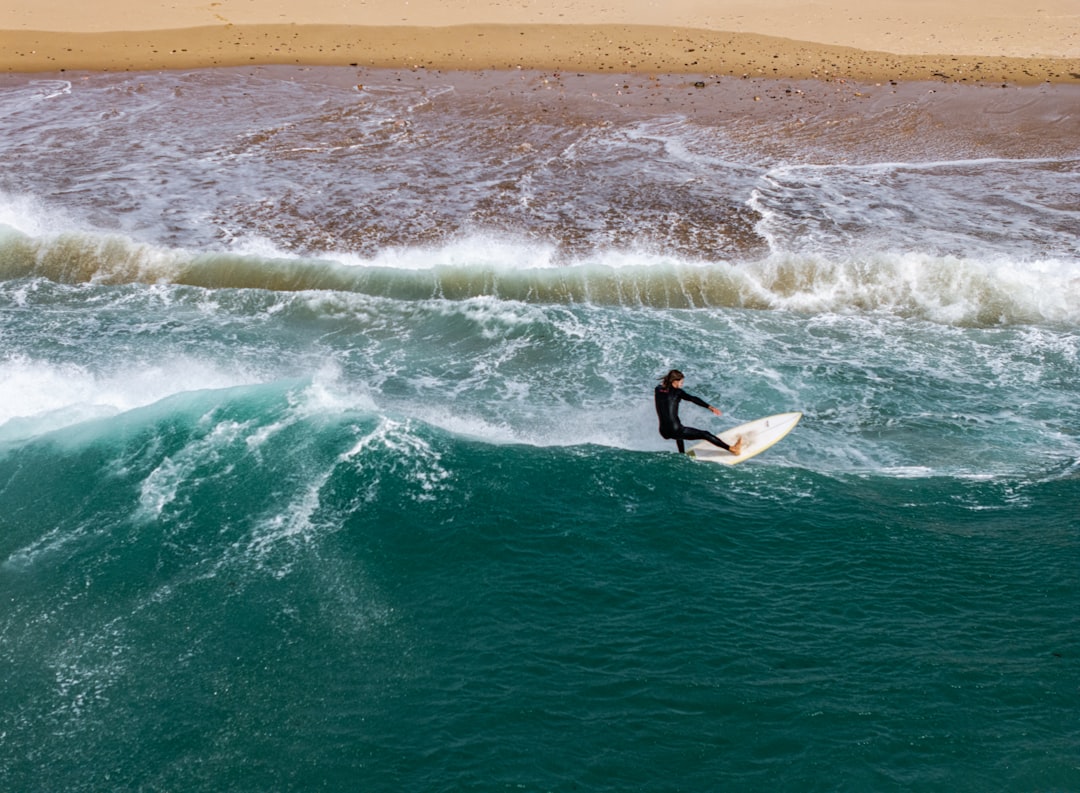
There’s a certain magic that happens when the sun cracks the horizon and the ocean turns to glass. It’s that fleeting moment every surfer chases, the one that makes all the early mornings, the paddle-outs in the dark, and the beat-downs in the shorebreak worth it. Back in 1972, a film crew from Australia captured that magic better than anyone ever had before. They weren’t trying to make a contest reel or a highlight clip of the world’s best ripping. They were chasing something deeper, something spiritual. The result was Morning of the Earth, and for those of us who live for the ocean, it remains the gold standard of how to tell a surf story without saying a single word on camera. It’s not just a documentary; it’s a meditation on the endless search for the perfect wave and the perfect life that comes with it.
Before this film hit the screen, most surf flicks were all about stunts. Guys like Bruce Brown had laid the groundwork with The Endless Summer, a travelogue that celebrated the wanderlust of two surfers circling the globe. That was huge, no doubt. But Morning of the Earth took a different approach. Instead of chasing different breaks around the world for novelty, directors Alby Falzon and David Elfick decided to slow the whole thing down. They focused on the surfers themselves, not as athletes, but as human beings who had simplified their lives to live as close to the ocean as possible. The crew traveled up the coast of Australia, Bali, and Hawaii, sleeping on beaches, eating fish they speared, and waking up every single day to see what the swell had delivered. It was a lifestyle documentary before the term “lifestyle” became a marketing buzzword. It captured a moment in time when surf culture was still raw, tribal, and free from the shine of corporate money.
The really heavy part about this film is how it uses silence and music to tell its story. There are no voice-overs explaining who is who or why this wave matters. You just watch the surfers paddle into these pristine, empty line-ups and ride for what feels like forever. The soundtrack, written and performed by local Australian musicians like G. Wayne Thomas, became legendary in its own right. The song “Morning of the Earth” sets the tone from the opening frame. It’s a slow, dreamy acoustic track that wraps around the visuals like a warm offshore breeze. When Nat Young drops into a deep, hollow Banzai Pipeline wave, you don’t need an announcer yelling about the danger. You feel it in your gut. The ocean speaks for itself. That’s the genius of the approach. The directors trusted the audience to understand that surfing is a private conversation between a person and the sea.
For anyone who has ever sat on a board and watched the sun come up, this film feels like home. It captured the simple truth that the best sessions aren’t always the biggest or the most technical. Sometimes the best session is the one you share with a couple of friends at a quiet point break, with no one else out, and the water so clear you can see the reef below. The film has scenes where the surfers are just hanging out, building fires, cooking fish, laughing. It respects the downtime as much as the action. That’s the real obsession story here. It’s not about fame or glory. It’s about the obsession to strip everything away and just live for the next tide.
The legacy of Morning of the Earth is still rippling through the culture today. Every surf travel flick that tries to capture a vibe, every film that puts the lifestyle before the competition, owes a debt to this one. It taught us that a surf documentary doesn’t have to be loud or fast to be powerful. It can be slow, deep, and full of soul. It can honor the ocean as the main character. For those of us who still believe in the endless summer, this is the film that reminds us why we paddle out every single time. It’s not about the barrels. It’s about the waking up, the first light, and the promise of a clean swell on the horizon.