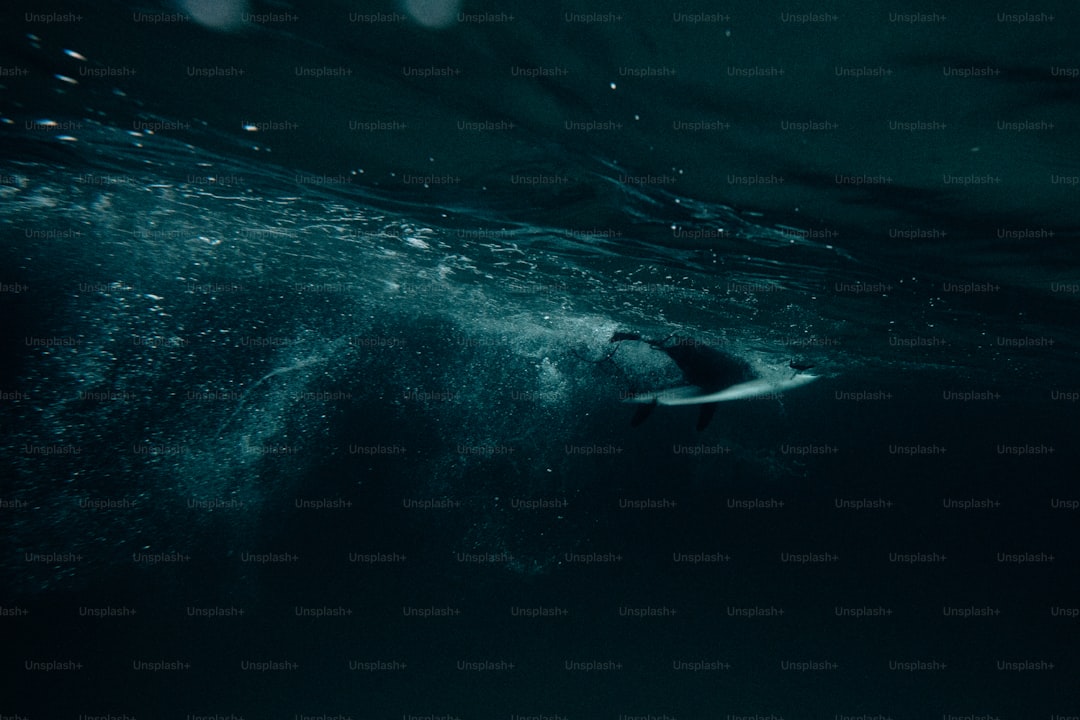
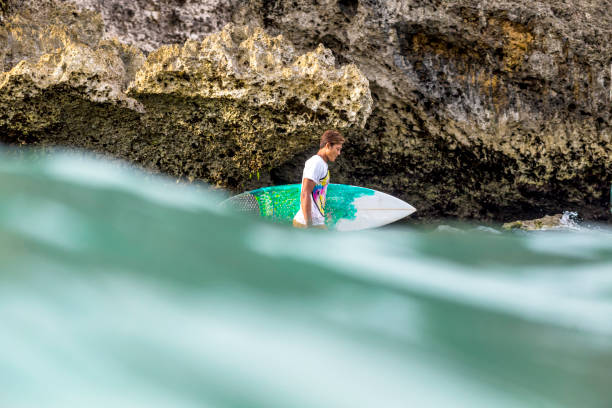
You paddle out for the first time at a new break and you feel it before you see it. That subtle shift in the water. A quiet hum of tension that runs through the lineup like a pulse. The guys on the older logs are already watching you from behind their shades, sizing you up without saying a word. You are the new guy. The kook in foreign waters. And before you get a single wave, you have to earn your spot in the tribe.
Every surfer knows this feeling. That moment of paddling through the channel, heart thumping harder than your arms are working, hoping you don’t blow it on the first wave that comes your way. Because in surfing, the lineup is more than just a place to sit and wait for sets. It is a living, breathing community with its own unwritten rules, its own rhythm, its own soul. And finding your tribe means learning how to read that rhythm without stepping on toes.
The first thing you figure out is that the pecking order isn’t about ego. It is about respect. The local surfers who have been charging this break for years, through flat spells and hurricane swells, have earned their place. They know the sandbars, the rip currents, the way the reef shifts after a big storm. They know which takeoff zones work on a south swell versus a north groundswell. That knowledge is currency in the lineup. And the currency is spent in waves.
So when you paddle out as the new face, you check your ego at the water’s edge. You sit wide, away from the peak, and you watch. You watch how the sets roll in. You watch how the locals position themselves. You watch who gets the inside position and who waits for the cleaner, outside bombs. And you do not drop in on anyone. That is the cardinal sin. The fastest way to get yourself talked to on the beach or worse, ignored completely in the water. Because nothing kills stoke faster than a guy who thinks he can take whatever wave he wants without paying his dues.
But here is the beautiful thing about surf tribes. If you show up consistently, with a humble heart and a good vibe, the walls come down. It might take a session. It might take a season. But one day, you will be sitting out during a lull and a local will paddle over and nod. You will share a quiet acknowledgment of the swell. Maybe he will offer a little beta on where the wave is pitching best. And just like that, you are a little less invisible. You are becoming part of the community.
The tribe is what makes surfing so much more than a sport. It is the dawn patrol crew who greets you with a sleepy grin at five in the morning. It is the older guy in the parking lot who hands you a beer and tells you about the time he surfed Uluwatu back in the seventies. It is the pack of groms hooting for each other on a waist-high day like it is Pipeline in a twenty-foot swell. The tribe holds the stoke. It passes down the knowledge. It keeps the culture alive.
And the tribe is patient. It knows that everyone was a beginner once, a bobbing cork in the whitewater, taking waves on the foam. It knows that the journey from kook to local is paved with wipeouts and close calls and humble apologies. The tribe does not care about your job or your car or your brand-new custom board. It cares about your vibe. It cares about whether you smile when you get caught inside. It cares about whether you share a wave or hog the peak. It cares about whether you treat the ocean and the people in it with respect.
So when you find your tribe, hold onto it. Because these are the people who will paddle over when you are exhausted and get pushed under a set. They are the ones who will pull you into a barrel or hoot you into a bomb that you were too scared to take alone. They are the ones who make the flat days bearable and the epic days unforgettable. The tribe is not just the lineup. It is the parking lot after the session. It is the taco stand where you recount the best wave of your life while salt crusts on your skin and the sun dips below the horizon.
Finding your tribe takes time. It takes patience. It takes more humility than most of us are born with. But when you paddle out one morning and realize you are no longer the new guy, that the eyes on you are no longer sizing you up but welcoming you in, you will know. You belong. The tribe has accepted you. And that feeling, brother, is the true endless summer.