The alarm goes off at 4:45 AM, and for the uninitiated, that sound is a punishment. For those of us who have chosen this path, it is a siren call. It is the sound of possibility, of salt on the skin, of a world that has not yet been touched by the noise of the day. You roll out of bed, not because you have to, but because you know what is waiting for you out there in the dark. This is the dawn patrol, and it is the single most profound expression of surfing as a lifestyle choice rather than a hobby.
In the community, we talk about the stoke, about the rush of a good barrel or the glide of a clean rail-to-rail carve. But the real test of commitment is not the wave you catch at midday when the sun is high and the parking lot is full. The real test comes in the predawn hours, when the rest of the world is still dreaming. This is where the lifestyle reveals itself. You are not just choosing to surf. You are choosing to redefine your relationship with time itself.
The drive to the break is a meditation. The roads are empty. The air is cold and sharp, carrying the faint metallic tang of the ocean long before you see it. You sip your coffee in the dark, listening to the low rumble of the swell hitting the reef. You pull into the lot and there are only a few other cars, the telltale sign of the dedicated. There is no rush for position here, only a shared understanding. You are all part of the same pact you made with the sea.
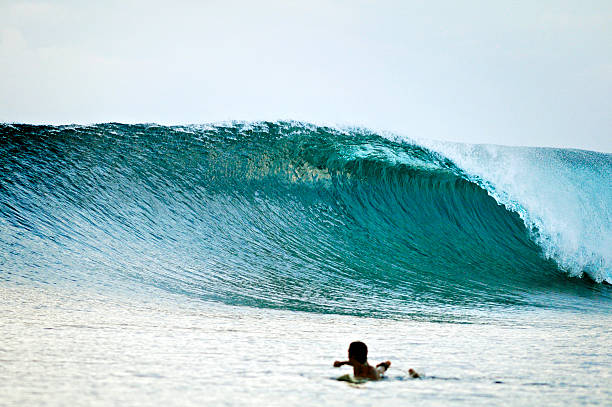
There is a reason why the old school guys say the best session is the one you almost missed. It is not just a line. It is a truth baked into the marrow of this life. When you paddle out before the sun breaks the horizon, the ocean is yours in a way it never will be again later in the day. The wind is still, the surface is glass, and the swell pulses through the water with a raw, unforced energy. These are the glass-off conditions that the postcards try to capture but never can. The water feels thicker, heavier, more alive. You sit on your board and bob in the dark, looking back at the shore where the lights of the houses flicker like distant stars. For a few moments, nothing else exists.
Some people think this is about the adrenaline. They think we chase the biggest sets or the heaviest waves. But the dawn patrol is not about the size of the wave. It is about the size of the commitment. It is about the decision to prioritize a quiet hour in the water over an extra hour of sleep or a tidy morning routine. It is a choice to let the tides dictate your schedule, not the other way around. That is the essence of the surfing lifestyle. It is not a vacation from your real life. It becomes your real life.
And there is a deeper truth hidden in this routine. When you wake before the sun, you are surrendering to something larger than yourself. You are admitting that the ocean runs on its own clock, and if you want to ride it, you have to sync up with its rhythm. You cannot argue with the tide. You cannot negotiate with the wind. You simply show up and accept what is offered. That acceptance is a practice, a discipline that bleeds into everything else. It teaches you patience. It teaches you humility. It teaches you that the best things in life are earned, not given.
As the first pink light touches the horizon, you catch your first wave of the day. The paddle feels effortless. The drop is steep and clean. You bottom turn and feel the wall of water push back against your rail, holding you in a moment of perfect tension. You carve up the face, and for a few seconds, you are weightless. That feeling is the payoff. It is not just a wave. It is a reward for the choice you made hours ago in the dark.
By the time you paddle back in, the sun is fully up. The parking lot is filling with the late crowd, still rubbing the sleep from their eyes. They will get their waves, sure, but they will be sharing them with the wind and the crowds and the noise. You got the cleanest part of the day. You got the silence. You got the stoke that comes from knowing you chose the harder path, the lonelier path, the path that makes no sense to anyone who does not live it. But you live it. And that is why you are out there before the sun, not just on the weekends, but as a way of being. The dawn patrol is not a routine. It is a ritual. It is the heart of the surfing life itself.