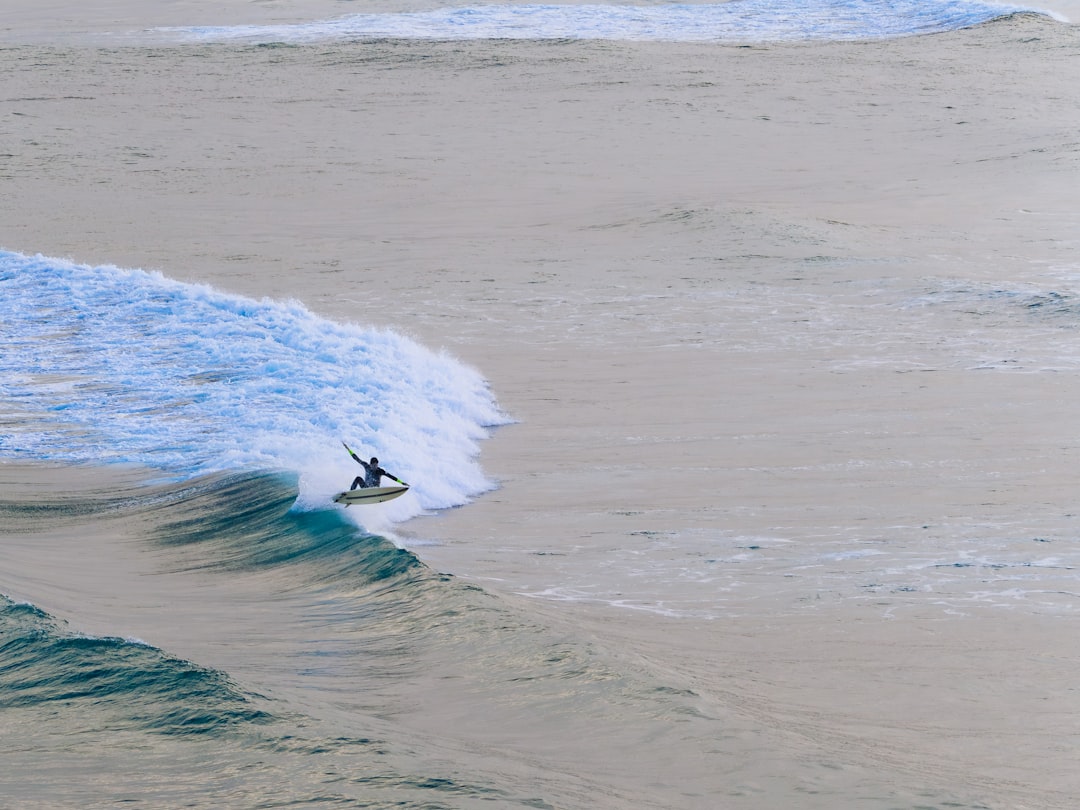
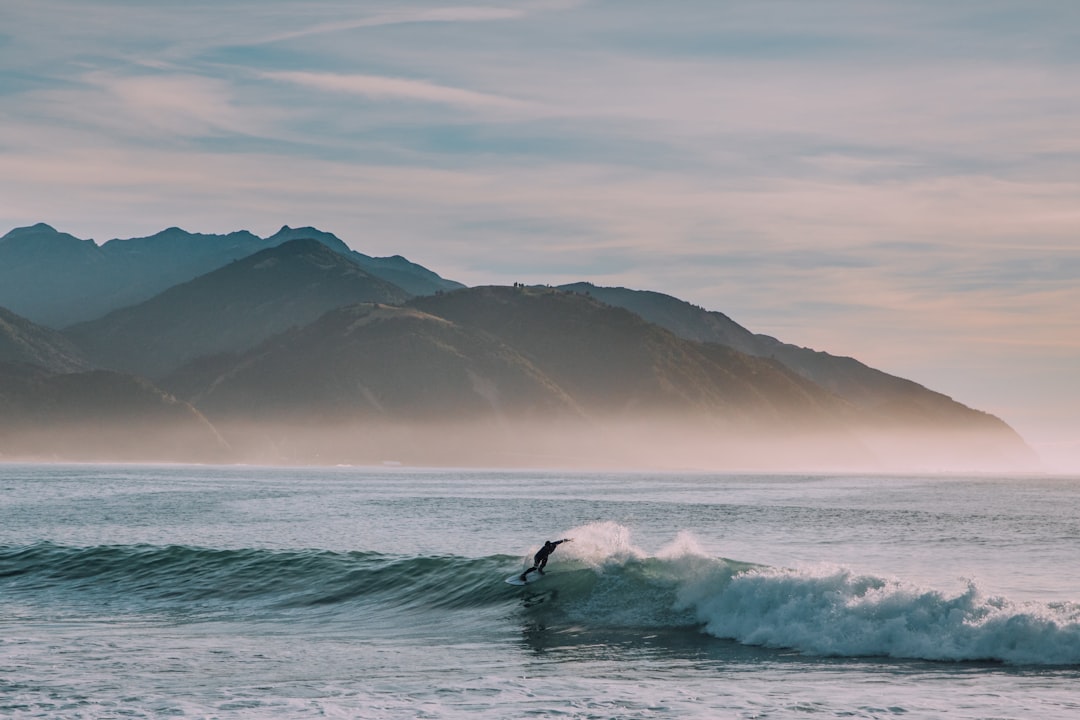
There’s a moment, right when you drop in and the wall stands up in front of you, where the whole world gets quiet and you’re just a set of trim angles trying to hold the line. That’s the essence of it, really. It’s not just about standing up on a board. The art of surfing is a deep conversation between your body, your equipment, and the pulse of the ocean. It’s a dance, and like any good dance, it starts with the stance.
Your stance is your foundation, your connection to the board and the face of the wave. It’s the first thing you build, and it’s the thing you’ll refine until your last session. A lot of beginners get caught up in trying to look like Kelly Slater or John John Florence, feet placed just so, knees cranking through a carvy cutback that’s way too deep for the section they’re working with. But the real artistry comes from understanding that your stance isn’t a static photograph. It’s a living, breathing, constantly shifting position that has to respond to the swell’s energy. The truth is, the most stylish surfers aren’t the ones with the textbook stance that looks good on the beach. They’re the ones who look like the wave itself is moving through them.
You want to feel your center of gravity low, a lot lower than you think. That’s the secret that separates the guys who are just riding water from the ones who are truly surfing. It’s about getting that weight down into your legs, feeling your rails engage, and letting the board become an extension of your own skeleton. When you’re standing too tall, you’re stiff, you’re working against the wave’s contours instead of flowing with them. You’re fighting the face instead of dancing with it. The ideal stance is a strong athletic crouch, your back knee dropped in towards the stringer, your front shoulder opening up to look down the line. It’s a posture that says, “I’m not afraid of the speed,” and it’s built on a sense of balance that isn’t about being rigid. It’s about being a liquid, ready to adapt.
That’s where the flow state really kicks in. You stop thinking about where your feet are and start feeling the energy of the wave through the foam of your deck. Your body starts to respond in microseconds. You feel the wave start to steepen, and instead of panicking, your weight subtly shifts back, your knees drop a half inch deeper, and you stall just enough to let the pocket wrap around you. Then, as the wall opens up and you get a clear runway, you drive your front foot forward and compress your back leg, pushing the board off the bottom and into a powerful turn. It’s not a series of commands from your brain. It’s a gesture, a pre-emptive feel that comes from hours of just being out there.
This smooth flow, this chi of the lineup, is the real pay off. It’s when your surfer’s edge is nothing but calm and control. You find yourself matching the wave’s rhythm. You’re not chasing sections like a maniac; you’re measuring them, gliding through the dead spots, and exploding into the open face when it’s most perfect. It’s the feeling of the board sliding into trim with no weight on the rails at all, just a whisper of foam down the line. Or it’s the commitment of a deep, heavy top turn where you actually flex your ankles and drive the fin through the lip, feeling the spray hit you in the back of the head.
And let’s talk about that “buck fever” that sends you flying off a board. It happens when you get that stance wrong. You get tense, you lock your knees, and you start fighting the wave’s pitch. Your arms come up like a tightrope walker, your back goes stiff, and you become a liability. The wave has all the cards, and you’re just along for the bucking ride until the inevitable ejection. The art is in the surrender. You have to give in to the motion of the ocean, to let your hips and knees act as shock absorbers, to let your spine twist and coil. It’s a physical conversation, and you have to listen.
Watch the best longboarders on a small, crumbly day. Their stance is pure poetry. They’re barely moving their feet, but their whole body is shifting, from the tip of their nose to the nub of their tail. They’ll stand tall, almost too upright, to cross step, and then they’ll drop into a deep chair as they sink the tail for a hanging ten. The stance is never the same. It is the same as the wave. So next time you paddle out, don’t worry about how you look. Worry about how you feel. Get that weight down, find your low center, and let the wave tell you where to go. That’s the real flow, the endless dance. That’s the art.