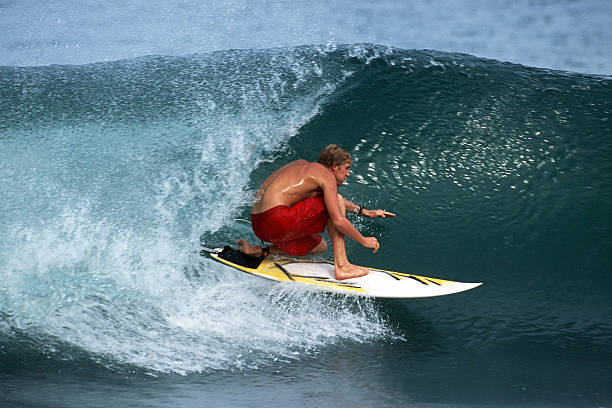
There’s a moment every surfer knows, whether they’re paddling out at a mellow beach break in Bali or sitting deep in the lineup at a pumping reef pass. It usually happens after a long session when the tide is pulling out and the sun starts melting into the horizon. A wave rolls through, and instead of fighting for it, you look over at the grom sitting next to you, nod, and say, “Go, brah. You earned it.” That little exchange is the essence of the Aloha Spirit in the water. It’s not written in any surf club charter or regulation book. It’s felt, passed down like a hand-me-down board from one generation of wave riders to the next.
In Hawaiian culture, Aloha means more than a simple hello or goodbye. It’s a way of living that centers on mutual respect, kindness, and the understanding that we are all connected—to the ocean, to each other, and to the land. When that concept flows into the surf zone, it transforms the lineup from a chaotic scramble into something more like a shared ceremony. Every surfer, no matter how aggressive or competitive they might feel when the swell pulses through, has a chance to tap into that ancient energy. The Spirit of Aloha isn’t about being passive or letting someone snake every set wave. It’s about knowing where you fit in the order of the break, respecting the local pecking order, and recognizing that the ocean gives to everyone equally if you show up with the right mindset.
I’ve seen it happen at crowded breaks where tempers usually flare. A new surfer drops in too deep, nearly collides with a local, and instead of yelling or splashing, the local just smiles and paddles wide. That smile is a subtle lesson. It says, “I see you’re learning. There’s a time and place for staking your claim, but today is not that day. We all started somewhere.” This is the unwritten rulebook of surfing: priority goes to the surfer deepest on the peak, but priority also comes with responsibility. If you burn a buddy, you apologize. If you see a longboarder gliding gracefully down the line, you don’t pull in front of them on a closeout section. And when a set rolls in and you’ve been sitting there for twenty minutes without a wave while the same guy catches three in a row, you don’t paddle inside and snake him. You take a breath, remind yourself that there will always be more waves, and wait for the next set with a clear heart.
That patience is Aloha. It’s the willingness to share the stoke even when your arms are burning and your soul is hungry for that one clean barrel. I remember paddling out at a spot in the North Shore’s lineup during a medium-size swell. The water was crowded, and tensions were high because the wave of the day was on its way. An older Hawaiian uncle was sitting on the inside, not saying much, just watching. When a big set loomed on the horizon, everyone scrambled. But the uncle stayed calm, let two tourists paddle for the same wave, and then smoothly slid into the third one, the one that peeled perfectly for four hundred yards. After the ride, he paddled back out and said to the guys who had fought for the first wave, “You okay? Wave come again.” That is the Aloha Spirit. It doesn’t demand that you give up your wave, but it asks that you remember the ocean belongs to no one. We are only visitors, borrowing a moment of grace.
The Spirit of Aloha also manifests in how we treat the ocean itself. Surfers who live by this code pick up trash on the beach, never leave wax chip piles in the sand, and support local reef conservation efforts. They understand that the health of the ocean is directly tied to the quality of the surf. When you respect the water, the water respects you back. This isn’t mystical mumbo-jumbo; it’s practical. A reef that is suffocating in runoff and plastic won’t produce the same quality of waves as a thriving ecosystem. So part of the Aloha Spirit in surf culture is being a steward. It’s the surfer who brings a bag and collects three pieces of trash before even waxing up. It’s the crew that organizes a beach clean-up after a big swell, because they know the waves are a gift, and gifts must be cared for.
Another facet of this spirit is how we share knowledge. Seasoned surfers who embody Aloha don’t hoard their wisdom. They’ll tell a newcomer where the rip current is dangerous, or how to read a reef pass for a better takeoff. They don’t charge for tips; they just offer them with a grin and a shaka. That open-handed generosity builds community. It turns a gathering of strangers into a tribe. When you paddle out at a break known for its friendly vibes, you feel it immediately. There’s less tension, more laughter, and the occasional “Whooooo!” when someone gets shacked. Those are the lineups where Aloha is alive.
Of course, the Spirit of Aloha doesn’t mean you let everyone walk all over you. There’s a line between being generous and being a doormat. A surfer who constantly gets dropped in on without saying anything might be enabling bad behavior. But the response can still be rooted in Aloha: a calm conversation, a firm but friendly correction, and then a return to the flow. Shouting and splashing only pollute the water’s vibe. Real Aloha is about maintaining your mana—your personal power—without stripping someone else’s dignity. It’s the art of balancing competition with compassion.
So next time you paddle out, take a moment to look around. Notice who has been sitting there the longest. Notice the older surfer who probably remembers when the break was empty. Notice the kid on the foamie who is shaking with excitement. And then ask yourself: How can I share the stoke today? Because in the end, the Spirit of Aloha is not just a Hawaiian concept—it’s a universal current that connects every surfer who has ever felt the salt on their skin and the joy of a clean ride. It’s the wave that keeps giving, as long as we give back.