You ever catch yourself standing in the garage, staring down at a stack of boards that look like a choir of fiberglass angels, and realize you’re about to make the same mistake you made last season? The quiver conundrum hits every traveling surfer at some point, usually right before the alarm goes off for a 5 AM flight to somewhere warm. The instinct is to bring them all—the groveler for the fat summer slop, the step-up for that fickle reef you heard about, the twin-fin for when the waves get playful, and the log for the long point break reconnects with your soul. But here’s the rub: you can’t drag the whole shed through an airport terminal without paying a mortgage in baggage fees and inviting a whole lot of stress into a trip that’s supposed to be about freedom. The real art of packing for a surf expedition isn’t about having every tool in the box. It’s about knowing what you’re hunting for and trusting your instincts.
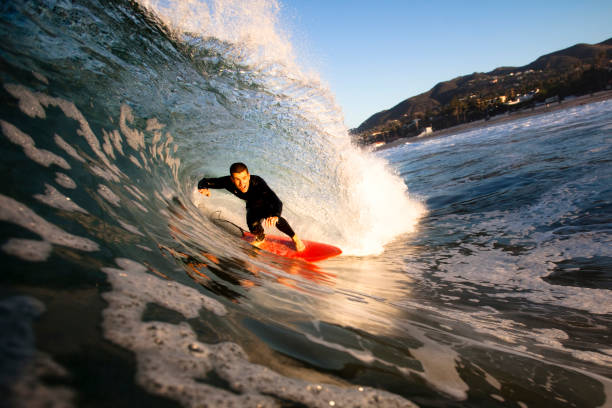
First thing you gotta ask yourself is where you’re headed and what the swell window looks like. If you’re chasing the sun to a spot like the Mentawais in July, you’re probably looking at consistent, head-high to double-overhead barrels. That’s not the time for a hybrid fish or a thin-as-a-pancake shortboard. You want a board with some rocker, some foam under the chest, and a fin setup that holds in a hollow, pitching face. One board that can handle the meat of the swell is worth more than three that only shine on a clean, waist-high day. On the flip side, if your expedition is a road trip down the Baja peninsula or a loose itinerary through Indonesia’s outer islands, you’re dealing with variety. That’s when a two-board quiver becomes your best friend. A high-performance shortboard for the punchy reefs and a slightly wider, more forgiving groveler for the beach breaks and the sloppy leftovers after the swell passes. Two boards, two board bags, and a whole lot less anxiety.
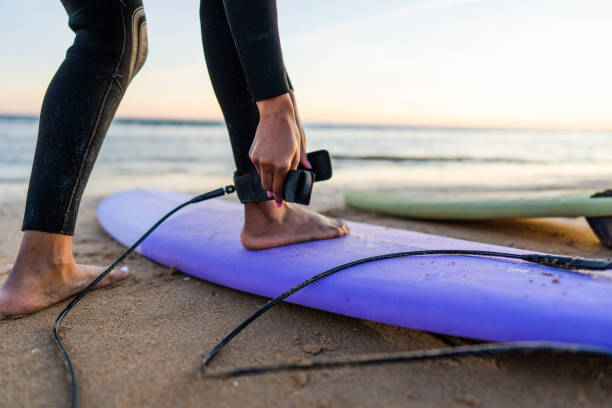
Now, let’s talk about the stuff that doesn’t get enough love but will either make your trip or break your back. Board bags. You don’t need a padded coffin that costs as much as your rent, but you do need one that has enough foam to protect the rails and the nose from a baggage handler who hasn’t slept in twelve hours. A fifteen-millimeter padded bag for your primary stick and a ten-millimeter for the backup does the trick. And for the love of everything good, bring a wax comb that’s not broken, a fresh block of base coat for the new temp zone you’re entering, and an extra leash. The leash always breaks when the waves are pumping and the nearest surf shop is a two-hour boat ride away. A little roll of duct tape wrapped around a water bottle can fix a ding long enough to finish a session, and a travel-sized repair kit with some sandpaper and a tube of Solarez means you’re not hunting down a shaper on a remote island when you crack a rail on a shallow reef.
You also need to think about what you’re wearing and how little of it you actually need. The endless summer vibe means quick-dry shorts, a couple of rash guards that protect you from the tropical sun and the board rash that comes from paddling for hours on end, and a hoodie or a light jacket for the airport and the nights when the trade winds kick up. Leave the heavy denim at home. It’s dead weight. And booties? Only if you’re hitting a reef that eats toes for breakfast or a winter session in colder water. The rest of the time, go barefoot and let your soles get tough.
Then there’s the gear that lives in your daypack, not your board bag. A waterproof deck bag for your phone, passport, cash, and a decent book. A reusable water bottle that you can fill up after customs because dehydration is a real buzzkill when you’re trying to paddle out for the first session of the trip. Sunscreen that actually works and doesn’t wash off in the lineup, preferably reef-safe because you don’t want to be the kook who’s killing the very wave you came to ride. A small first-aid kit with some antiseptic, butterfly closures, and ibuprofen because you’re going to take a rail to the ribs or get a fin cut at some point. And a pair of flip-flops you don’t care about because they’ll get sand in them, lost on a bus, or stolen by a stray dog, and that’s okay.
The biggest mistake we make is thinking we need to bring our home setup to a foreign lineup. You don’t. You need to bring your stoke, your awareness, and the humility to paddle into a wave that’s different from what you’re used to. The boards you leave behind are just foam and resin. The memories you bring home are the real haul. So pack light, pack smart, and always, always leave room in your bag for the unexpected. That could be a T-shirt from a local shaper, a shell you find on the beach, or just the extra space to carry the saltwater feeling all the way back to your front door.