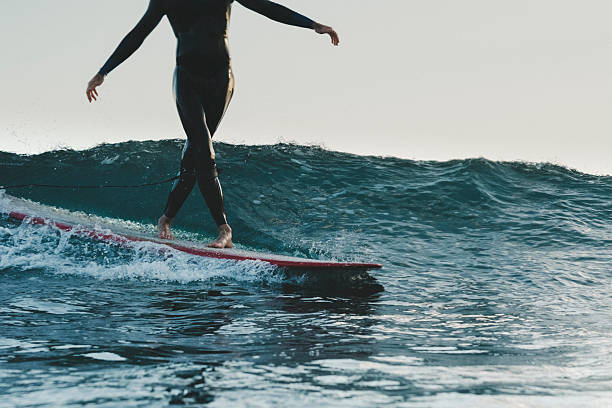
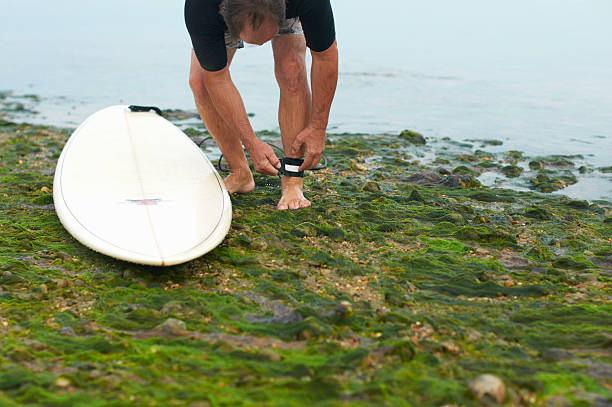
The thing about chasing waves on a tight budget is that you trade a few luxuries for some of the purest surf experiences out there. Most folks think scoring world-class waves requires a fat wallet and a season pass to a fancy resort, but that’s just not the case. Some of the best sessions I’ve ever had came from a beat-up van, a cooler full of tortas, and a cheap hammock strung between palm trees. If you’re stoked on finding pitted waves without burning through your savings, the coast of Oaxaca in Mexico is where you want to point your board.
You don’t need a five-star hotel to get barreled. What you need is a little grit and a willingness to paddle out at spots that aren’t on the glossy travel brochures. The areas outside of Puerto Escondido, like the small fishing villages to the east and west, still have empty peaks that hold size and shape. Most of these breaks are beach breaks with shifting sandbars, so the wave you rode yesterday might be a closeout today. That’s the beauty of it. You get to read the ocean every morning, find the sandbar that’s working, and have the lineup mostly to yourself because the resort crowd is sleeping in or paying some local guide to take them to the same overrun point break.
Getting there on a budget is all about the bus. The Mexico bus system is a surf traveler’s best friend. You can ride a first-class coach with air conditioning and a bathroom for a fraction of what a taxi costs, and the second-class buses will get you even cheaper if you don’t mind a chicken in the aisle. Once you arrive in a town like Mazunte or Zipolite, you walk the beach with your board under your arm and ask around for a palapa to crash under. Hostels run about ten bucks a night, and if you’re cool with bunking with a few other wanderers, you can find spots for less. Some surf camps let you trade a few hours of work for a bed and a meal, which is a solid way to stretch your pesos.
Food is easy. Street tacos and fresh ceviche are not only cheap but also provide the fuel for long sessions. You don’t need fancy pre-workout shakes when you can grab a plate of fish tacos for three dollars. Hit the local markets for fresh fruit, bread, and refried beans. A simple breakfast of papaya and a torta will keep you paddling until the afternoon glass-off. The trick is to eat like a local and avoid the tourist traps that charge double for the same plate of food.
The board choice matters more than your board shorts. You want a single board that can handle a punchy beach break but still glide on a mellow day. A thruster or quad in the five-foot-ten to six-foot-two range is versatile. Bring spare fins and a repair kit because you will ding the hell out of your board on rocks or sandbars. Buying a used board in Oaxaca is also a good move. There are shops in Puerto that sell off rentals at the end of the season for a steal. That way you travel without the baggage fees and end up with a fresh stick.
Hitchhiking between breaks is a part of the lifestyle. The locals are friendly and used to seeing dusty surfers with their boards sticking out the back of a pickup. A ride is usually just a wave and a smile away. Stick to the main roads and travel during the day. The ocean is best in the early morning or late afternoon, and that’s when you’ll be on the road anyway. The midday sun is brutal, so use that time to nap, read, or find a shady hammock.
The real magic of budget surf travel is that it strips away the distractions. You aren’t worried about the hotel buffet or the pool schedule. Your whole day revolves around the tide, the swell, and the wind. You become one with the rhythm of the coast. That connection is something you can’t buy with a credit card. It comes from sleeping on a thin mattress in a room with sand on the floor, eating mangoes you picked up from a roadside stall, and paddling out at dawn to an empty lineup that feels like it belongs just to you.
When the sun sets and you’re sitting on the beach, salt-crusted and worn out, with a cold beer in your hand and the sound of the ocean in your ears, you realize that the best adventures have nothing to do with money. They have to do with showing up, being stoked, and being willing to sacrifice a little comfort for a lot of soul. That is the endless summer that lives in all of us, waiting for the next swell to roll in.