
Grommet: The Surfer’s Kid, Defined

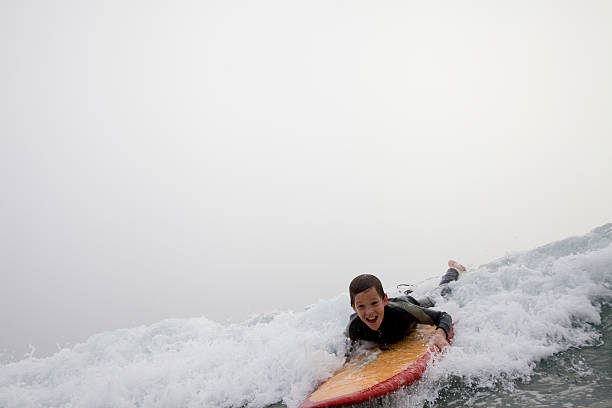
Alright, so you’re paddling out, the lineup’s a bit crowded, and you hear someone shout, “Watch out for the groms!“ You look over and see a pack of tiny humans, all arms and legs on boards that look too big, dropping into waves with zero fear. That’s it. That’s the grommet in its natural habitat.

Let’s cut through the foam. A grommet, or grom for short, isn’t just any kid who surfs. It’s a specific breed. It’s the young surfer who eats, sleeps, and breathes saltwater. Their hair is permanently crusty, their wetsuit might be on inside-out, and they’ve got more water in their sinuses than brain cells some days—but don’t let that fool you. In the water, they’re pure instinct and chaotic energy. They’re the future of the lineup, and every seasoned surfer was one once.

The term itself is classic surf slang, a shortened, Aussie-tinged version of “grommet.“ It’s been bouncing around surf communities for decades. You don’t earn the title by just owning a board; you earn it by obsession. The true grom lives for dawn patrol, even if it means their mom has to drive them. They’ll trade lunch money for a new chunk of wax. They know every bump and reef on their home break better than the layout of their own school. They’re the ones practicing pop-ups on the living room floor when it’s flat, and their conversations are a fluent mix of normal kid stuff and serious surf tech talk about rocker, fins, and who got shacked yesterday.

Now, in the lineup, groms are a double-edged sword. On one hand, they’ve got no respect for the so-called “rules.“ They’ll drop in, snake, and generally surf like they own the place, because in their minds, they kinda do. They’re too stoked to care about pecking orders. This can drive the old guys and local heavies nuts. But on the other hand, you gotta respect the sheer charge. They’ll take off on closeouts that would make a grown man hesitate, get absolutely annihilated, and pop up with a huge grin, ready for the next pounding. That fearless progression is how they learn, how they get good fast. They’re pushing the envelope because they don’t know where the envelope is.

Being a grom is a rite of passage. It’s a golden, messy, sun-bleached time in a surfer’s life. It’s about scrounging for gear, getting your first real stick, and idolizing the local pros. The community looks out for them, too—most of the time. A wise local will give a grom a respectful tip or a stern word about etiquette, knowing that today’s grom is tomorrow’s legend. There’s an unspoken rule: you don’t harsh a grom’s stoke too hard. You guide it.

So next time you’re out and you see the grom squad buzzing around the lineup like a swarm of hyper-competitive seals, don’t just get aggro. Watch for a second. See that raw, uncalculated style? That’s the purest form of surfing right there. No overthinking, just feeling. They’re paying their dues, taking their beatings, and absolutely loving every second of it. We were all there once, kooking it up, learning the hard way, and building the foundation for a lifelong addiction to the glide. The grommet is the heartbeat of surfing’s future. Just maybe give them a little space when they’re on a wave—they’re probably going straight anyway.
Related Posts

Live Surf Cams

Surfline Live is a 24/7 glimpse into the world’s surf.

This stream moves through Surfline's global camera network, showing spots where it’s daylight and rated Fair or better.

What's The Deal With...?

Surf History & Legends

Why did boards get so short in the late ’60s?

It was all about radical performance! Surfers wanted to rip harder, turn tighter, and fit deeper in the pocket. Inspired by Aussies and fueled by new materials, shapers like Dick Brewer and Bob McTavish started chopping down those classic long logs. The “shortboard revolution” gave us high-speed, vertical surfing. These new sticks were often under 7 feet, with pulled-in noses and multiple fins, allowing for the explosive, power-surfing we associate with modern pros. It was a total mindset shift.

What are the best flicks to get stoked about surfing history?

For a deep dive, you gotta start with The Endless Summer—it’s the ultimate classic chase. To see real charging, Riding Giants charts the birth of big wave surfing. For pure soul and innovation, Sprout and The Lost Wave showcase different eras. These films aren’t just about moves; they capture the spirit, the pioneers, and the global stoke that shaped our culture. Pop some corn, watch how the legends found lines, and you’ll feel that saltwater itch to paddle out.

How important is social media and video for their careers?

It’s everything, brah. Instagram and YouTube are their digital surf mags and video parts combined. They build a global fanbase by posting epic clips daily, connecting with sponsors directly, and showcasing their style. Filmers are always in the channel, so every sick ride can be broadcast instantly. This exposure lands them sponsorships, invites to exclusive trips, and wildcard spots into big events. It’s a 24/7 digital resume that rewards pure, progressive surfing and a cool vibe, changing the path to becoming a pro.

Surf Lingo Explained

When should I start trying to turn?

Only after you can consistently catch waves, pop up with stability, and ride straight toward the beach in the whitewater with control. Turning requires you to shift your weight onto your rails, which is a more advanced balance act. Start on a gentle, crumbling section of whitewater: gently press down on your toes or heels to see how the board responds. Don’t force it. The turn will come naturally as you get more comfortable moving on the wave. Rushing to slash like Kelly is a surefire way to eat it.

Why is “reading” the ocean so important?

Reading the ocean is like understanding a language. It’s about spotting the sets, identifying the peak, and seeing how the waves are breaking. You look for rips, wind changes, and tidal shifts. This knowledge tells you where to sit, when to paddle, and which wave to go for. It saves your energy and gets you more waves. Without it, you’re just paddling around blindly. The ocean is always talking; you just gotta learn to listen.

What’s the secret to finding uncrowded, perfect waves?

It’s about adventure and flexibility. Chase the swell, not just the famous spots. Be willing to walk further, paddle out at dawn, or explore lesser-known coasts. Learn to read forecasts and understand wind directions. Sometimes the best sessions come from a bit of mission with your crew to a random beach. Respect the locals wherever you go, and you’ll often get the inside scoop on hidden gems. The search is all part of the soul of surfing.