Surf Lingo & Slang: Your Guide to Speaking the Language of the Lineup

Alright, groms, listen up. You can paddle out there with the shinizy new stick and the freshest rubber, but if you don’t know how to talk the talk, you’re gonna stick out like a kook at Pipeline. Surfing isn’t just a sport; it’s a culture with its own language, a verbal code that’s been passed down through generations of salty dogs and soul surfers. This ain’t about being cool—it’s about respect, safety, and knowing what in the blue hell everyone is yelling about when a set rolls through. So, let’s drop in and decode the essentials.

First things first, let’s get the labels straight. You’re a grom or grommet—that’s a young surfer, full of stoke and usually eating more foam than making sections. A kook is what you don’t want to be. That’s the person dropping in on others, ditching their board in the impact zone, or just generally causing chaos without a clue. It’s a state of mind, not just a skill level. The opposite end of the spectrum? A legend or a soul surfer—someone who lives and breathes for the glide, respects the ocean, and surfs for pure joy, not just Instagram clips.

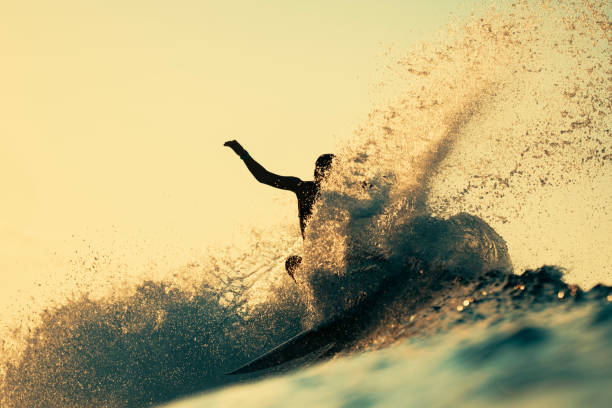
Now, let’s talk about the wave itself. You’re not just “riding a wave.” You’re shredding a barrel, getting pitted inside a hollow section, or carving powerful turns on the open face. The lip is the curling top part that can throw over you. If you get caught inside when a big set comes, you’re about to get worked, smashed, or go through the washing machine. It happens to everyone. Just remember to hold your breath and pop up ready for the next one.

The lineup has its own rules, spoken and unspoken. Dropping in is the cardinal sin—taking off on a wave when someone else is already riding it closer to the peak. Don’t be that guy. If you hear “YEW!” that’s pure, unadulterated stoke, usually shouted when someone gets a sick wave or a deep barrel. If you see a perfect, empty wave coming your way, you might hear someone yell “Go for it!” or “You’re in the slot!” That’s your cue. Paddling battle is the friendly (or not-so-friendly) race to get outside past the breaking waves. And if someone says the surf is pumping, firing, or epic, get your board and go. Now. If it’s flat, onshore mush, or victory at sea, maybe hit the skatepark instead.

Beyond the basics, there’s the lifestyle lingo. Chasing the sun or living the endless summer is the dream—following the swells around the globe. Your quiver is your collection of boards, each for different conditions. Dawn patrol is the sacred early morning session, often with the glassiest conditions and the best vibes. And stoke? That’s the whole point. It’s the fuel, the feeling, the buzz you get from a good session or seeing your buddy get a good one. It’s contagious.

So, there you have it, groms. A quick dip into the deep pool of surf slang. The best way to learn is to listen in the lineup, use the terms right, and soak it all in. Speak the language, respect the code, and you’ll find yourself more connected to the crew in the water and the rich, salty history of the sport itself. Now get out there, score some waves, and spread the stoke. YEW!
Related Posts

Live Surf Cams

Surfline Live is a 24/7 glimpse into the world’s surf.

This stream moves through Surfline's global camera network, showing spots where it’s daylight and rated Fair or better.

What's The Deal With...?

The Surfing Life

What’s the key to respecting the surf lifestyle?

Live it with integrity. Respect the ocean—it’s a powerful force, not a playground. Respect the lineup—follow the rules, don’t drop in, and share waves. Keep the beaches clean. Support the community. The lifestyle isn’t about stickers on your car; it’s about a genuine, humble love for the sea and the shared stoke. It’s understanding that some days you get the waves, and some days you just get a good paddle. It’s all part of the glide.

What are the essentials for a surfer’s first-aid kit?

Beyond the standard bandages, pack items for surf-specific injuries. Include antiseptic for reef cuts, waterproof tape and super glue for sealing those gashes, and anti-inflammatory pills. Throw in some ear drops to prevent surfer’s ear flare-ups, zinc for sun protection, and a good seasickness remedy if you’re doing boat trips. A small tube of solarez can fix board dings that might cut your feet. Being prepared lets you handle minor issues and get back in the water faster.

How do I transition from catching whitewash to riding unbroken green waves?

This is the big leap! It starts with paddle power. You need the strength and technique to match the speed of a pitching wave. Practice angling your take-off; don’t just paddle straight in. Point your nose toward the shoulder as you pop up. Commit! The worst wipeout is better than hesitating and getting caught in the “washing machine.“ Start on smaller, crumbling waves to build confidence. It’s a mental game as much as a physical one—go for it with stoke!

Legendary Surf Spots

Which breaks should I check out depending on my skill level?

Beginners, head for Inch Strand on a mellow day—a huge sandy beach with forgiving rollers. Intermediate surfers can explore Brandon Bay’s variety, like the fun beach break at Maharabeg. When it’s pumping, experts chase the legendary reef and point setups around the Blasket Islands or Coumeenoole. Always, and I mean always, get a local forecast and check with the surf schools about conditions. Tides and winds shift radically here, turning a playful spot into a heavy closeout in no time. Local knowledge is your best piece of equipment.

Are there other waves at Malibu besides First Point?

For sure! Second Point kicks in on a bigger swell, offering a faster, more hollow section that’s great for turns. Third Point, further down, is a more localized, heavier wave that really walls up. It’s for more experienced surfers when the swell is pumping. Then there’s Surfrider Beach, the beach break right out front, which can be fun for beginners when the points are too crowded. Each spot has its own character and crew.

What’s the best time of year to score waves in Bundoran?

For consistent swell, aim for autumn through early spring. That’s when the North Atlantic storm track fires up, delivering the most powerful and frequent waves. Winter brings the biggest swells for experienced chargers, but you’ll need a solid 5/4mm wetsuit, boots, gloves, and hood. If you hate the cold, late summer and early autumn offer milder water temps and more manageable waves, perfect for logging water time and enjoying the craic in town without the full Arctic kit.