
Getting Barreled: The Ultimate Surfer’s High Explained

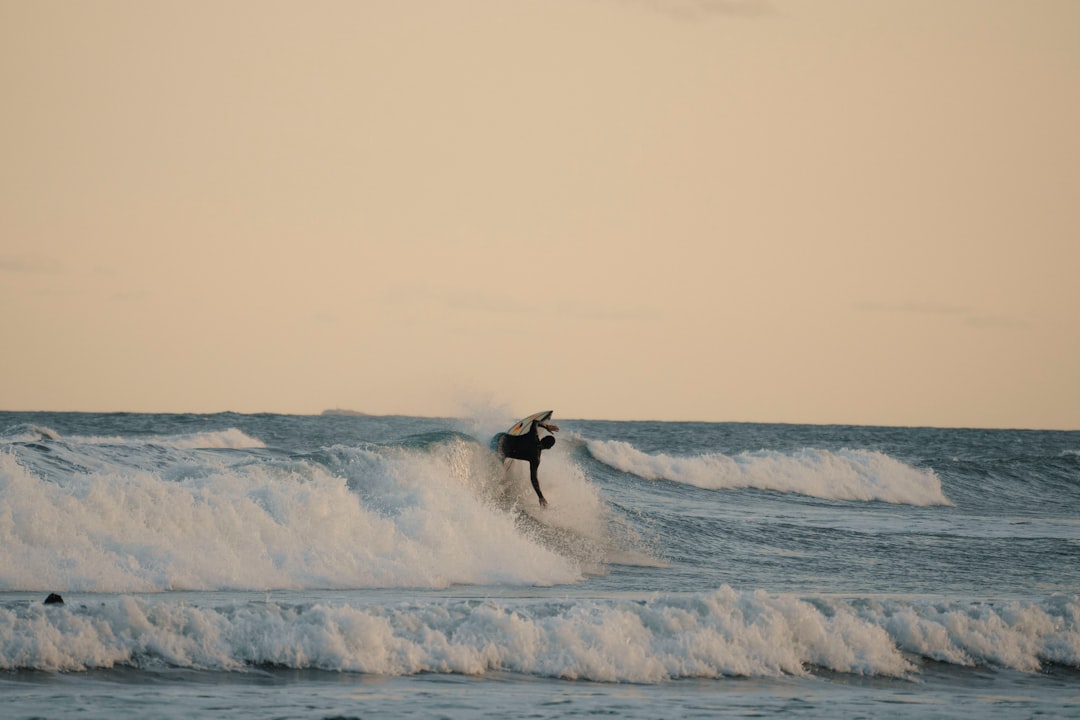
Alright, so you wanna talk about the barrel. The tube. The green room. Forget about the cutbacks, the airs, the fancy maneuvers for a second. This right here is the whole reason we paddle out. It’s the moment that gets scribbled in surf journals and etched into memory forever. It’s the singular goal, the holy grail, the feeling that defines the search for the perfect wave. Getting barreled isn’t just a part of surfing; for many, it is surfing.

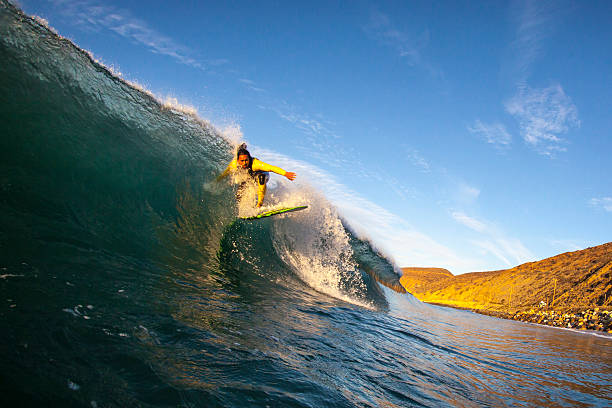
So, what is it? In the simplest, no-nonsense terms, a barrel is when the wave pitches out and breaks in such a way that it creates a hollow, cylindrical space between the falling lip and the face of the wave. Riding inside that space, that temporary, spinning tunnel of water and light, is what we call getting barreled. You’re not just riding on the wave; you’re riding inside it. The world outside disappears, replaced by the roar of the vortex, the shimmering curtain of the lip, and that small, bright opening ahead of you—your exit, if you make it.

The lingo around this experience is its own language. You don’t just “get a barrel.” You get pitted. You get shacked. You get tubed. If it’s a particularly deep, cavernous one, you’re deep in the green room. That moment when the lip first throws over you and seals you in? That’s the curtain call. Making it out cleanly? That’s a make. Getting swallowed and spat out by the whitewater? That’s a wipeout, but even that comes with a badge of honor—you went for it.

But here’s the thing they don’t always tell you: getting barreled is as much about mindset as it is about technique. Sure, you need to know how to set your line, slow down, and stall to let the wave catch up to you. You gotta get low, maybe even grab your rail to hold your position in that critical spot. But you also have to commit. Fully. There’s no half-stepping in the tube. You either go, trusting your instincts and the wave, or you get eaten. Hesitation is the real killer. It’s a moment of pure, unadulterated flow state. You’re not thinking; you’re reacting, feeling the energy of the wave wrap around you.

The pursuit of the barrel is what fuels the endless summer mentality. It’s why we chase swells across the globe, from the heaving reefs of Pipeline to the long, winding walls of Jeffreys Bay. Every surfer has a mental checklist of dream tubes they want to ride before they hang up their board for good. It’s the image on the poster, the clip in the movie, the story told and retold in the parking lot. “You should have seen it this morning, it was barreling!” is the ultimate call to arms.

In the end, the barrel is the raw, unfiltered essence of surfing. It’s a direct conversation with the ocean’s power. It’s equal parts terrifying and euphoric. It’s a fleeting, perfect moment that can’t be bought, only earned with patience, skill, and a whole lot of heart. Making it out of one leaves you buzzing, a grin plastered on your face that nothing can wipe off. Even the ones you don’t make, the ones that clean your clock, are a lesson. They keep you humble and hungry for the next one. Because once you’ve tasted that green room, felt that silence inside the roar, you’re hooked. You’ll spend the rest of your surfing life trying to get back in.
Related Posts

Live Surf Cams

Surfline Live is a 24/7 glimpse into the world’s surf.

This stream moves through Surfline's global camera network, showing spots where it’s daylight and rated Fair or better.

What's The Deal With...?

The Surfing Life

How can I refuel quickly between sessions when the swell is pumping?

You need quick, digestible fuel that gets you back in the lineup fast. Grab a ripe banana, an energy bar without a ton of processed junk, or a handful of dates and nuts. A liquid option like a simple protein shake works great, too. The key is to listen to your body—if you’re feeling drained, get some easy calories in. Don’t overcomplicate it; just get something clean in your system so you can rest up and get back out there before the tide changes.

What’s the difference between just catching waves and soul surfing?

Soul surfing is all about the feeling, not the scorecard. It’s ditching the pressure to rip the biggest turn or get the clip. Instead, it’s about that pure stoke of gliding across the water, feeling the energy of the ocean, and being totally in the moment. It’s trimming on a clean wall at sunrise with just your thoughts. It’s the essence of why we paddle out—connection over competition, flow over force. It’s surfing for you, not for the ’gram.

What’s the deal with sustainable surfboards?

Dude, they’re the future! Instead of nasty petrochemical foams and toxic resins, these sticks use stuff like recycled foam blanks, organic cloth, and resins from plants. Brands are even making boards from algae oil or cork. They ride just as sweet but have a way smaller footprint on the planet. It’s all about shredding the gnar without trashing the break, you know? Supporting shapers who innovate with green materials is a solid way to keep our oceans clean for future sessions.

Mastering the Waves

How do I survive a two-wave hold-down?

Panic is your real enemy. When you get worked, relax during the first plunge. The ocean will push you up; don’t fight it and waste oxygen. Cover your head with your arms as you surface to protect from your board. Take one quick breath before the next wave hits, then tuck up and go with the turbulence again. Trust that your buoyancy will bring you up. Staying calm is everything.

Should I focus on endurance or strength training?

You need both, but think of it as surf-specific. You need the muscular endurance to paddle for hours (endurance), and the explosive power to pop up and smash a section (strength). Your training should mirror a session: long, steady-state cardio for paddling, mixed with short, high-intensity bursts for maneuvers. Blend distance swimming with interval sprints and bodyweight circuits. This combo builds the all-around fitness to charge all day.

What’s the deal with wetsuit thickness? How do I pick the right one?

It’s all about water temp, brah. Thickness is in millimeters, like 3/2mm (3mm torso, 2mm limbs). Warm, tropical water? A light 2mm spring suit or just boardshorts. Most California vibes? A 3/2mm full suit is your go-to. Frigid, icy winter sessions? You’ll need a 4/3mm or even a 5mm+ hooded suit. The right thickness lets you move freely while keeping the core stoke warm. Too thin and you’ll freeze; too thick and you’ll overheat. Match it to your local break for maximum water time.