There’s a certain kind of madness that settles in the bones of a surfer, a restless hum that starts low in the gut and climbs right up into the brain, messing with sleep, focus, and any sense of normal priorities. We call that frothing. It ain’t just being excited, not like the stoke you feel after a clean barrel or a long glide across a glassy face. Frothing is something deeper, a primal, almost animalistic state where the ocean becomes the only thing that matters, and everything else — bills, relationships, that weird smell in the fridge — merely gets in the way. It’s the froth at the mouth of a dog chasing a scent, but instead of a rabbit, it’s a swell. A groundswell, to be exact. A pulse of energy born in a distant storm, traveling thousands of miles across open water to break on your home break, and you can feel it coming in your blood before any forecast even updates.
The frothed surfer is a creature of habit, but not the good kind. He or she refresh the surf report every ten minutes, refresh the buoy readings, refresh the satellite images of cloud banks that might, just might, spin up into something special. Sleep becomes optional. The mind races with possibilities: the size of the sets, the direction of the wind, the tide that could make it either a dreamy left or a closeout nightmare. You start talking to yourself about swell intervals and period and fetch, and your friends who don’t surf look at you like you’ve lost it. But you haven’t lost it. You’ve found it. The purest form of enthusiasm known to the surfing world. Frothing is the engine that drives the whole lifestyle. It’s the reason guys quit their jobs to go chase a phantom swell down the coast, the reason girls pack a board bag and a prayer for a flight to Indonesia just because a typhoon got chunky near the Philippines.
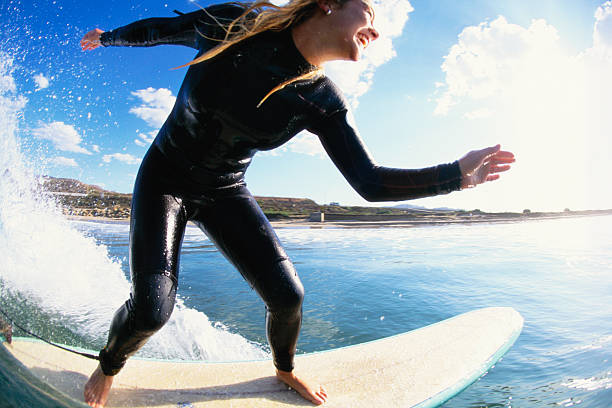
The cool thing about frothing is that it doesn’t discriminate. A grom on a foamie can froth harder than a world champion. In fact, the more you know, the worse it gets. Because you understand the magic of a west swell wrapping into a fickle point, or the freak alignment of a northwest wind and a low tide that turns a mushy beach break into something hollow. Knowledge feeds the froth. It’s a beautiful, vicious cycle. And when the waves actually arrive? The frothing transforms. It becomes focus, then it becomes action. You paddle out with your heart hammering, and suddenly all that nervous, jittery energy settles into the glide. The froth doesn’t disappear — it changes shape. It becomes the hum inside your wetsuit as you sit in the lineup, scanning the horizon, waiting for that first dark line to swell into a shoulder high runner. And when you catch it, when you’re up and carving, the froth explodes into pure, liquid stoke. That’s the payoff. That’s why we do it.
But frothing also has a darker side, if you let it get twisted. It can become a relentless chase that leaves you hollow, always chasing the next swell, the next trip, the next perfect session that somehow always slips just out of reach. The endless summer vibes, the sun-drenched journeys to distant coasts — those are real, but so is the obsessive edge. The trick is to ride the froth without letting it ride you. Keep it playful. Remember that the ocean is bigger than any forecast, and that some of the best frothing moments are the ones you never expect — a random afternoon glass-off, a funky little wave that nobody else cares about, a surf check with a friend that turns into a laughing session on shore because the swell just didn’t show. That’s okay too.
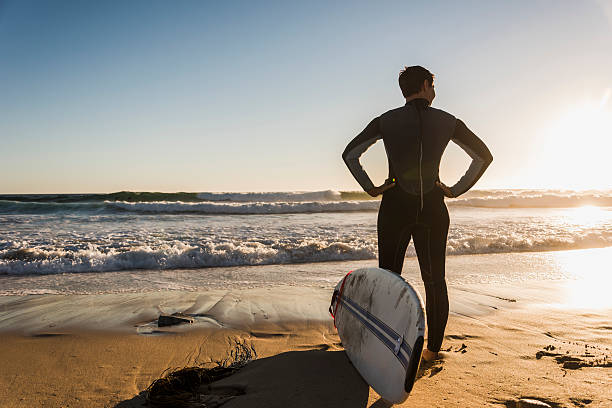
In the end, frothing is a love language. It’s how we say, without words, that this life means everything to us. It’s the reason we have quivers of boards that all look the same to outsiders, the reason we have wax pieces in every jacket pocket, the reason we can’t look at an ocean without judging its potential. The frothing surfer is the eternal optimist, the one who sees a storm in the forecast and smiles, the one who checks the tide charts with the devotion of a monk. It’s a good life. It’s an honest life. And if you ever find yourself frothing, really frothing, don’t fight it. Grab your board, check the wind, and paddle out. Because the cure for frothing is simple: saltwater and a wave that wants you to ride it. Everything else fades. The froth, the excitement, the pure, unbridled joy — that’s the stuff that keeps the stoke alive, session after session, summer after endless summer.