There’s a certain kind of time that don’t come from a watch. It comes from the moon’s pull, the sand’s patience, and the way the ocean breathes in and out twice a day, slow and steady as a sleeping giant. When you live the beach life, you don’t just live on the coast—you live by the tide clock. That old rhythm becomes your morning alarm, your lunch break, your excuse to stay up late or drag yourself out of bed while the stars are still out. You feel it in your bones, the way the water rises and falls, and soon enough, your whole day starts to revolve around a schedule that has nothing to do with nine-to-five and everything to do with glassy waves and sandbars that appear and vanish like secrets.
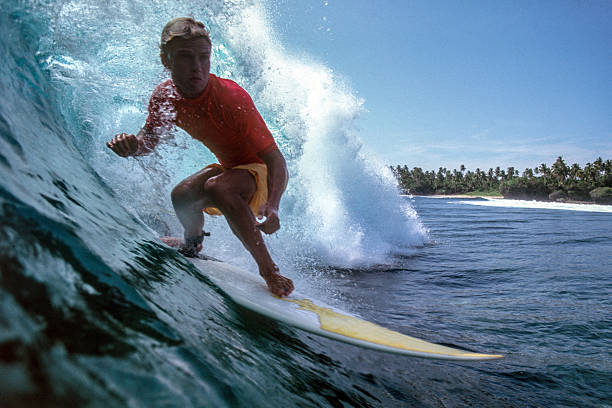
The dawn patrol starts with a glance at the ocean, not a phone screen. You stand on the sand, bare feet soaked in the cool morning air, and watch the lines roll in. Is it pushing high tide or dropping? That matters more than any weather app. When the tide is on the rise, it can groom the swell into perfect peelers, wrapping around fringes and pointbreaks with a clean, hollow shoulder. When it’s falling, the water pulls away and exposes the guts of the beach—the jagged rocks, the tide pools, the sandbar that suddenly looks like a sandcastle ruin. Every surfer has a favorite tide, a sweet spot where the break turns on like a light switch. Mine is two hours before high tide, when the ocean feels full and juicy, and the inside section gets just enough depth to let you crank a bottom turn without kissing the sand.
But the tide clock ain’t just about waves. It governs everything else that makes the beach life worth living. Low tide means you can walk a mile down the shoreline, shells crunching underfoot, and find pockets of solitude that high tide swallows whole. You can poke around the tide pools, watching anemones wave their pink little fingers and hermit crabs drag their borrowed homes across the mossy stone. High tide brings the water right up to the dune line, crashing against the seawall and sending spray over the boardwalk, and the whole beach feels smaller, more intimate—like the ocean is giving you a nightly hug before it rolls back out again. Those shifts in the water change the mood of the entire coast, from the fishermen casting into the wash to the kids building sandcastles in the wet, reflective sand.
Living the beach life means you learn to read the tide clock like a native tongue. You notice how the wind shifts with the sun heating the land, how a morning offshore breeze turns the surface to glass, then fades by lunch and lets the waves get mushy and blown out. You plan your paddle sessions around that magic hour when the tide and the wind and the swell all line up, and you drop whatever you’re doing when they do. A job or a meeting can wait. The ocean won’t. That is the trade-off, and it’s one you make with a grin, because there’s no better feeling than being in the lineup when the sets roll in just right, and you know the tide clock is the reason you’re there.
Out in the water, the tide is your constant companion. It pushes you up the line, then pulls you back down. You feel it in the current that carries the board under your chest, in the way the takeoff steepens or softens as the water column shrinks and grows. Surfers talk about high tide slop and low tide suck, about reef passes that stay dry and rivermouth sandbars that barely hold together. The locals know, and they share that knowledge with nothing but a nod and a drop-in that says, “You’re okay this time—but read the tide next time.” That shared respect for the ocean’s rhythm is the glue of the beach community. We’re all just riders on the same tidal breath, trying to catch a little bit of magic before the moon pulls the plug again.
There’s a deeper lesson in all of it. The tide clock teaches patience. You can’t rush the water. You can’t force a sandbar to appear. You just have to wait, tune in, and let the ocean set the pace. When you do, the beach life becomes a meditation, a slow dance between land and sea. You start to notice the wrack line like a high-water mark of seaweed and shells, the gulls returning to a stretch of sand as the tide frees it up, the way the sunset reflects off a rising swell in shades of amber and violet. You realize you’re not living on the coast—you’re living with it, to its cadence, under its spell.
So next time you’re standing on the beach, take a moment to check the tide chart. Feel the pull in your own chest. Let that old lunar heartbeat reset your own. Because in the end, the tide clock doesn’t just tell you when to surf—it tells you when to breathe, when to slow down, and when to let the ocean wash everything else away. That’s the endless summer, lived one tide at a time.