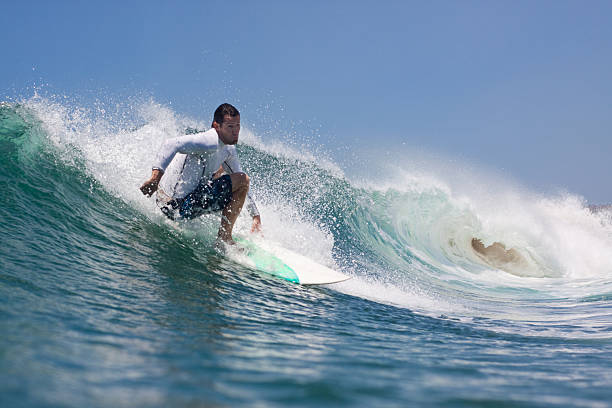
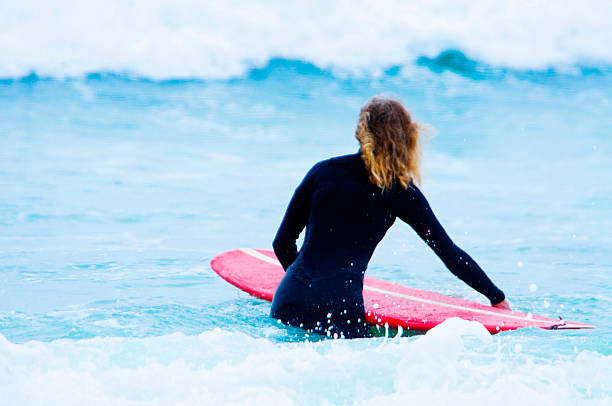
Some days you paddle out and the ocean hands you a slab of warm butter that folds over like a lazy dog rolling onto its back. Other days it serves up a freight train of pure aqua adrenaline that makes your heart beat triple-time just watching it from the beach. This is the eternal dance of wave conditions, and every surfer worth their salt has a vocabulary for it. We talk about mush and grinds, lemons and magic, junk and gold. But the real secret? Learning to read the ocean’s moods before you even wax up.
Mushy waves are the ultimate humbler. They’re soft, weak, and lack that crisp, defined peak. Think of a wave that breaks like a slow-motion belly flop, all foam and no power. You catch it, stand up, and immediately feel like the board is gliding through oatmeal. Mush has its place, sure. It’s where beginners learn to pop up, where longboarders perfect their cross-step without any imminent danger of getting slammed. But when the forecast says “mush,“ the seasoned regulars stay on the sand and drink coffee. The whole lineup feels sleepy, and every wave closes out with a shrug instead of a roar.
Then you get those in-between days. Call them crumbly, slopey, or soft shoulders. These waves have some push but no real juice. They break too slowly, offering you a convoluted journey down the line with sections that need constant wiggling to survive. Surfers call this “making a section” when you manage to punch through a crumbling lip, but on these days you’re not making anything. You’re just poking along, hoping the wave doesn’t die underneath you. Lots of grunting, lots of paddling, and a whole lot of nothing.
But then Mother Nature decides to get serious. The wind switches offshore, the tide swings into that magic zone, and the swell starts pulsing with real intent. This is where the primo conditions come out to play. Primo means top-shelf, the best the spot can offer. The waves stand up like they’ve got a spine. They barrel, they jack, they throw out a lip that you can thread a needle through. The lineup gets a little more crowded, but nobody cares because everyone’s hooting and hollering like it’s a festival.
How do you tell the difference from the parking lot? It’s all about the clues. Look at the surface texture. Mushy conditions often come with bumpy, wind-chopped water, the ocean looking like a rumpled bedsheet. Primo is glassy, clean, with that oily sheen that makes you want to just sit and stare. Check the waves as they roll in. Mushy waves show a rounded crest that peels gently, if at all. Primo waves stand tall with a steep face, showing dark blue glass against white spray when the lip pitches.
Tide is a massive player. Some spots only work on a mid to high tide, while others turn into barreling machines on the low. Miss the tide window and even the best swell gives you mushy nothing. The bottom contour matters too. A sandy beach with a gradual slope produces forgiving, mellow waves that border on mush. A reef or a sandbar with a sudden drop creates that jolting, hollow shape that we all dream about. And wind? Offshore wind is the surfer’s best friend. It pins the wave up, holding the face clean and making the lip throw harder. Onshore wind will instantly slaughter even the best swell, chopping the surface into a chaotic mess that surfers call “blown-out.“ That’s when you pack the board back in the car and go look at tide pools.
We’ve all got our own slang for the scale. Some call the worst days “junky,“ “stormy,“ or just “flat.“ The next step up is “crumby,“ then “fair,“ then “fun,“ then “good,“ then “epic,“ then “primo.“ But honestly, the words don’t matter as much as the feeling. When you’re paddling out on a mushy day, you’re just exercising. When you’re paddling out on a primo day, you’re entering church.
The true surfer’s wisdom is being able to enjoy all of it, at least sometimes. Mush builds your patience, your balance, your ability to hack through the crap. Primo builds your confidence and your stoke. And the ultimate thrill? When you score a primo day that nobody expected. That’s when the ocean whispers its secrets to you, and you finally understand why we keep coming back, day after day, chasing the magic between the mush.