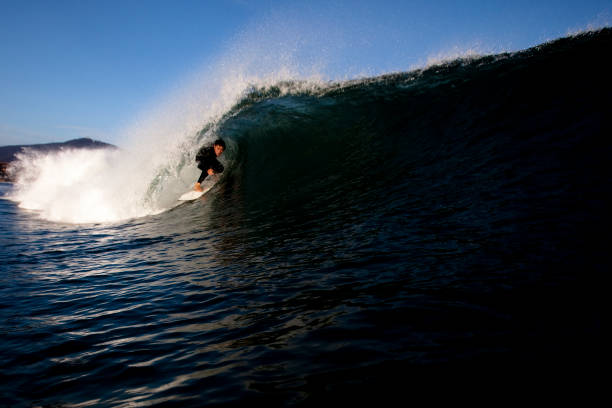
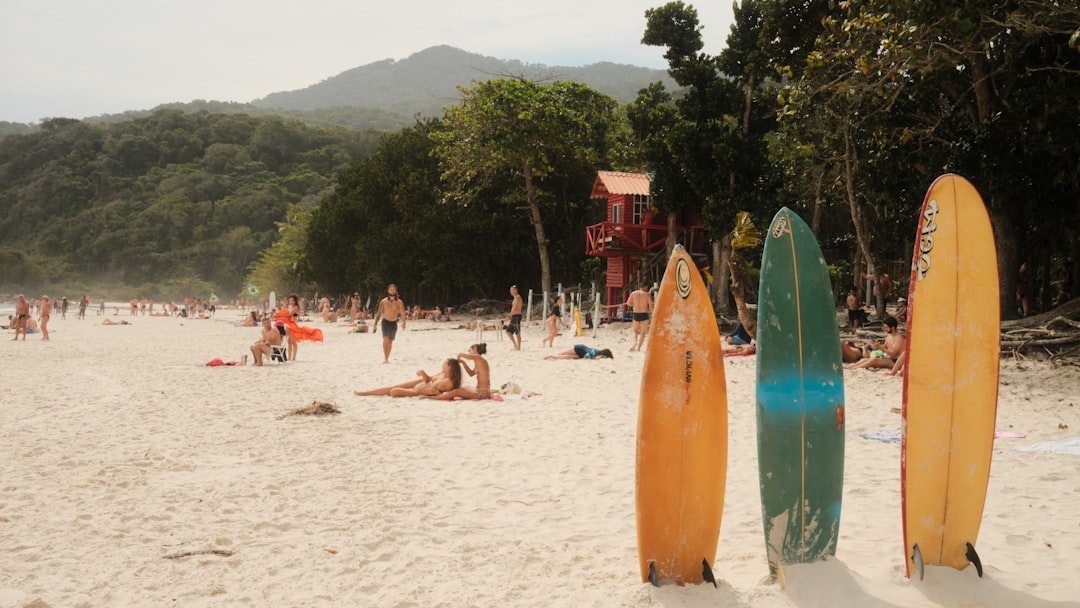
Most surfers fix their gaze on the Pacific horizon or the heavy slabs of the North Shore, but there’s a whole different rhythm humming along the Gulf of Mexico. Down here, the water’s warm, the crowd’s thin, and the vibe is so mellow you could mistake it for a secret. The Gulf Coast from Texas all the way across to the Florida Panhandle doesn’t get the glory it deserves, but for those in the know, it offers a pure, stripped-back kind of stoke that connects you straight to the soul of surfing. No reef passes, no parking lot circus, just you, a longboard, and a sea that breathes slow and shallow.
The Gulf is a different animal. Its fetch is limited compared to the Atlantic or Pacific, so the swells here come from distant storms churning across the Caribbean or the lower Gulf. That means the waves aren’t always pumping, but when they do line up, they deliver a smooth, rolling energy that’s perfect for noseriding and drawn-out cutbacks. The bottom is mostly sand, so you get classic beach breaks that shift with every tide. One day you’re taking off on a waist-high gem at Galveston’s Stewart Beach, the next you’re threading a peak near Panama City’s St. Andrews State Park. It’s never predictable, and that’s the beauty of it.
Texas surf culture is its own strange and beautiful thing. The coast is flat for long stretches, but when a north swell or a tropical system kicks up, the lineup fills with salty locals who’ve been reading the buoys since before the internet. Places like Surfside Jetty and the South Padre Island jetties become gathering spots for a crew that knows how to make the most of a two-foot day. The water’s bathwater warm in summer, and you don’t need a wetsuit for months on end. The lifestyle is laid-back, with beachside taco stands and cold Shiner Bock after the session. It’s not the Endless Summer of California, but it’s its own endless warmth, chasing the sun across flat bays and wind-chopped afternoons.
Slide over to the Florida Panhandle, and the scene shifts just a little. You get a bit more consistency thanks to the Gulf Stream and the curve of the coastline. Destin, Panama City Beach, and the Forgotten Coast around Apalachicola offer long stretches of white sand and crystal-clear water that looks like the Caribbean. The breaks here can handle a bit more size, especially when the southeast swell wraps in. There’s a spot called the Pier in Panama City that can hold a head-high set and keep the locals honest. But the real secret is the absence of stress. You can paddle out at dawn, share a wave with a pod of dolphins, and never see another surfer for an hour. That’s the Gulf magic.
The technique here leans heavily on reading the ocean. Because the swells are often small and weak, you have to work for every ride. Paddle hard, find the lump that’s got a little push, and then milk it for all it’s worth. A good drop-knee turn or a long, drawn-out nose ride counts for more than a vertical snap. Equipment wise, you want a log. A classic longboard, nine feet or so, with a bit of extra foam to catch those mushy shoulders. Some locals swear by fish or hybrids when the wind lays down and the waves get a bit steeper, but the longboard is king. And you don’t need a quiver full of fancy boards. A single glass slipper and a sense of adventure is enough.
The Gulf Coast lifestyle isn’t about chasing perfection. It’s about showing up, reading the sky, and accepting what the sea gives you. There’s a camaraderie in the lineup that’s rare elsewhere. Maybe it’s because there are so few surfers that everyone knows your name, or maybe it’s because the waves don’t foster ego. Either way, you’ll find a community that values the session over the score. Traveling along the Gulf is a road trip dream. You can drive from Texas to Florida, stopping at every jetty, pier, and beach access, and never run out of new waves to hunt. The sunsets over the water are liquid gold, and the sound of a clean, peeling wave in the warm evening air is the closest thing to meditation you’ll ever find.
So if you’re tired of the crowds and the cold, point your van toward the Gulf. Pack a board with flex, a good book for the flat days, and an open mind. The waves might not make the magazines, but they’ll make your soul remember why you started surfing in the first place. It’s pure, it’s warm, and it’s waiting.