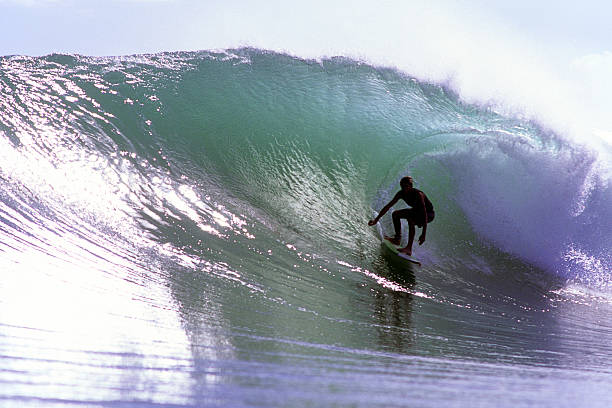
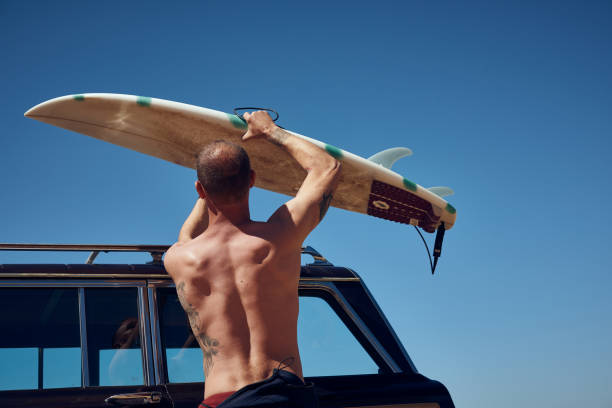
There’s a certain magic that happens when the Indian Ocean sends a warm, glassy pulse across the atolls and you find yourself lined up on a reef pass with no one but the turtles for company. The Maldives has long been painted as a honeymooner’s dream, a place of overwater bungalows and turquoise lagoons, but for those who live and breathe the salt life, this string of coral islands is one of the most potent surf destinations on the planet. The secret is out, but the real stoke still lies in the stretches between the resorts, where local island guesthouses and handshake boat trips keep the vibe raw and real.
The classic Maldivian swell window runs from March to October, with the southwest monsoon bringing consistent groundswells that wrap into the atolls from deep ocean storms. The real juice peaks between June and August, when the trade winds drop off and a calm offshore breeze polishes the faces of breaks like Pasta Point, Honky’s, and Sultans. But if you want to feel the true pulse of a surf trip, you skip the big resort lineups and head to the outer reefs of Thaa Atoll or Laamu, where uncrowded righthanders peel forever over shallow coral gardens. That’s where you find the kind of isolation that makes a dawn session feel like a private conversation between you and the sea.
The lifestyle here is a slow roll. Days start before sunrise with a cup of sweet black tea and a plate of mas huni, the local tuna and coconut breakfast that fuels the paddle out. The boats are traditional dhoni, wooden hulls that rock gently as you cruise between breaks, the skipper pointing at spouting whales or pods of spinner dolphins cutting through the chop. There’s no rush, no clock, just the rhythm of the tide and the promise of a clean set on the horizon. After a few hours in the water, you float in the warm bath of the lagoon, your board bumping against your leg, and you realize that the endless summer isn’t a fantasy—it’s a choice you make every time you paddle out.
The culture among the local surfers is humble and generous. On inhabited islands like Thulusdhoo or Himmafushi, the locals shred with a style born from years of surfing the same world-class peaks on boards they shaped themselves. They’ll share a wave with a visiting stranger if you show respect, never snake a set, and hang ten on the inside while the tourists go deep. The real exchange happens on the beach after the session, when a cold Kingfisher beer appears from a cooler and someone pulls out a well-worn ukulele. Language barriers dissolve into the shared language of a good barrel and a sunset that paints the sky in shades of mango and lilac.
Traveling to the Maldives as a surfer means embracing a bit of challenge. The logistics can be gnarly—speedboats, domestic flights, and the occasional seaplane shuttle are part of the game. But that’s half the stoke. The journey itself is a rite of passage, a chance to leave the mainland mind-set behind and slip into island time. You learn to read the charts for wind direction, to trust the local knowledge of a driver who knows which channel opens first, and to pack light but bring extra fins and leashes because surf shops are few and far between. The reward is a wave count that would make a Hawaiian jealous and a tan that never fades.
There’s a deeper current running through the Maldivian surf scene too. Climate change and rising sea levels threaten these low-lying atolls, and the same reefs that give us those perfect lefts are dying in warm water events. The local surf community is small but fierce, fighting for reef conservation and sustainable tourism that respects the ocean instead of just taking from it. So when you paddle out at a break like Chickens or Cokes, you’re not just chasing a wave—you’re connecting with a place that asks for stewardship in return for its gifts.
The Maldives offers a rare blend of warm water, consistent swell, and a lifestyle that slows your heartbeat. It’s not just a destination; it’s a state of mind. You come for the barrels, but you stay for the feeling of floating in a sea that seems to have no end, where every morning brings a fresh chance to find your line, drop in, and feel the pure, unfiltered stoke of a wave that belongs to no one and everyone.