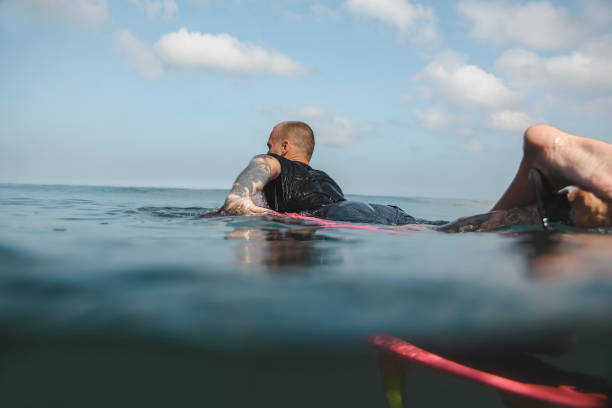
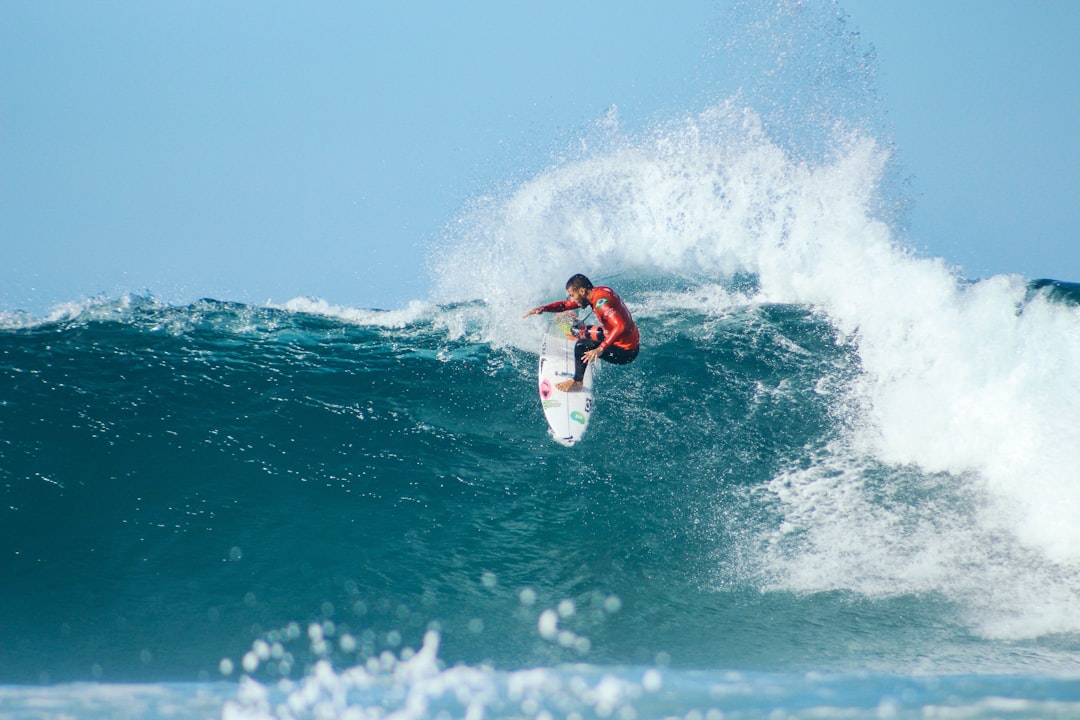
You paddle hard, feel the wave catch the tail, and suddenly it’s go time. In that half-second window, everything hinges on one explosive, fluid motion: the pop-up. Plenty of surfers, even those who’ve been at it for a while, treat it like a frantic scramble. Hands land wide, knees hit the deck, weight is too far forward or back, and the wave either races away without you or you pitch over the nose. That moment of disconnect isn’t a minor hiccup; it’s the difference between a session full of stoke and one that leaves you shaking salt out of your hair with a scowl.
When you roll into a surf camp looking to improve your skills, the instructors will almost certainly have you spend more time on dry land than you expected. This isn’t busywork. It’s because the pop-up is the linchpin of your entire ride. If you can’t get to your feet smoothly, consistently, and in control, you can’t transition into a bottom turn, let alone set up a carve or tuck into a barrel. The camp environment, with its dedicated coaching sessions, video analysis, and controlled conditions, is the perfect place to strip your pop-up down to its raw components and rebuild it with intention.
The first thing you might hear is about the “cheater five” pop-up, where your back knee hits the deck to give you a platform to stand. In the whitewater phase, this works fine. You get up, you ride straight to the shore, you feel like a champ. But the moment you move into green waves, that extra knee-lift steals a fraction of a second and shifts your weight distribution in a way that makes it harder to immediately set a rail. The camp coaches will push you toward a “no-knee” pop-up. It feels awkward at first. You press up into a high plank, then pull your back foot up between your hands while your front foot lands forward and slightly to the side. Your center of gravity stays low and central, and your eyes stay fixed on where you want to go, not down at your feet.
Good coaches break this down into a flow instead of a series of steps. They talk about “springing” from the board rather than “climbing” onto it. Your hands should land right under your chest, not splayed out wide. Think of pushing the board away from you as you leap up. That explosive extension of the arms creates the space for your feet to land in the right stance. On land, you can drill this a hundred times in five minutes. On the beach, you can feel the sand under your feet and visualize the wave face. At camp, you might do pop-ups over a foam roller or a pool noodle to teach your body to keep its feet narrow and avoid the dreaded “stacked” position where both feet land close together.
The beauty of a camp setting is that the instructors watch you on every single wave. They’ll call out corrections in real time: “Your back hand is reaching back, anchor it on the stringer” or “You’re looking down at your toes, look at the horizon.” They’ll film you from the beach and then show you the freeze frame. You might see that you’re chicken-winging your elbows, or popping up with your chest already twisted toward the wave, which locks your hips and prevents you from driving down the line. That kind of immediate, personalized feedback is nearly impossible to get when you’re just surfing with your friends.
Beyond the mechanics, there is a mental layer to the pop-up. In the lineup, when a set wave rolls in with steepness and power, doubt can creep in. You might hesitate, pop up late, and take a washing machine ride. The drills at camp build muscle memory to a point where your body reacts faster than your brain can second-guess. You learn to read the wave’s speed and steepness and adjust your pop-up timing. On a steep, pitching wave, you might need to jump up almost before you feel the glide. On a softer, mellow wave, you can take a second, let the wave lift you, and then uncoil. That split-second decision becomes automatic with repetition.
The ultimate takeaway from a camp focused on the pop-up is that it’s not just about getting to your feet. It’s about starting your ride already in the perfect position for your next move. If you land with your weight centered, your back foot over the fins, and your front foot angled slightly toward the nose, you can immediately shift that weight to engage the rail and draw a bottom turn. You become a part of the wave’s energy rather than fighting it. The stoke multiplies when every section you paddle into feels manageable, not like a gamble.
So next time you’re at a camp, embrace the boredom of the sand drill. Grind out those pop-ups until your shoulders burn. Watch the video playback with an open mind. That one movement, done right, is the key that unlocks the whole experience. Once you’ve got it dialed, every wave becomes a canvas, not an obstacle.