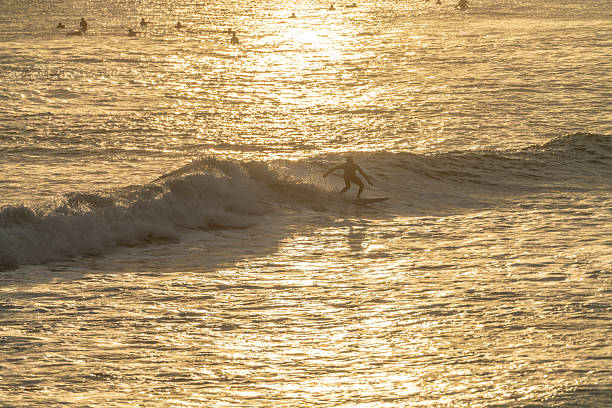
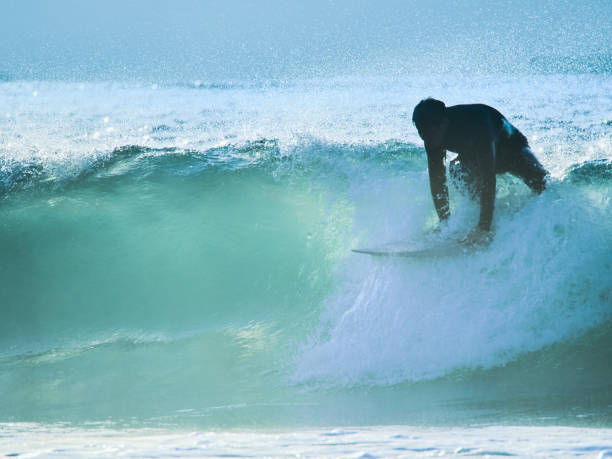
The world looks different before the sun gets out of bed. The ocean smooths out overnight, shedding its wind-chopped skin for a slick, dark glass that holds the last of the stars. This is dawn patrol, and every surfer knows the quiet hum of a parking lot at first light, the hiss of wax being rubbed onto a deck, the sight of five or six figures paddling out into a lineup that hasn’t yet woken up. But the magic of dawn patrol isn’t just about the waves. It’s about the language that lives out there, the slang that gets traded like handshakes between sets. Because the lineup is a kingdom with its own dialect, and if you don’t speak it, you’re just a foreigner bobbing in the channel.
Let’s start with the basics. When you paddle out, you’re entering the “inside,“ the zone where waves break and where the real action goes down. Further out, past where the foam fizzles, sits the “outside,“ where the swells first lift their heads. If someone yells “outside set!“ you’ve got about thirty seconds to paddle your ass off. The “shoulder” is the unbroken face of a wave, and catching it means you’re either late or you’re surfing the mellow part instead of the steep, hollow “pocket.“ The pocket is where you want to be, right in the curl’s hook, where the wave’s energy is tightening into a tube. When you hear a surfer say they got “shacked,“ “wacked in the green room,“ or “found the barrel,“ they’re describing that sacred, fleeting moment when water closes over your head and you’re riding inside a liquid cathedral. The green room. No other phrase in surf speak captures so much with so little.
But other lingo is less poetic and more practical. “Glass off” is what happens when the wind dies and the ocean turns to polished mirror, perfect for dawn patrol. “Peel” is how a wave breaks along its length, a clean, rideable peel that lets you turn and carve down the line. “Section” is a lumpy part of the wave that tends to break all at once, a trap that can close out on you. And if a wave “backs off,“ it means the swell flattens for a second, giving you room to get to your feet before the next critical bit. Every morning crew tosses this vocabulary around like sea spray, and after a while it becomes as natural as breathing.
Then there’s the social side of the lineup, the part that separates the salty locals from the clueless “kooks.“ A kook is anyone who disrespects the surf, whether by ditching their board, paddling over the peak, or dropping in on someone who’s already riding a wave. “Dropping in” is the cardinal sin, stealing a wave that another surfer is already on. If you do it and survive, you’ll hear the word “snake” followed by a glare that could melt wetsuit rubber. “Hogging” is taking more than your share, and “paddle battle” is the unspoken duel for the wave that matters most. The lineup has its own justice, enforced by glares, hoots of derision, and occasionally the blunt end of a fin. But when you speak the language correctly, you earn a nod. You become “soul,“ a genuine surfer who’s out for the ride, not the fight.
Dawn patrol is also where you learn the subtle terms of the tide and wind. “Low tide and low pressure” means hollow, fast waves that can detonate on the reef. “High tide, mush” means slow, forgiving rollers. “Onshore” ruins everything, chopping the surface into messy crumble. “Offshore” holds the wave face up like a curtain, allowing for those precious barrels. You’ll hear old-timers mutter about “chasing the swell,“ driving north or south to find the “south swell window” or the “west groundswell.“ Every bit of this talk is a map to a better morning.
But the true beauty of surf speak is that it’s built around feelings, not just facts. “Stoked” is the buzz that sings in your veins after a clean ride. “Amped” is the jittery energy before paddling out. “Wiped out” is the humble moment when the ocean reminds you who’s boss. It isn’t called “being caught inside” for nothing. And “dawn patrol” itself isn’t just a time; it’s a ritual. It’s the shared silence of the pre-light paddle, the high-five after a tube, the sunrise burning orange over the horizon as you sit on your board and realize there’s no place else in the world you’d rather be. The lineup feeds you a new word every session, but the root of them all is the same: respect for the ocean and the crew who ride it. So next time you paddle out, listen close. The waves are speaking, and now you know how to answer.