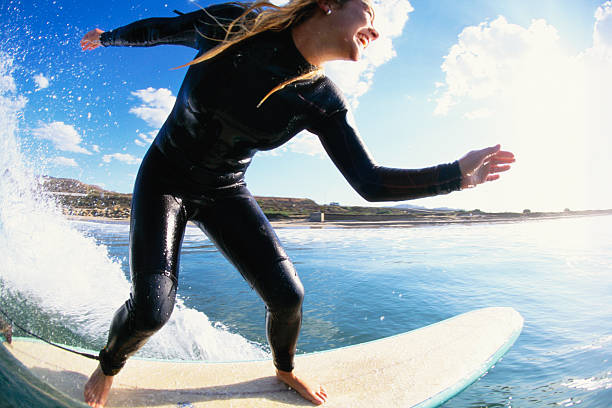
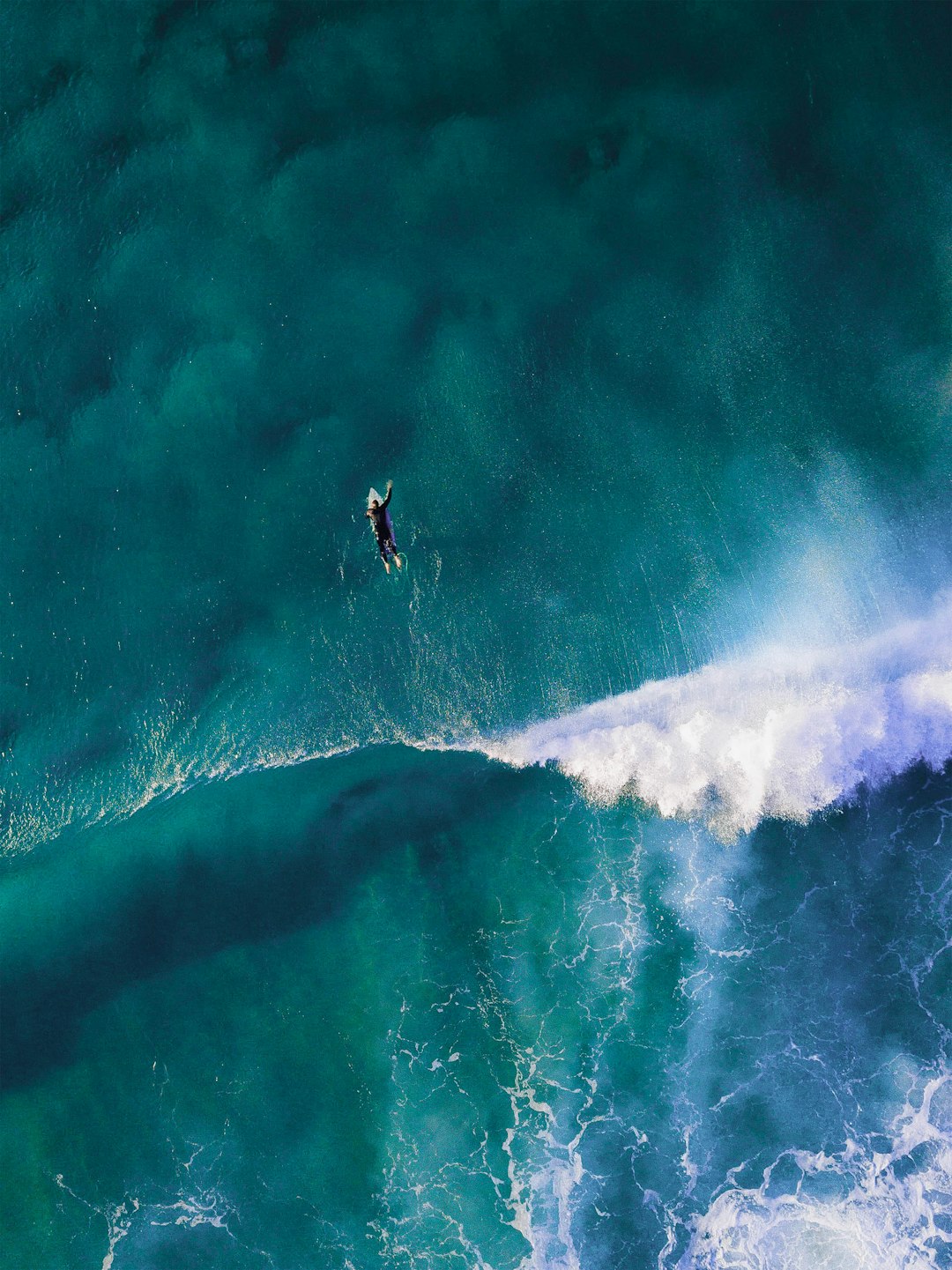
Every surfer knows the feeling when the horizon goes quiet, the sets take a breather, and the whole ocean seems to hold its breath. That is the moment when the lineup talks. Not just about waves forecast or fin setups, but about the old days. About the crew who paddled the same peak back when the parking lot was just sand and the only board you could get was a slab of cedar heavy as a sunset. That is the lore. The salt-encrusted storytelling that gets passed from one generation to the next, not through books or podcasts, but through the simple act of sitting in the swell, shoulders rising and falling with the groundswell, and letting the tales roll out like a long peeling right. This is surfing’s true living history. It lives in the throat of every grizzled local who has seen a hundred dawn patrols, and it gets caught in the chest of every grom who swallows the stoke whole.
Beyond the ride itself, beyond the barrel and the turn and the score, there is a whole channel of culture that runs deep and quiet beneath the surface. It is the culture of the paddle-out ceremony, where a fallen brother or sister gets their ashes scattered into the lineup that raised them. It is the culture of the surf shop counter, where stories get traded like used fins. It is the culture of the road trip camper van, where a broken six-foot spell becomes a legend about the one that never should have been ridden, and the one that got away becomes a ghost that haunts every subsequent session. These tales are not just nostalgia. They are the threads that stitch the tribe together. When an old salt tells you about the first time he rode a hollow day at a spot you thought you knew, suddenly that ocean gains another dimension. The wave you just caught becomes a character in a longer story, one that began long before you waxed your board and will continue long after you hang it up.
The beauty of surf storytelling is that it requires no proof. Nobody checks the swell logs. Nobody verifies the wave height. A story about a perfect ten-foot day at a secret reef might have happened exactly as told, or it might have been embellished by a generous heart and a lost memory, but either way it carries truth. The truth of what a wave can feel like when everything aligns. The truth of fear and joy and the raw connection to something bigger than your own schedule or salary. That is what gets passed along, not the facts. The feeling. Every surfer who ever sat in the channel and listened to a legend unfold knows that the story is alive. It moves with the tide. It changes with each teller. And in that way, the history of surfing is never fixed. It is a living creature, always hungry for new chapters.
Even now, with every break accessible by GPS and every wave filmed from a drone, the old ways still hold. Young surfers who have never ridden a heavy wooden board still listen when someone talks about the days when boards were shaped with hand tools and sacrifices to the surf gods meant paddling out in a storm just because it looked right. There is a respect for the elders that no algorithm can replace. The lineup teaches you who to listen to. It is not about age or rank. It is about who has paid their dues, who has earned the stoke through years of cold mornings, broken leashes, and humbling wipeouts. Those are the ones who carry the stories. And when they speak, the water goes quiet.
This culture beyond the ride is also a guardian. It remembers the pioneers, the women and men who pushed past the fear of the unknown and opened up reefs that were once considered impossible. It remembers the shapers who changed the game by thinking different. It remembers the environmental warriors who fought to keep the ocean clean when the rest of the world looked away. That is heritage. It is not a museum piece. It lives in every wave we catch, because we catch it on the shoulders of those who came before. Their stories give us permission to take risks, to travel far, to wait a little longer for the set that changes everything.
So next time you are out there, floating in the lineup with nothing but the sky and your own heartbeat, listen. Listen to the surfers around you. Ask about the big winter that broke the jetty. Ask about the legend who rode the bomb when no one else dared. Ask about the time the dolphins showed up and rode the shoulder like they were born for it. Then tell your own story, even if it is small. Because every wave you catch becomes a ripple. Every session you love becomes a tale. And someday, when you are the old salt on the peak, a kid will ask you what it was like. And you will open your mouth, and the ocean will speak through you. That is the endless stoke. That is the culture beyond the ride. And it never, ever fades.