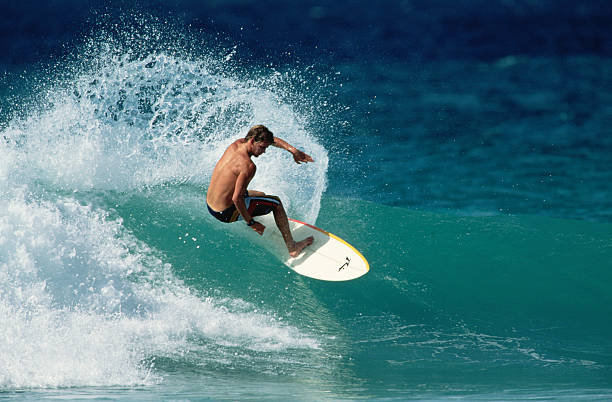
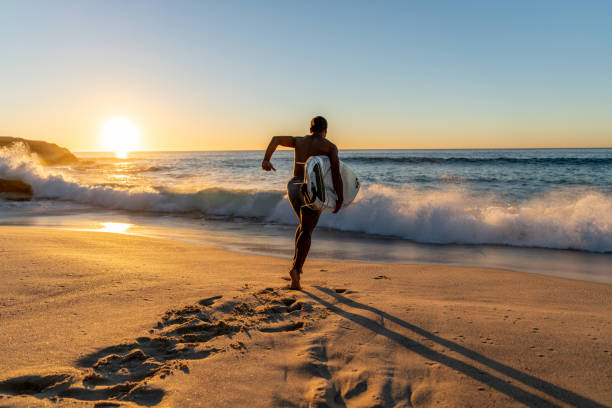
There is a moment in the predawn dark when the only sound is the rumble of a distant line of foam climbing over a reef. You feel it in your chest before you see it—a low thrum that says the ocean is alive and working today. For the true wave chaser, a surf forecast is not simply a prediction of wind speed and swell height. It is a sacred text, a tide chart that tells you where the magic will happen and when you need to be there with wax on your board and stoke in your heart. Catching the best swells is the art of reading the ocean’s language, and it starts long before you paddle out.
The first rule of the swell game is understanding that waves do not just appear out of nowhere. Every set that rolls into your local break began its life hundreds or even thousands of miles away, born from a storm in the far North Pacific or a low-pressure system churning below the equator. These swells travel across vast expanses of open water like freight trains on invisible tracks. The energy moves fast but not all at once. A groundswell from the Gulf of Alaska might take three days to reach the California coast, and the window of optimum conditions can be as narrow as six hours. If you sleep through it, you got skunked. That is why the serious surfer checks the buoy data and the period readings with the same reverence a pilot checks the weather before a transatlantic flight.
Swell period is the secret ingredient most weekend warriors overlook. You could have a four-foot swell forecast, but if the period is a snappy eight seconds, those waves will be weak, crumbly, and close out fast. A four-foot swell with a seventeen-second period, however, is a different animal entirely. That is long-period energy that has had time to organize itself as it traveled, producing clean, powerful lines that wrap around points and peel for days. When you see a forecast with period numbers climbing above fifteen seconds, it is time to rearrange your schedule. Tell your boss you got a fever. Tell your partner the car broke down. The ocean does not wait for anyone, and a swell of that quality is a gift you do not want to return unopened.
Wind direction is the other half of the equation and often the one that makes or breaks a session. Offshore wind is the surfer’s best friend. When that wind blows from the land out to sea, it grooms the wave face, holding the lip up and smoothing out the bumps like a glass finish on a fresh log. Onshore wind, on the other hand, turns a perfect swell into a choppy washing machine. You can paddle your heart out and still catch nothing but whitewater and frustration. The trick is to know your break intimately and understand how it responds to every angle of breeze. Some spots work best with a light south wind, others need a stiff northwest blow. That local knowledge is earned through years of sitting in the lineup, taking beatings, and paying attention when the conditions finally align.
Tide is the third leg of the stool, and it is where most beginners get humbled. A wave that barrels perfectly at low tide can turn into a fat, mushy wall at high tide. A reef break that is a clean slab when the water drops can become a shallow graveyard of exposed rock and barnacles if you misread the numbers. Always check the tide chart against the swell direction and wind forecast. Some spots love an incoming tide to push the swell into shape, while others only come alive when the water pulls out and the wave stands up steep. The true surfer develops a sixth sense for this interplay, watching how the ocean breathes in and out over the course of a day.
The best swells are not always the biggest. There is a sweet spot where size meets shape, power meets timing, and the wind dies down to a whisper just before the set arrives. That is the window you are chasing. It is a brief moment of perfection that rewards patience and preparation. You cannot force it. You can only be ready when the ocean gives you the green light. So study the charts, watch the buoys, talk to the old salts in the parking lot, and trust the instinct that tells you when to drop everything and paddle out. Because when the stars align and the pulse of the Pacific washes into your break with perfect rhythm, there is nothing else in the world that matters but that next wave.