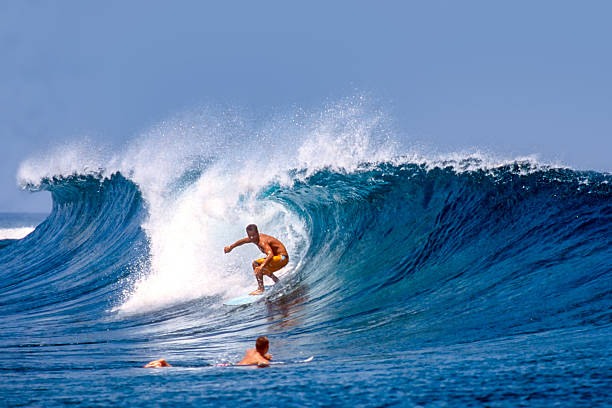
There’s a special stoke that comes from scoring a clean, peeling right on a foreign break, feeling the sun on your back and the salt in your hair, all while knowing your bank account didn’t take a beating. The dream of The Endless Summer is alive and well, but for most of us, the reality involves a tight budget, a beat-up board, and a whole lot of resourcefulness. The good news? You don’t need a hotel on the beach or a first-class ticket to chase the swell. With a little grit and a few salty tricks, you can travel the world’s best surf destinations without waxing your wallet into submission.
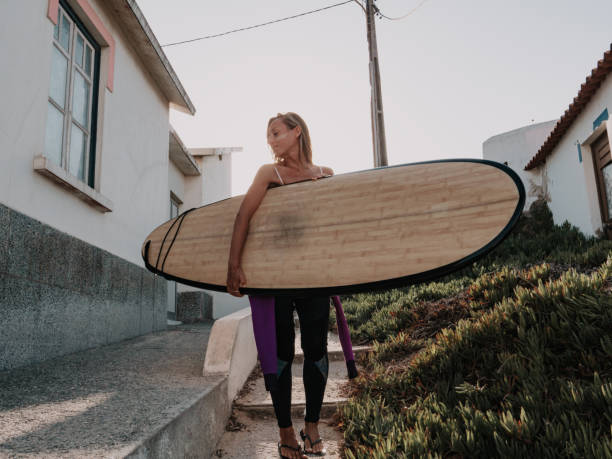
First things first: the board. That fiberglass stick is your ticket to the lineup, but hauling it around the planet can cost as much as a nice dinner for two. Forget the fancy travel bag with wheels and carbon-fiber reinforcement. Instead, grab a cheap padded board bag – the kind that looks like a burrito from last season – and use it as your suitcase. Stuff your t-shirts, board shorts, and a few pairs of sandals inside the bag, packed around the rails to cushion the ride. The airlines will charge you a sporting goods fee, sure, but you’ve just saved a checked baggage fee for a whole separate suitcase. If you’re flying a budget carrier like Ryanair or Jetstar, check the max dimensions ahead of time – some allow a single surfboard as a checked item, and if you wrap it in duct tape and a bit of bubble wrap, you might just sneak it through without a surcharge.
But here’s the secret that many seasoned surf bums know: don’t bring a board at all. Save the hassle and the risk of dings by buying a used or beat-up log at your destination. Every surf town has a secondhand rack at the local shape shop or a Facebook group where travelers offload boards for twenty bucks. A bit of foam and sun-rotted resin can still catch a mushy shoulder on a smaller day, and when you’re done, you can either trade it, donate it to a local grom, or leave it on the beach for the next wave-chaser. That’s the beauty of the budget mindset – you’re not attached to the gear; you’re attached to the ride.
Getting to the break is the next hurdle. Rental cars are a luxury, but a trusty surf truck is the stuff of legend. Instead of shelling out for a flashy SUV, look for a beat-up camper van or a simple sedan from a local private seller. Plenty of surfers live out of these rigs for months on end. Public transport works too – a longboard under your arm, a bus ticket, and a basic camping hammock can get you to remote points. In places like Costa Rica or Portugal, walk the road with your thumb out; other surfers often pick up a fellow wave-lover, and you might score a ride and a new friend who knows the secret sandbars.
Camping is the budget traveler’s best friend. Forget the high-season hostel with pool and air conditioning. Pitch a tent right behind the dunes or at a designated beach campground. You’ll wake to the sound of the ocean, make coffee on a camp stove, and be first in the water before the dawn patrol even kicks in. Many surf spots around the world have free or cheap camp spots – just ask the local shaper or the lady at the corner store. The key is to travel light: a small stove, a few freeze-dried meals, and a rain fly. And, of course, bring wax. Nothing kills the stoke faster than a board sliding off your sweet spot under a morning sun.
Meals on the cheap mean street food, markets, and cooking your own catches. In Indonesia, a bowl of nasi goreng costs a dollar; in Baja California, fish tacos are the fuel for an all-day session. Learn to bargain politely. Carry a reusable water bottle and a filter straw. When you’re not in the water, trade odd jobs for a bed or a board repair. Hostels are fine, but a little hustle goes a long way – washing dishes for a surf camp owner can get you a free cot and a hot shower.
The best part about budget surf travel is the freedom it gives you. You’re not tied to a schedule or a credit card limit. You can chase a low-pressure system across the coast, sleep under the stars, and paddle out at dawn with only the pelicans for company. That pure connection with the ocean – that’s what the whole game is about. The endless summer isn’t about how much you spend. It’s about the wave count, the laughter, and the stories you bring home in your salt-stained hair. So wax up, pack light, and go find your perfect wave. The lineup’s always free.