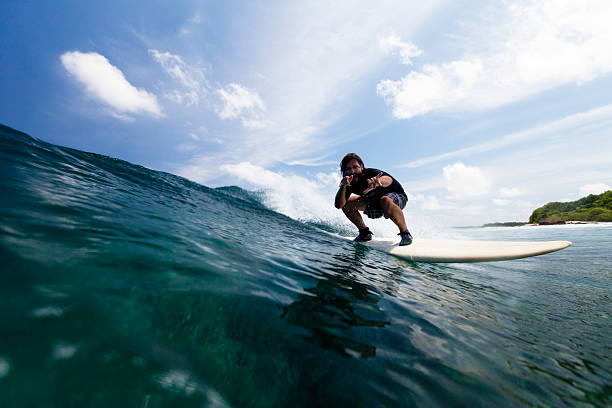
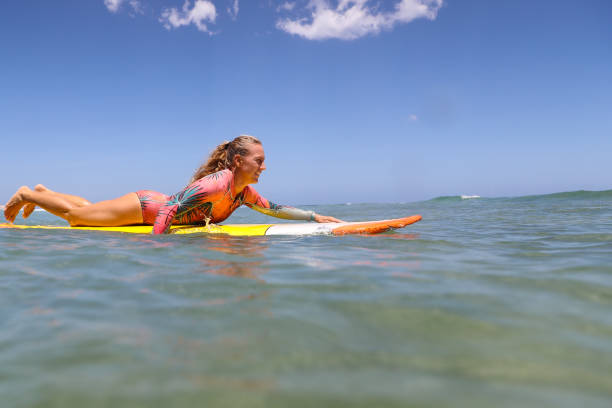
There’s a moment every surfer knows, that feeling when you paddle out at dawn and the offshore breeze is just right—clean, groomed lines marching in from the deep blue, the surface of the water looking like glass with a little texture. That, my friend, is what happens when you show up in the right season. Timing isn’t just about dodging crowds or finding warm water. It’s about catching the ocean at its best, when the swell windows open and the wind gods are smiling. You can have a world-class break in your backyard, but if you show up when the trades are howling onshore or the swell is flat, you’ll be staring at a lake. So let’s talk about the most important factor in planning any surf trip: understanding the rhythm of the seasons and the wind patterns that make or break a session.
The first thing you gotta wrap your head around is that the best time to visit a surf spot isn’t always the same as the peak tourist season. In fact, they’re often total opposites. Take Indonesia, for example. The dry season from April to October brings the southeast trade winds that wrap around the points and create those legendary, perfectly groomed barrels at places like Uluwatu and Padang Padang. The swells are pumping from the Indian Ocean, and the winds are offshore every morning. That’s the window. Show up in the wet season, and you’ll get onshore westerlies and sloppy, blown-out surf, even if the swell is big. It’s a classic case of wind trumping swell size. You can have ten-foot waves, but if the wind is shredding them into a white mess, you’re better off staying on the beach with a cold Bintang.
Now, flip over to the North Shore of Oahu. The winter months from November to February are the holy grail for big wave hunters. The north Pacific storms send long-period groundswells straight into the fabled Seven Mile Miracle, and the trade winds are often light or even offshore in the mornings. But here’s the catch: winter also brings the rain, the holiday crowds, and the occasional massive northwest swell that closes out every break for days. The real sweet spot? Late November through early December, before the Christmas madness, or late February into March, when the water is still warm and the crowds thin out a little but the swell is still consistent. You gotta read the ocean, not the calendar.
Down in Costa Rica, the story is all about the two seasons: the dry season from December to April and the green season from May to November. The dry season brings consistent trade winds from the Caribbean side, which means the Pacific coast gets glassy mornings and offshore afternoons. But the Caribbean coast? It gets hammered by those same trades, making it choppy and bumpy. Vice versa for the green season. The Pacific gets more rain and onshore winds, but the Caribbean side lights up with clean, fun waves when the trades back off. The best time to visit Costa Rica for surf really depends on which coast you’re paddling out on. You gotta pick your poison and your point break accordingly.
Don’t even get me started on the Mediterranean or places like France and Portugal. The summer months are flat and crowded with tourists who just want to bob in the shallows. The real season kicks off in autumn, when the first Atlantic lows start spinning up, sending solid swell into the Bay of Biscay. September through November is prime time for places like Hossegor and Ericeira—pumping swell, warm water, and the offshore winds are often aligned with the early morning high pressure. But you roll up in July, and you’ll be doing the walk of shame with your board under your arm, staring at ankle-high dribble.
So how do you figure out the magic window for any given spot? Start with the swell window. Know where the storms are born and how the bathymetry directs that energy into your break. Then layer in the wind patterns. Offshores are your friend, but they don’t last all day. Most spots have a morning window before the sea breeze kicks up. Use that knowledge to plan your dawn patrols. And don’t ignore the tides. Some breaks only work on a low tide, others need a push of water. The best time to visit isn’t just a month on a calendar; it’s a specific combination of swell direction, wind speed, tide, and light.
Ultimately, chasing the endless summer is about being flexible and doing your homework. The ocean doesn’t care about your vacation plans. But if you sync up with its cycles, you’ll find yourself in the right place at the right time, stroking into a clean, green wall that seems to peel forever. That’s the payoff for understanding the seasons—a session you’ll talk about for years. So grab your log, check the charts, and pick your window wisely. The waves are waiting.