All Articles

Live Surf Cams

Surfline Live is a 24/7 glimpse into the world’s surf.

This stream moves through Surfline’s global camera network, showing spots where it’s daylight and rated Fair or better.

What’s The Deal With…?

Surf Technique Deep Dive

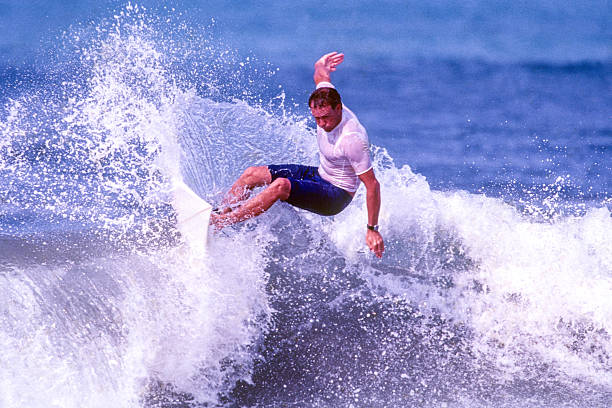
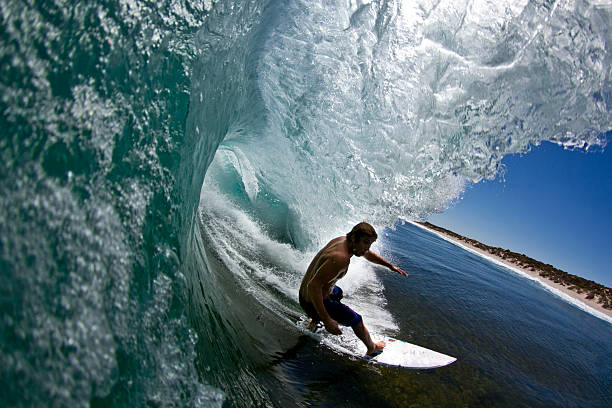
Focus on your compression and extension. Really sink low as you approach the bottom, coiling your body. Then, explode upwards and into the turn, driving off that back leg. It’s not just a lean; it’s a full-body push. Engage your core and shoulders, following your head and eyes. Practice on smaller, forgiving days to build the muscle memory. Stronger legs and core from land training help massively, too. Power comes from the push.

Totally different maneuvers! A floater is a wave-top move where you ride along the crumbling lip, staying in contact with the water. An aerial means you’re fully airborne, with the wave lip below you. Grabs—like an Indy or Slob—are things you do during an air to control your board and add style. You might grab rail to stabilize your rotation or tweak it out for extra points. Grabs are the punctuation on your aerial sentence.

His legacy is about soul and style. Sure, he’s a world champ, but his true impact is showing that surfing is about more than scores. It’s about courage in the tube, innovation in board design, and integrity in life. Through his brand, his book, and his words, he teaches that the lessons learned in the lineup—respect, commitment, resilience—apply everywhere. He’s a true ambassador, keeping the stoke and core values of surfing alive for everyone who paddles out.

Surf Icons & Heroes

Big time! She runs the Layne Beachley Foundation, focusing on empowering young women through education and surf mentorship. She’s a huge voice for “Aim for the Stars,“ helping girls achieve their dreams. She’s also a passionate ambassador for ocean conservation and mental health awareness, often speaking openly about her own challenges. For her, giving back is part of the soul of surfing—using her platform to create positive ripples far beyond the lineup.

Not really better, but each stance can offer a different perspective on the wave. Goofy-footers might find it easier to set up for a right-hander (a wave breaking to the right), as they’re facing the open face. Regular-footers have the advantage on lefts. For airs and tricks, it’s more about personal style and practice. Some spots might feel more natural for one stance on the take-off, but a good surfer learns to rip on both their frontside and backside, regardless of their natural footing.

Start simple and tough. A used GoPro in a housing is great for in-the-water practice. On land, a DSLR or mirrorless camera with a telephoto lens (like a 70-200mm) lets you shoot from the cliff or beach. Don’t blow your budget on pro gear immediately. Focus on learning to track a surfer and nail your focus. A decent, sand-resistant bag to carry your kit is just as important as the camera itself.