
All Articles

Live Surf Cams

Surfline Live is a 24/7 glimpse into the world’s surf.

This stream moves through Surfline’s global camera network, showing spots where it’s daylight and rated Fair or better.

What’s The Deal With…?

Surf Technique Deep Dive

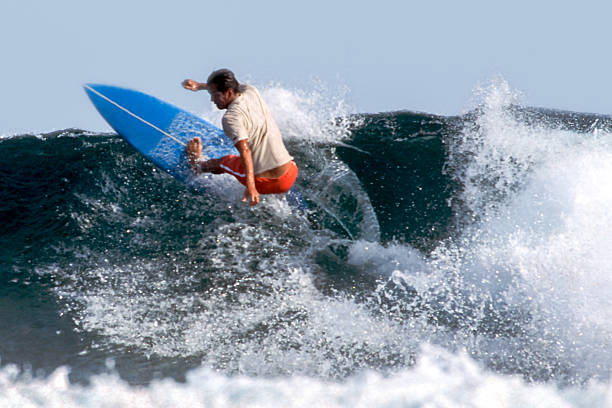
Sliding out, or “blowing the fins,“ usually means you’re landing tail-first or with your board sideways. You need to land with your weight centered and the board pointed down the line, ideally with the fins re-engaging in the wave’s face. Try to spot your landing early and guide the board underneath you. It’s a delicate balance between committing forward and not over-rotating. A little wax and faith go a long way!

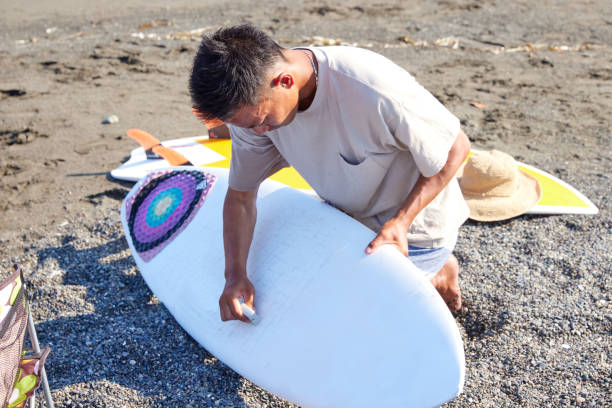
There’s no strict schedule, it’s all about feel. If your feet are slipping during a bottom turn or pop-up, that’s nature’s way of saying “more wax, dude!“ A fresh topcoat every few surfs keeps it grippy. Also, give it a full scrape and re-do when the old wax gets dirty, thick, or melts into a funky mess. Listen to your board and your feet—they’ll tell you when it’s time.

Learn the basics: swell height, period, and direction. A long-period swell (14+ seconds) has more power and wraps better. Check the wind direction and tide charts—some spots only work on a low tide, others on a high. Look at the bathymetry (sea floor shape) on a map. Most importantly, find local forecast notes or webcams. It’s a blend of science and local knowledge. With time, you’ll learn to predict how a swell will actually hit that secret point.

Surf Culture & Community

It’s your passport to the tribe, dude! Using the right terms shows you speak the language and understand the nuances. Calling a wave “pitching” vs. “mushy” says you know what you’re looking at. A simple “inside section is bowling!“ creates instant camaraderie. It’s not about being cool; it’s about clear communication in the lineup and showing respect for the culture. It helps you read situations better and connect with other surfers on a deeper level.

Not even close, dude! While they’re the heart of classic longboarding, PU/PE construction is still the standard for high-performance shortboards. Many pros stick with it because that specific foam and resin combo offers a unique flex pattern and a certain “live” feel underfoot that many say drives harder through turns. It’s a preference thing. If you want that proven, springy drive from your bottom turns and critical snaps, a well-shaped PU board is often the weapon of choice.

Start with a clean deck, free of old gunk. For a fresh board, lay down a solid basecoat in small circles; this is your foundation. Then, for your session, apply a topcoat of the right temp wax using those classic side-to-side strokes. Don’t go too smooth—you want those grippy bumps, known as wax bumps or peaks. Focus on where your feet go: near the tail and up the center. No need to slather the whole thing, just create texture for your toes to lock into.