

All Articles

Live Surf Cams

Surfline Live is a 24/7 glimpse into the world’s surf.

This stream moves through Surfline’s global camera network, showing spots where it’s daylight and rated Fair or better.

What’s The Deal With…?

Mastering the Waves

Mushy waves lack power and steepness. They break slowly and crumble weakly, often due to a deep, sandy bottom or an onshore wind. They’re perfect for beginners or longboarders because they’re forgiving and offer a longer, more mellow ride for practicing turns. You won’t get barreled, but you can work on style and flow. Think of them as the gentle, rolling hills of the surfing world—not thrilling, but super fun for cruising and perfecting your cross-stepping.

Communication is key. Agree on a specific, easy-to-spot meeting spot on the beach. More experienced surfers can take turns watching the groms from the shore. Consider splitting up for a session—one parent hits the lineup while the other helps the kids in the whitewater. Everyone should know their limits and respect the ocean. Sometimes, the best session is just bodysurfing together in the shore break.

For a deep dive, you gotta start with The Endless Summer—it’s the ultimate classic chase. To see real charging, Riding Giants charts the birth of big wave surfing. For pure soul and innovation, Sprout and The Lost Wave showcase different eras. These films aren’t just about moves; they capture the spirit, the pioneers, and the global stoke that shaped our culture. Pop some corn, watch how the legends found lines, and you’ll feel that saltwater itch to paddle out.

Surf News & Updates

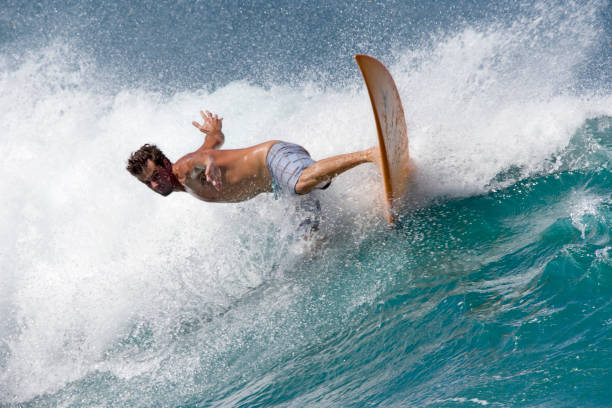
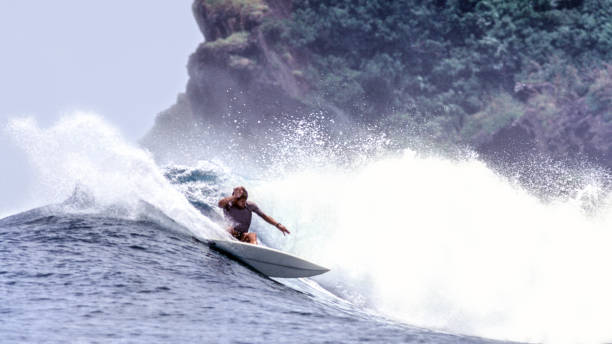
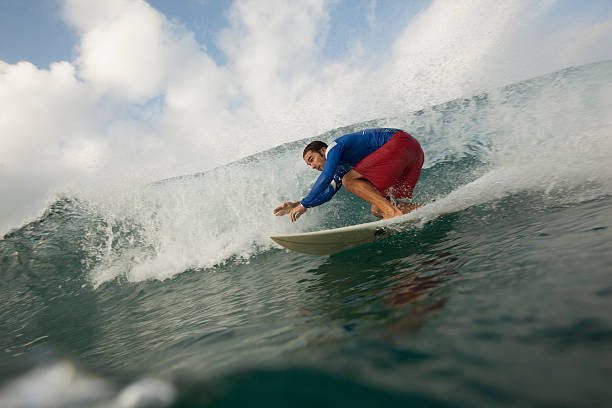
It starts from the ground up—literally. Drive your turns from your back foot and engage your core to connect your upper and lower body. Watch the greats: they project their energy down the line. Don’t just wiggle; commit to each turn with intention. It’s about using the wave’s energy, not just your own. Powerful surfing looks effortless because every movement is connected.

For the most consistent juice, aim for autumn through early spring. That’s when the North Atlantic low-pressure systems really fire, delivering solid groundswells and those epic, glassy days after a big blow. Summer can be fun for beginners with smaller, more manageable waves, especially on the protected beaches. But if you’re hunting overhead power and empty lineups, the winter months deliver. Just be ready for shorter days, colder temps, and the potential for truly legendary sessions when the charts light up.

It’s not strictly “better,“ just different! Epoxy boards (EPS foam with epoxy resin) are lighter, stronger, and more buoyant—great for smaller waves or lighter riders. Traditional PU/PE boards (polyurethane foam with polyester resin) have a more familiar, flexier feel that many pros prefer for powerful surf; they can feel more “alive” underfoot. Epoxy is durable for travel, while PU can be easier to repair. It’s a personal preference thing, like choosing your favorite wax scent.