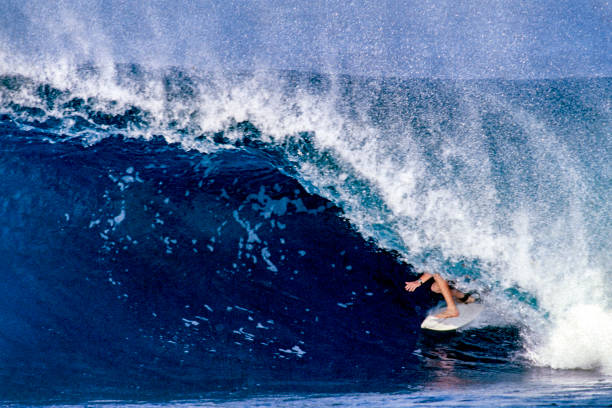
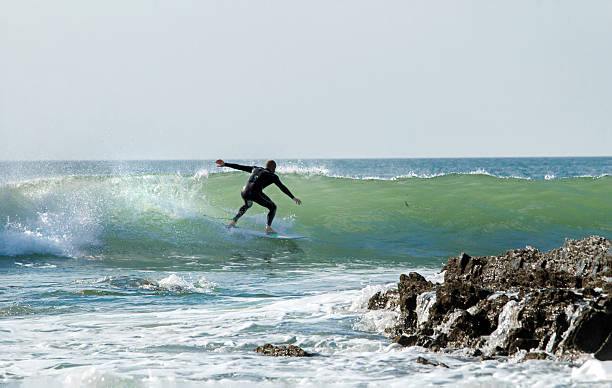
There’s a moment in every contest that separates the thinkers from the feelers. It usually comes right after the siren blasts, when the lineup empties and two surfers paddle out into the kind of silence that only pressure can create. The ocean doesn’t know there’s a heat running. The sets roll through on their own schedule, indifferent to the scores on the beach. But the surfers know. Their shoulders tighten, their breathing shifts, and suddenly every wave that wobbles past feels like a judgment call from the universe itself. This is the thrill of competition, and it runs deeper than most landlocked folks ever understand.
For the uninitiated, surf contests might look like chaos choreographed by indecision. A bunch of guys in identical jerseys scratching for position, dropping in on each other, paddling circles in the same takeoff zone. But beneath that surface noise, there’s a whole language being spoken. Priority is the currency. Wave selection is the gamble. And the difference between a 6.0 and a 7.5 can come down to whether you timed that bottom turn with the lip or let it run a little longer before you drew your line. The judges aren’t just watching. They’re feeling. They’re looking for flow, for commitment, for that moment when a surfer stops thinking and starts surfing.
That’s the paradox at the heart of competitive surfing. You can’t win by thinking too hard, but you can’t win without a strategy either. The best competitors are the ones who somehow ditch their training, forget the heat clock, and just surf like nobody’s watching. But they also know exactly how deep the water is under that rock shelf and which direction the swell bends around the point. It’s a dance between instinct and intellect, and when it clicks, it looks like a free surfer who accidentally scored higher than everyone else.
Some surfers swear contests ruin the soul of surfing. They point to the jerseys, the flags, the corporate sponsorships, and the way a perfectly good wave gets sliced up into two-minute segments for television. There’s truth in that critique. The ocean doesn’t belong on a scorecard. The best wave of your life might be one that never got ridden because you were in the wrong spot at the wrong time. And there’s something deeply unnatural about being told when to paddle out and when to come in. The ocean has its own clock, and contests force you to dance to a different rhythm.
But here’s the thing the critics miss. Contests push surfing forward. They force innovation. When someone lands an air reverse in a heat, it changes what’s possible for everyone who watches. When a young grom from a landlocked country charges a wave they have no business riding, it expands the whole tribe. Competition brings focus. It brings intensity. And for surfers who grew up with nothing but a beaten board and a dream, contests offer a ladder that the ocean alone cannot provide. They create communities, scouting networks, and the kind of shared experience that bonds strangers from opposite sides of the world.
The real beauty of surf contests is not the trophies. It’s the shared stoke. It’s watching two friends battle it out in the final and still trade high fives on the sand. It’s the older local who drops in on a former world champ just to remind him that this stretch of reef still belongs to the people who live here. It’s the kid who falls on every wave but paddles back out with the same grin. The thrill of competition is not about beating someone else. It’s about pushing yourself to the edge and seeing who you become when the pressure hits.
That’s what the endless summer is really about, after all. Not the perfect wave, but the perfect moment. The one where everything aligns and you forget about scores and jerseys and prize money and just feel the pure, unstoppable joy of being alive in the water. Contests are just one way to find that moment, and they work because they strip away all the distractions and leave you with nothing but your board, your breath, and the wave. It’s the same thrill that has drawn surfers to the ocean since the first Polynesian paddled out on a plank. It’s the heart of the sport, beating steady through every heat and every wipeout, wave after wave after wave.